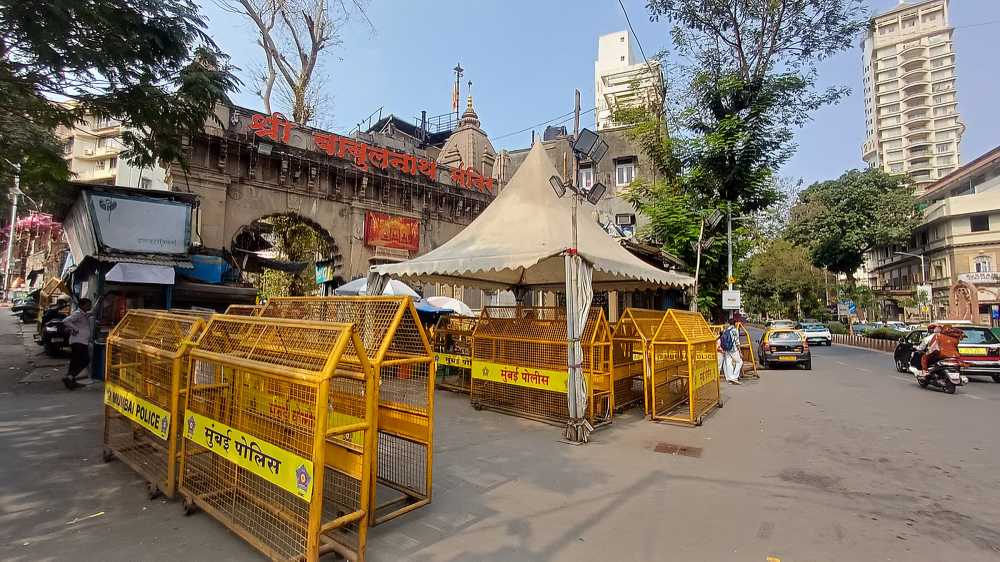
January 16, 2026: Thane’s housing market in 2026 no longer fits the description of a single, affordable extension of Mumbai. Instead, it functions as a city with multiple pricing layers, where values are shaped by micro-market conditions rather than overall averages. Rates vary sharply based on location, supply dynamics, planning quality and buyer profile, making a uniform city-wide benchmark ineffective.
Pricing in Thane broadly follows two parallel segments: new or under-construction projects and resale or ready-possession homes. New launches are typically quoted on carpet-area base selling prices with additional charges, while resale deals are often discussed in built-up terms and adjusted to carpet-equivalent levels for comparison. As a result, prices tend to move within ranges rather than fixed numbers, influenced by factors such as project quality, floor level, view, parking, payment structure and inventory pressure.
Core neighbourhoods such as Panchpakhadi and Naupada continue to command higher rates due to limited supply and strong end-user demand. Lifestyle-focused belts like Hiranandani Estate, Manpada and the Pokhran Road corridor attract buyers willing to pay for integrated planning, internal infrastructure and liveability. Central growth areas including Kapurbawdi, Majiwada, Kolshet and Balkum remain upgrade-driven markets where new supply sets benchmarks. Value-led corridors such as Ghodbunder Road, Kasarvadavali, Kalwa and the Thane–Dombivli Link Road cater to buyers focused on ticket size and affordability, with pricing varying widely by project.
Resale markets show a similar hierarchy, with liquidity strongest in core zones and negotiation levels higher where supply is abundant. Premium developments by established developers typically sit at the upper end of price bands, reflecting brand positioning, product differentiation and tighter discounting practices.
Underlying price movements are driven by measurement standards, local supply constraints, society quality, usable connectivity and redevelopment potential in older pockets. In 2026, Thane operates as a collection of distinct micro-markets, each governed by different buyer logic and risk considerations. For homebuyers and investors, understanding these layers has become essential to making informed decisions.