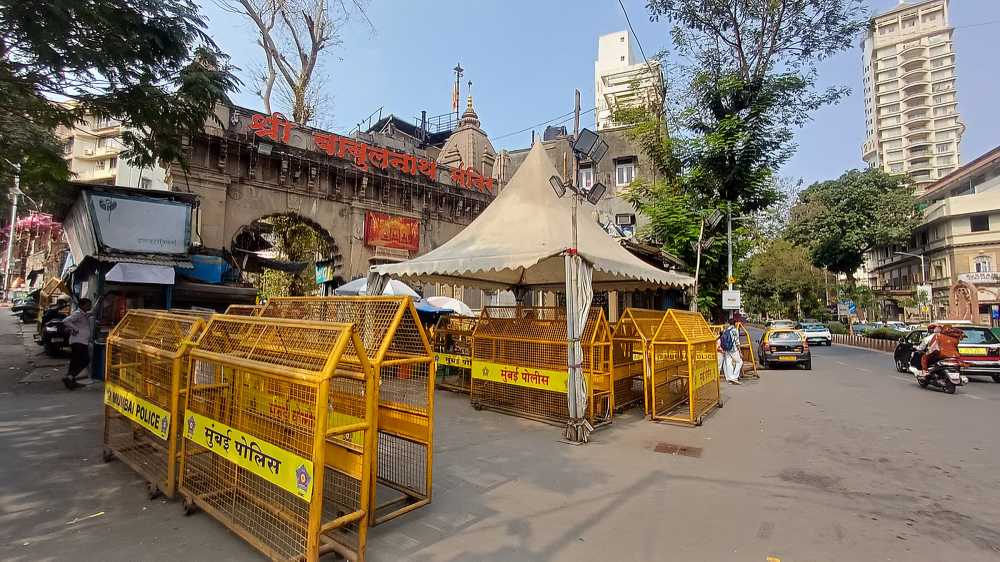
January 17, 2026: Mumbai’s central-eastern neighbourhood of Wadala is drawing renewed institutional attention following the formal entry of a major legacy-backed developer, signalling a shift in the area’s role within the city’s real estate landscape. Once known primarily as an industrial precinct, Wadala is increasingly being viewed as a strategic urban node, supported by expanding transport infrastructure and changing residential preferences.
Urban planners say Wadala’s growing appeal stems more from its location than from market branding. Situated between South Mumbai, the eastern suburbs and Navi Mumbai, the locality lies at the convergence of several large infrastructure projects. Operational metro lines, upgraded arterial roads, the Eastern Freeway and the Mumbai Trans Harbour Link have together shortened commute times and reshaped mobility patterns. This enhanced connectivity has made access to multiple employment hubs possible without reliance on a single transport corridor, an attribute that is gaining importance among both households and employers.
The entry of a large, vertically integrated real estate arm supported by a century-old industrial group reflects rising confidence in Wadala’s long-term potential. Industry observers note that such developers typically focus on areas where infrastructure preparedness, regulatory clarity and market depth align. Their presence often acts as a catalyst for wider neighbourhood upgrades, including better public amenities, organised retail development and improved civic services.
Mumbai’s housing supply has traditionally been concentrated along coastal and western corridors, contributing to steep price differentials and pressure on infrastructure. Wadala’s emergence points to a gradual redistribution of residential demand toward centrally located brownfield sites. Analysts tracking the city’s development pipeline suggest that such areas can accommodate growth while limiting outward sprawl.
Urban economists add that thoughtfully planned, higher-density housing in Wadala could help broaden access to central-city living for middle and upper-middle income households, easing strain on premium coastal zones. However, planners stress that sustained progress will depend on coordination between private investment and public agencies. Strengthening drainage systems, expanding social infrastructure and improving pedestrian networks will be critical to ensuring that rising land values translate into genuine liveability gains.
For residents, Wadala’s transformation promises shorter commutes and better access to job centres. For Mumbai, it represents a test case for compact, transit-oriented development within the island city, with potential lessons for similar precincts across the metropolitan region.
Source: Urban Acres