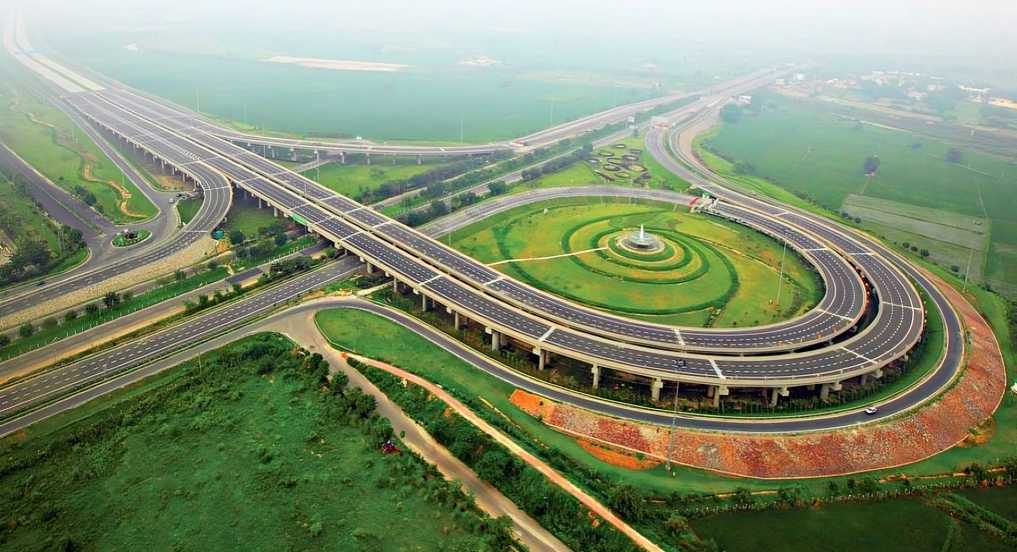

January 23, 2026: Toll charges on key sections of the Delhi–Mumbai Expressway have been reduced significantly, marking a shift in how partially operational national highways are priced. The revised rates, cleared by central authorities, apply mainly to stretches that are still under construction or widening, and are aimed at easing the cost burden on motorists while works continue.
Under the new structure, tolls on select segments have been cut by as much as 50 percent. Earlier, users were paying close to three-fifths of full toll rates despite diversions and restricted carriageways. These charges have now been aligned closer to one-third of standard rates, reflecting the lower service levels currently available. The move departs from conventional tolling practices, where near-full rates are often levied even before highways are fully functional.
The impact is expected to be most pronounced for freight and logistics operators, who account for a large share of traffic on the corridor. The Delhi–Mumbai Expressway is designed as a high-speed economic spine linking industrial zones, agricultural markets, ports and consumption centres across Delhi, Rajasthan, Gujarat, Madhya Pradesh and Maharashtra. Even modest per-trip savings can lead to meaningful reductions in logistics costs when multiplied across thousands of daily vehicle movements.
Transport economists point out that toll pricing plays a key role in shaping traffic behaviour. Lower charges on partially open expressway stretches could encourage vehicles to shift away from older highways and congested urban roads, helping distribute traffic more evenly. This may reduce fuel wastage, emissions and pressure on city infrastructure, linking highway pricing decisions to broader environmental outcomes.
The revised toll regime also has implications beyond transport. More affordable access can strengthen the case for logistics parks, industrial estates and satellite townships planned along the corridor, as developers factor recurring travel costs into investment decisions.
Officials have indicated that the reduced tolls are temporary and will be reviewed as construction progresses. This suggests a move towards more dynamic pricing, where user charges evolve in line with infrastructure quality. As India expands its expressway network, the Delhi–Mumbai corridor’s toll adjustment could emerge as a reference point for balancing user relief with long-term financial sustainability.