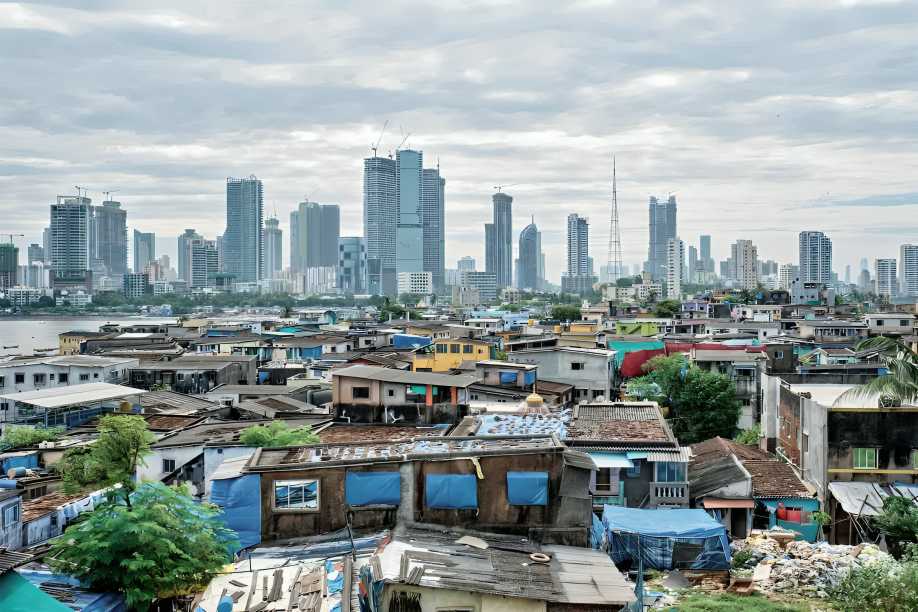

Mumbai’s redevelopment story has moved decisively beyond being a market-driven choice and entered the realm of urban necessity. The tone was set clearly at the Mumbai Redevelopment Summit, where the welcome address underlined a stark reality: the city’s housing stock is ageing at a pace far quicker than the systems meant to replace or renew it. With land availability severely constrained, redevelopment has emerged as the most viable, and in many cases the only, option to improve living conditions and sustain the city’s growth.
A large share of Mumbai’s buildings are more than three decades old, with many structures far exceeding that age. These ageing buildings now sit at a critical crossroads where structural safety, infrastructure capacity, housing affordability and governance all collide. What was once a real estate opportunity has become a question of public safety and urban resilience. Yet, despite consistent policy tweaks and strong demand from both residents and developers, redevelopment progress remains uneven and slow. This contradiction of strong intent but limited execution dominated the conversations at the summit.
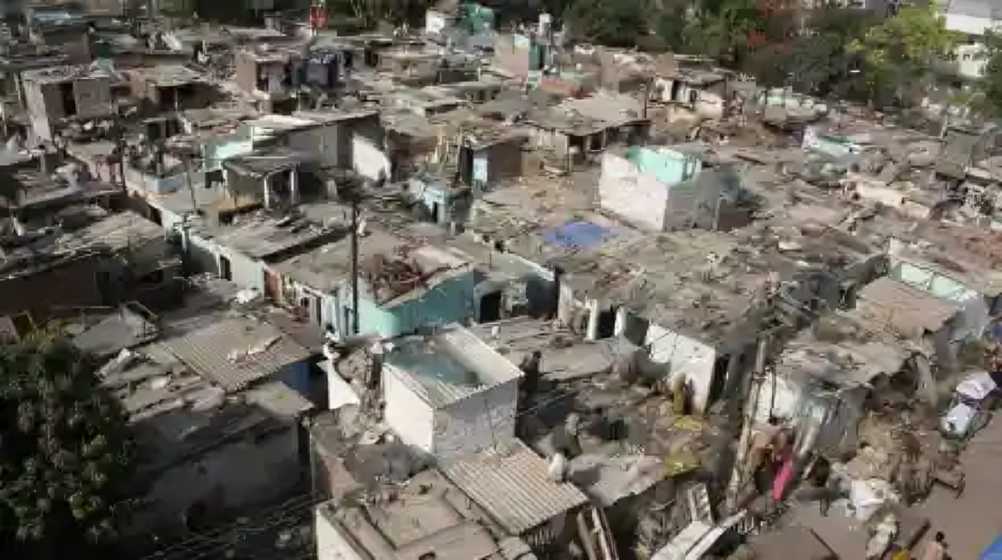
At the heart of the challenge lies scale. Redevelopment in Mumbai is not about isolated projects but about renewing entire neighbourhoods that were built for a very different era. Older buildings often lack adequate fire safety, structural strength, parking, sanitation and open spaces. As infrastructure networks age alongside these structures, the risks multiply. Redevelopment, therefore, is no longer only about creating new homes; it is about rebuilding urban systems in a dense, already saturated city.
Policy frameworks have evolved over the years to encourage redevelopment, including incentives such as higher floor space index, fungible FSI and relaxed norms for cluster redevelopment. However, implementation has struggled to keep pace. Consent requirements, legal disputes among residents, financial viability concerns and prolonged approval processes continue to delay projects. In many cases, societies agree in principle but remain stuck in negotiations for years, leaving residents trapped in unsafe buildings with no clear timeline for renewal.
Affordability has also emerged as a critical concern. While redevelopment promises newer, safer homes, it often results in higher maintenance costs and increased pressure on surrounding infrastructure. Balancing the need for modern construction with the realities of middle- and lower-income residents remains a delicate task. Without careful planning, redevelopment risks becoming exclusionary rather than restorative.
Another recurring theme at the summit was governance. Redevelopment requires coordination between multiple agencies, including municipal authorities, planning bodies, utilities and state departments. Fragmented decision-making and overlapping jurisdictions slow down execution and create uncertainty for both residents and developers. Speakers highlighted the need for clearer accountability, faster approvals and predictable timelines to unlock stalled projects.
Despite these challenges, there was consensus that redevelopment is unavoidable. Greenfield development within Mumbai is virtually impossible, and urban decay poses growing risks. The focus, therefore, must shift from piecemeal projects to area-based and cluster-led approaches that can upgrade infrastructure alongside housing. Integrated planning, transparent communication with residents and stronger institutional capacity were repeatedly cited as essential to moving from intent to impact.
Mumbai’s redevelopment journey is no longer optional or aspirational. It is an urban compulsion driven by safety, density and the limits of land. The discussions at the summit made one thing clear: the question is no longer whether Mumbai must redevelop, but how quickly and effectively it can do so without leaving large sections of its population behind.
Source: Construction World