The Union Budget 2026 has struck a careful balance between continuity and forward-looking reforms, with infrastructure emerging as a central pillar of India’s growth strategy, according to Challa Sreenivasulu Setty, Chairman of State Bank of India. He said the budget lays the groundwork for positioning India as a global hub for innovation and advanced manufacturing, while maintaining policy stability and predictability.
As reported by news agency IANS, Setty noted that the budget manages to balance competing priorities across rural and urban India, as well as between traditional sectors and emerging areas of growth. This calibrated approach, he said, is crucial at a time when India is navigating rapid structural change while seeking to preserve macroeconomic stability.
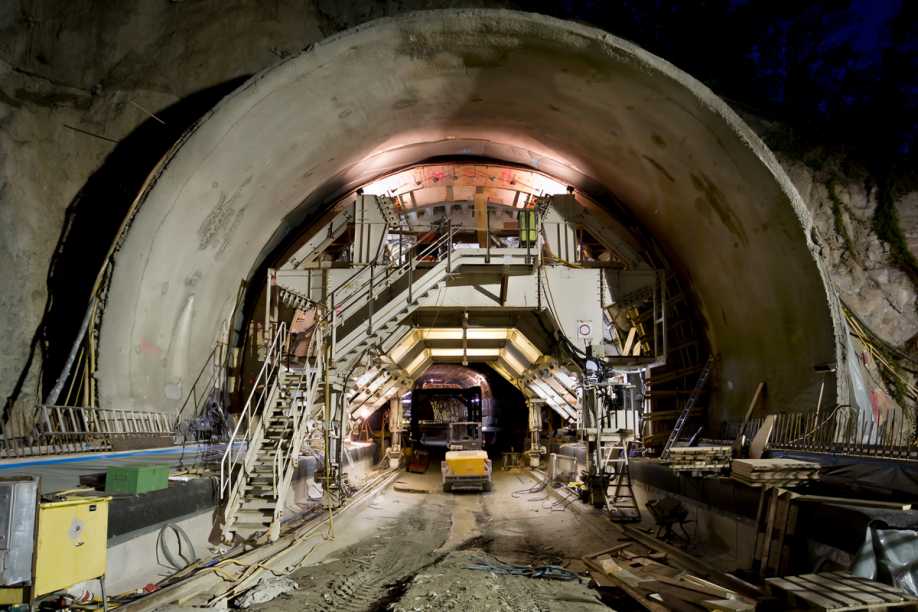
Commenting on the overall framework, the SBI chairman emphasised the continued importance of infrastructure as a key growth driver. “This year’s budget has both predictable and futuristic elements. The predictable part is the basic structure, which remains focused on emerging and employment-generating sectors. The infrastructure sector continues to be an anchor, with an increase in proposed investments,” he said, as cited by IANS. According to him, sustained public investment in infrastructure will play a crucial role in attracting private capital and supporting long-term economic growth.
Setty also pointed out that the budget offers multiple positives for the banking and financial services sector. He said it recognises the need to reinvent banking in a fast-evolving economic and technological environment, while ensuring that financial markets remain orderly and stable. Aligning the financial system with India’s next phase of growth, he added, remains an imperative for the sector.
From a fiscal standpoint, the SBI chairman described the assumptions underpinning the budget as prudent. “Starting with basic fiscal calculations, the budgetary allocations are based on the assumption of nominal GDP growth of 10 per cent, which appears prudent given the way inflation is panning out. This translates into a fiscal deficit estimated at 4.3 per cent of GDP,” Setty said. He noted that this balance between growth support and fiscal discipline would be closely watched by investors.
The budget’s futuristic orientation is reflected in its thrust on sunrise sectors, with announcements covering areas such as semiconductors, data centres, carbon capture utilisation and storage, and critical minerals. These sectors, Setty observed, are closely linked to India’s infrastructure and manufacturing ambitions and are essential for building global competitiveness.
On the rural and agricultural front, he said the budget has introduced notable shifts towards higher-value activities. “The focus will now be on high-value products such as sandalwood, cashews and fisheries through the integrated development of 500 reservoirs, a coconut promotion scheme to increase production, rejuvenating old, low-yielding orchards and expanding high-density cultivation of walnuts, almonds and pine nuts,” he added, as per IANS. The growing use of artificial intelligence in agriculture, including the integration of Agri Stack portals, was also highlighted as a major boost.
Setty further underlined the budget’s emphasis on services such as tourism, the orange economy and education, calling it complementary to infrastructure expansion, improved connectivity and digital capital expenditure. He said the proposed High-Powered ‘Education to Employment and Enterprise’ Standing Committee would reinforce the role of services in achieving the vision of Viksit Bharat.
On financing, he welcomed the proposal to set up an Infrastructure Risk Guarantee Fund. “On the financing side, to further strengthen the confidence of private developers, an Infrastructure Risk Guarantee Fund will be set up to provide prudently calibrated partial credit guarantees to lenders,” he said, as cited by IANS. He also noted that the budget acknowledges rapid urbanisation, with plans to map city economic regions and allocate Rs 5,000 crore per region over five years to support targeted development.
Source: Mid-day