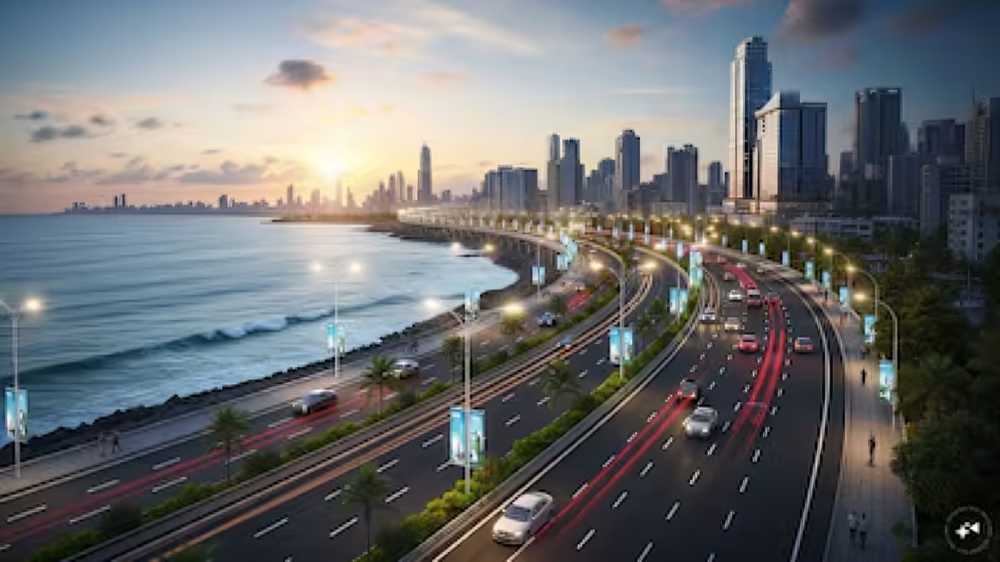

Mumbai’s ambitious coastal road network is expanding northwards, with the Versova–Bhayandar Coastal Road emerging as a transformative infrastructure project for the city’s western suburbs. The north phase of the project, work on which began in January 2026, is expected to dramatically cut travel time between Versova and Mira–Bhayandar, reducing a journey that currently takes nearly two hours to under 20 minutes once fully operational.
Spanning 26.32 kilometres, this stretch forms a crucial extension of the larger Mumbai Coastal Road project. It is designed to create a seamless, signal-free corridor from South Mumbai to the city’s northern limits. The new phase will connect the under-construction Bandra–Versova Sea Link at its southern end with the proposed Uttan–Virar Sea Link in the north, effectively stitching together Mumbai’s western coastline into a continuous high-speed arterial route. The project is targeted for completion by December 2028.
A defining feature of the Versova–Bhayandar Coastal Road is the inclusion of multiple, strategically located interchanges aimed at balancing long-distance through traffic with local accessibility. The Versova Interchange will provide links to the Versova–Madh Bridge and the southbound sea link, enabling smooth integration with existing coastal infrastructure. Further north, the Mindspace Interchange in Malad will be a complex multi-level structure designed to connect directly with the Goregaon–Mulund Link Road, significantly improving east–west connectivity across the city.
The Charkop Interchange will cater to traffic from Kandivali and Gorai, offering residents of these densely populated suburbs direct access to the coastal corridor. At the northern end, the Dahisar–Bhayandar Interchange will serve as the project’s terminus, eventually connecting with the proposed Uttan–Virar Sea Link and extending the benefits of coastal connectivity deeper into the Mumbai Metropolitan Region.
In terms of network integration, the southern end of the project will tie into the Bandra–Versova Savarkar Sea Link, which is currently under construction. The northern end will link to the Mumbai–Ahmedabad Highway via the Mira–Bhayandar corridor, strengthening regional connectivity and easing pressure on existing arterial roads such as the Western Express Highway.
From an implementation standpoint, the project crossed a key milestone on January 20, 2026, when the Brihanmumbai Municipal Corporation received the final working permit from the Maharashtra Mangrove Cell. While construction activities in non-Coastal Regulation Zone areas—such as pier works in Goregaon and Dindoshi—had already commenced, this clearance enables full-scale execution in CRZ areas, which account for a significant portion of the alignment. The Bombay High Court had granted essential approvals in late December 2025, resolving legal challenges related to environmental concerns.
Environment management forms a significant component of the project. Construction will require the removal of approximately 45,673 mangroves. As part of the mitigation strategy, authorities have identified land parcels in Palghar district for large-scale mangrove afforestation and restoration to offset the ecological impact.
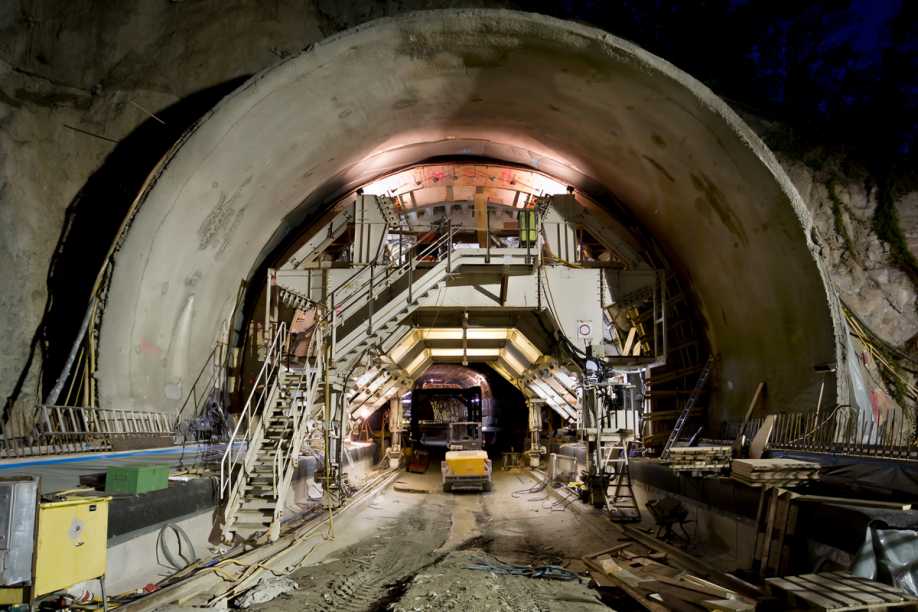
The project is being executed through seven construction packages running simultaneously and involves technically complex tasks such as the relocation of high-tension power lines. Once completed, the Versova–Bhayandar Coastal Road is expected to reshape daily commuting patterns, improve regional mobility, and add a critical new layer to Mumbai’s evolving transport infrastructure.
Source: News18