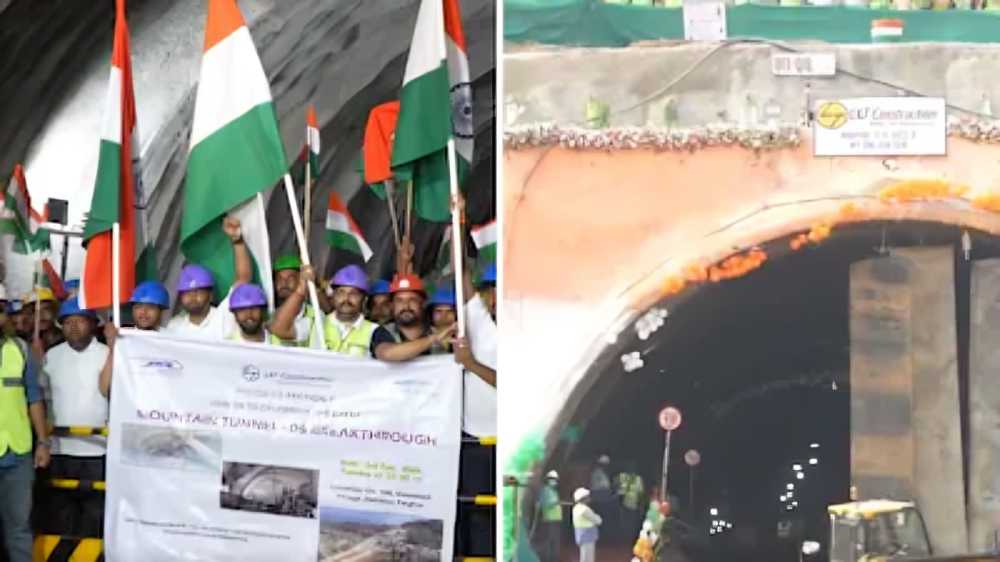

The Mumbai–Ahmedabad High-Speed Rail project has achieved another significant construction milestone with the successful breakthrough of a key mountain tunnel in Maharashtra’s Palghar district. The development marks the second such breakthrough in the region within a month, reflecting accelerating progress on India’s first bullet train corridor.
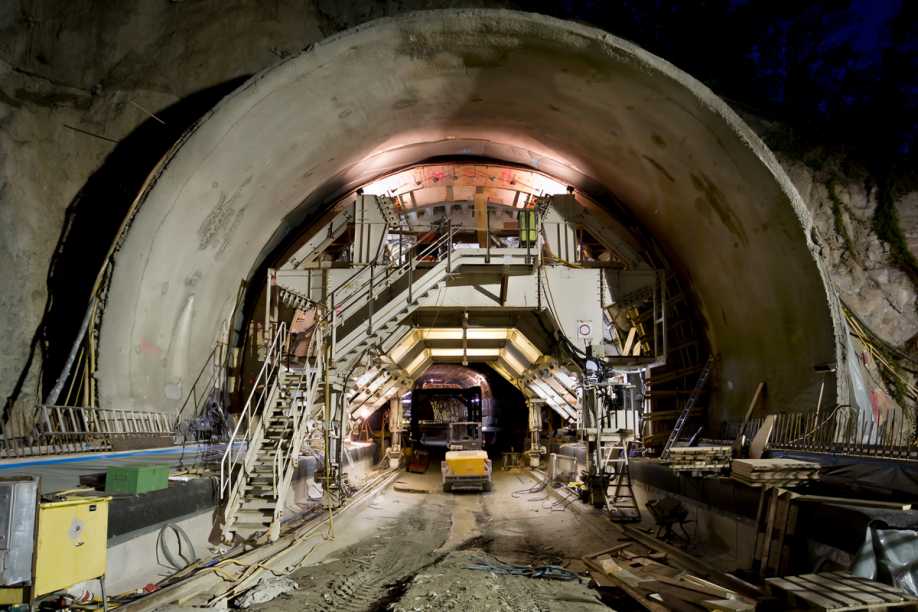
The latest breakthrough occurred at the MT-6 tunnel near Saphale village and was witnessed virtually by Railway Minister Ashwini Vaishnaw from New Delhi through a video link. The tunnel, measuring 454 metres in length and 14.4 metres in width, is designed to accommodate both the up and down tracks of the high-speed rail corridor, officials said.
This achievement follows the earlier completion of the MT-5 tunnel near Saphale on January 2, signalling steady advancement in tunnelling works in the Palghar stretch. The region is considered one of the technically demanding sections of the corridor due to its complex geological conditions and hilly terrain.
The MT-6 tunnel was excavated using the New Austrian Tunnelling Method (NATM), a specialised technique involving controlled drilling and blasting that allows engineers to safely navigate unstable rock formations. Officials said the excavation work was completed within a 12-month timeline, highlighting improvements in project execution and coordination across engineering teams.
The Mumbai–Ahmedabad High-Speed Rail corridor spans 508 kilometres and connects major economic centres across Maharashtra, Gujarat, and the Union Territory of Dadra and Nagar Haveli. Designed to operate trains at speeds of up to 320 kmph, the project is expected to transform intercity travel by drastically reducing journey times between Mumbai and Ahmedabad while strengthening economic integration across western India.
Tunnelling work forms a critical component of the project, particularly in Maharashtra, where terrain and urban density require extensive underground infrastructure. According to officials, construction of seven bullet train tunnels is currently underway in the Palghar district, with excavation and allied works progressing at different stages. The successful completion of consecutive tunnel breakthroughs is expected to help maintain momentum and reduce execution risks for subsequent phases.
Beyond tunnelling, work on the high-speed rail corridor is advancing simultaneously across multiple infrastructure segments in Maharashtra. Construction of major river bridges over the Vaitarna, Ulhas and Jagani rivers is progressing, along with the development of station buildings and highway crossings. One of the most technically challenging elements of the project is the 21-kilometre underground tunnel between the Bandra-Kurla Complex in Mumbai and Shilphata, which will form a crucial urban access link for the corridor.
Project authorities reported that as of January 27, construction progress includes the completion of approximately 334 kilometres of viaduct structures, 17 river bridges and 12 major crossings over national highways, railway lines and other infrastructure corridors. Meanwhile, track laying and electrification activities have gained momentum in the Gujarat section, where several civil works have already been completed.
The Mumbai–Ahmedabad bullet train project is widely regarded as a flagship initiative aimed at introducing high-speed rail technology to India while improving long-distance mobility and economic connectivity. Officials believe that sustained progress across tunnelling, viaduct construction and systems installation will be crucial in keeping the project on schedule and delivering the transformative transport benefits envisioned under the high-speed rail programme.
Source: News18