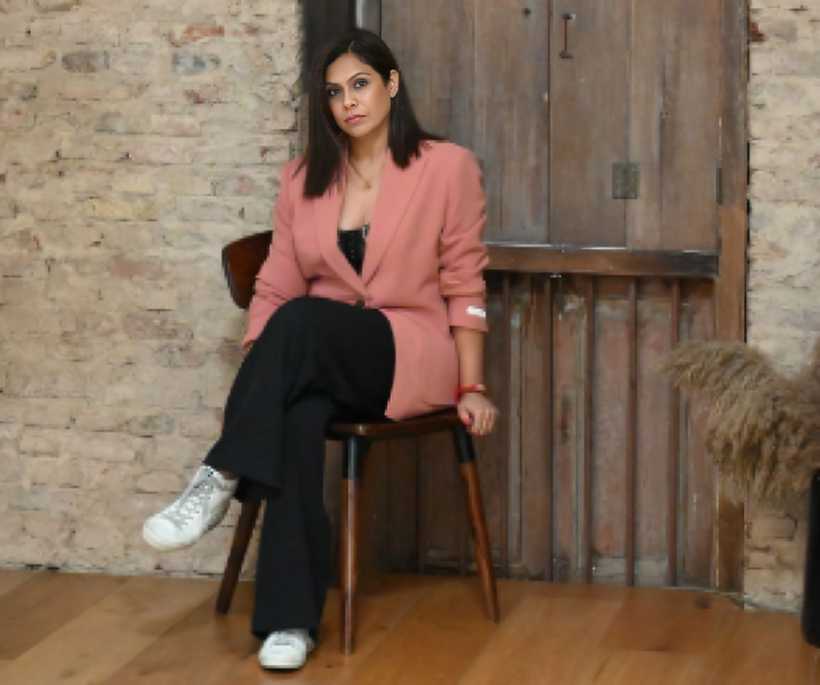

Richa Bahl, founder of Richa Bahl Design Studio, discovered her true calling in interior design. Every home designed by her gives us a glimpse of the originality and passion with which it has been planned. The intuitive designer is famous for capturing the personality of the owner and portraying their sensibilities through her design. That is the reason she is on the most coveted list of very famous creative people on this side of the planet. Though trained for an advertising career, Richa found her calling in designing spaces, leaving her distinctive mark on each of them, exuding elegance and functionality. In an exclusive interview, she delves into her captivating journey as a woman, designer, and entrepreneur.
So can you tell us about your journey so far?
I began my professional journey as a mass communication student, specialising in advertising. I initially worked with renowned agencies like Leo Burnett and Ogilvy & Mather, which is now known as Ogilvy. Although these agencies were prestigious, my heart was never fully invested in advertising. I found myself constantly joining and leaving, feeling a bit lost. On the side, I started assisting people with various tasks like office work, shopping, and even decorating my own house. As fate would have it, a friend admired my home and entrusted me with the keys to design his house. This marked the beginning of an unexpected career path.
As more people saw my work, requests to design spaces started pouring in. What initially began as a passion project soon turned into a full-fledged profession. My background in advertising provided a unique creative perspective, allowing me to approach design from a different angle. Instead of merely filling spaces with typical designs, I focused on creating custom-made, lifestyle-oriented interiors. It was about understanding the essence of a space and tailoring it to the individual’s needs and preferences.
I find immense joy in my work because I get to work with a diverse clientele—from lawyers and actors to writers and business professionals. Each client brings their unique characteristics and professions to the table, making the process of designing their spaces incredibly engaging. It’s not just about aesthetics; it’s about understanding their world, their essence, and translating that into a physical space that resonates with who they are.
Your designs are known for their innovation and creativity. Could you share some of your most unique and challenging projects and how you approached them?
Each project presents its own set of challenges. For instance, I recently completed a house in Dhaka, which was quite a challenge for various reasons. Firstly, it was in a different country, and secondly, the lack of resources meant I had to imagine the entire space and source materials from different places, including India and Bangkok. Building the house involved overcoming language barriers and introducing local labourers to new materials like heritage floors and stones, which they hadn’t worked with before. It required extensive communication and sometimes even sending a team from here to guide them. Despite the challenges, the end result was satisfying, and the homeowners are now happy and settled in the space.
Another project I particularly enjoyed was creating a house for some friends. They wanted a space that didn’t reflect a typical Indian aesthetic but also didn’t feel overly modern. The design aimed for a European loft vibe, something akin to a New York loft. The challenge here was striking the right balance between minimalism and warmth. The color palette mainly consisted of gray and white, with subtle hints of other colours. The outcome was a beautifully designed space that exuded a sense of cosiness and elegance. It has become a gathering place for our group, where we often find ourselves spending quality time together.
In my line of work, every house has its own unique story and drama. During the process of designing and constructing, you become deeply attached to the project. I consider myself fortunate to have multiple spaces where I can unwind and enjoy my time, be it having chai, coffee, or dinner. Each house holds a special place in my heart, and I cherish the connections I build with them.
Every designer has a unique philosophy that is reflected in their work. What would you say is your design philosophy, and how do you incorporate it into your projects?
Well, I believe in creating something truly unique. I strive for originality and avoid repeating what’s been done before. What excites me is the opportunity to explore uncharted territory in design. I’m not one for the tried and tested. Instead, I revel in discovering the authentic essence of individuals and infusing that into my work. This approach sets me apart because my designs are not mere replicas or imitations. They stand out as creations from a deep well of insight, rather than being driven solely by materials.
Sustainable design practices are becoming increasingly important in the industry. How do you integrate sustainability into your designs, and what sustainable design techniques do you find most effective?
I’ve always been committed to using natural materials as much as possible in my projects. For instance, I frequently work with stone, a material that naturally adapts to weather conditions, making it a crucial element in climate control for a home. I also have a deep affinity for organic materials, such as banana fiber lights, which I integrate into my designs whenever feasible. In addition, I strive to incorporate recycled fabrics, art, and other sustainable elements in my projects. For instance, I’ll explore options like solar lighting through sun pipes to reduce electricity consumption. The overarching goal is to infuse each project with as many natural and sustainable materials as possible.
Mumbai is a vibrant and diverse city. How does the city’s culture and architecture influence your designs, especially considering your studio is based here?
When it comes to my studio space, the journey was quite remarkable. It took me eleven months of relentless searching to find the perfect spot in a quaint village in Bandra. The place I found was a hidden gem, a century-old property that had been abandoned for four decades. Restoring it was a labour of love, transforming it from a neglected dump into a piece of history. This process involved uncovering the past, understanding the thickness of the walls, battling termite infestations, and marvelling at the craftsmanship of the original architecture. Some windows had stood the test of time, while others had succumbed to decay. This experience was not just about refurbishing a space; it was about breathing life back into a forgotten relic, embracing its history, and allowing it to tell its story.
In Mumbai, my approach to interior design extends beyond mere functionality. I don’t believe in creating spaces that are sterile and untouched; instead, I strive to make them feel alive, like homes that echo the spirit of the city. Mumbai is a city constantly in motion, a melting pot of cultures and ideas, always one step ahead of the rest of the country. I believe homes here should mirror this dynamism. Whether it’s incorporating a touch of traditional Bombay style or blending in the influences of migrants who bring their unique flavour to the city, the key is to achieve a harmonious mix-and-match.
One challenge we face in this bustling city is the scarcity of green spaces. Integrating plants into our lives becomes a design challenge in itself, a way to infuse a touch of nature into our urban dwellings. The goal is to create spaces that are not just visually appealing but also comfortable and cosy. A sense of vibrancy is essential, but it must coexist with a clutter that feels happy and lived-in, not chaotic. Considering our busy lives and the constant travelling we do, a city home cannot just be aesthetically pleasing; it needs to be a sanctuary. Achieving this balance of comfort, vibrancy, and functionality is what design is all about. It’s about celebrating the city’s heritage, embracing its ever-changing landscape, and crafting spaces that reflect the diverse personalities of its inhabitants.
Collaborating with clients is crucial for a successful project. How do you ensure your clients’ visions are incorporated into the designs while maintaining your creative touch?
I am fortunate to work with wonderful clients who trust my expertise. When working on someone’s home, trust is crucial because clients are investing a significant amount of money in the project. I emphasise the importance of trust when I meet clients. They need to understand that they are partnering with me, not just as decision-makers but as collaborators. I guide them by explaining that their home is something they will live in for the rest of their lives, and it’s essential for them to trust my expertise.
Clients should view themselves as partners in the process. While they are not the sole decision-makers, their input is invaluable. I often encounter situations where certain materials or designs, such as mosaics, do not work well due to the high humidity in Mumbai. I share practical advice based on my knowledge of the local climate and usage patterns. Clients need to trust and partner with us, taking into account these factors.
In successful collaborations, clients respect our expertise and work with us as a team. However, it’s important to acknowledge their preferences and concerns, whether it’s specific materials, colours, or textures. I make sure to respect these preferences while also adhering to practical parameters and balancing their interests. Ultimately, when there is a true partnership, based on trust, understanding, and collaboration, the end result is always magnificent. Working together as a team and respecting each other’s expertise and input leads to the creation of truly beautiful homes.
Working with celebrities like Parineeti Chopra, Alia Bhatt, and Kangana Ranaut must have its own set of challenges and inspirations. Can you tell us about your experiences and how these collaborations have influenced your work?
Working with these celebrities has been an incredible experience. Surprisingly, I faced zero challenges when collaborating with them. In fact, I found it to be even more enjoyable than working with my regular clients. There are a few key reasons for this. First and foremost, these women are amazing to work with. They make decisions quickly, and their trust in my expertise allows for a smooth creative process. We share a great synergy, and that’s crucial in any collaboration. When you’re on the same page, it becomes a matter of presenting options, and they make selections with ease – option one, option two, or option three.
Moreover, their busy schedules, which are common in today’s world, have a positive impact on our work together. Celebrities understand the importance of deadlines and the value of time, which accelerates the design process. What’s fascinating is that their work in the entertainment industry exposes them to a myriad of influences and design elements. This exposure enables them to make design decisions more swiftly and efficiently when working with me. So, in all honesty, it’s actually easier to work with these celebrities than with regular clients.
Your Instagram profile showcases your work beautifully. How has social media and digital platforms influenced your approach to interior design and client interaction?
Social media and digital platforms have undeniably become significant tools in the realm of interior design. Personally, managing my presence online can be challenging. There’s a lot on my plate, and despite my enthusiasm, there are times when I can’t keep up. I prefer my Instagram to be organic and real, avoiding the race for likes over quality. The influx of messages and inquiries, while beneficial, also brings unrequited
and non-business-related content. In this sea of digital noise, I’ve learned that prioritising quality over quantity is crucial.
While social media has brought me a substantial amount of work, it’s essential to establish a trusted reputation. When dealing with interior spaces, it’s not just about aesthetics; durability, functionality, and excellent finishes matter. Clients conduct thorough research before entrusting their projects to a designer. Social media serves as a valuable platform, but authenticity is a key. Genuine interactions go a long way in building meaningful connections and ensuring that the efforts invested translate into fruitful business relationships.
Interior design trends are constantly evolving. What trends do you foresee making a significant impact in 2024, and how are you planning to incorporate these trends into your designs?
Honestly, I dislike the word “trends.” I never follow them because they come and go. I prefer creating spaces that are timeless, where you feel a sense of perpetual joy and don’t grow bored. The drama in your home should evoke happiness and a lasting vibe. While I incorporate innovative elements, I focus on creating spaces that endure. One crucial aspect, especially considering our changing climate, is sustainability. Using environmentally friendly materials in construction, flooring, and fabrics is essential. The world generates excessive waste during construction, so embracing eco-friendly practices is vital. Reusable materials, such as lamps, light fixtures, and tiles, are gaining popularity. I believe people will continue to embrace these options in the coming years. Additionally, post-COVID, people are realising the value of minimalism and de-cluttering. Many now appreciate the use of minimal spaces and subtle colours. While bright colours might be a trend, I find the shift toward minimalism positive. A well-designed space shouldn’t feel outgrown quickly. When I work with clients, I often start from scratch because they’ve outgrown their previous spaces. Certain elements, like bookshelves for avid readers, are timeless and never go out of style. Creating spaces that stand the test of time is my ultimate goal.
What are your future aspirations for Richa Bahl Design Studio? Are there any upcoming projects or collaborations that you are particularly excited about?
Absolutely, we have some exciting developments on the horizon. We are currently working on a hotel project in Goa and a captivating house in San Francisco. Working in a new city like San Francisco is a unique learning experience, especially managing contractors and coordinating the shipment of materials from India. It’s a challenging yet enjoyable endeavour. Additionally, I have a strong desire to incorporate Indian stories into our designs. I am passionate about creating a line inspired by the rich narratives from ancient Purana times. This project is in the pipeline, and whenever I find some time, I am dedicated to bringing this vision to life. Hopefully, by 2024, we will be able to embark on this exciting journey, experimenting and showcasing the essence of these timeless stories in our creations.
Many aspiring interior designers look up to your work. What advice do you have for young designers trying to make their mark in the industry, especially in the competitive Indian market?
Certainly, the design industry is currently filled with talented individuals. My advice for young designers is to remain true to their unique style and not succumb to blindly following trends. Instead, focus on developing your individual perspective, which will distinguish you in this competitive field. Take the time to explore and discover your personal design style. In India, we have the advantage of being influenced by diverse cultures from around the world. Embrace these cultural nuances and incorporate them into your work, rather than copying designs from platforms like Pinterest. It’s disheartening to see designs that are mere replicas of existing ones when our country offers a wealth of materials and design elements waiting to be explored. I encourage designers to infuse their work with a sense of pride in our cultural heritage while incorporating modern sensibilities. In addition to originality, hard work is essential. There are no shortcuts in our profession; it requires dedication and rigor. However, the results will reflect your commitment. So, remember, originality and hard work are the fundamental principles for achieving success.