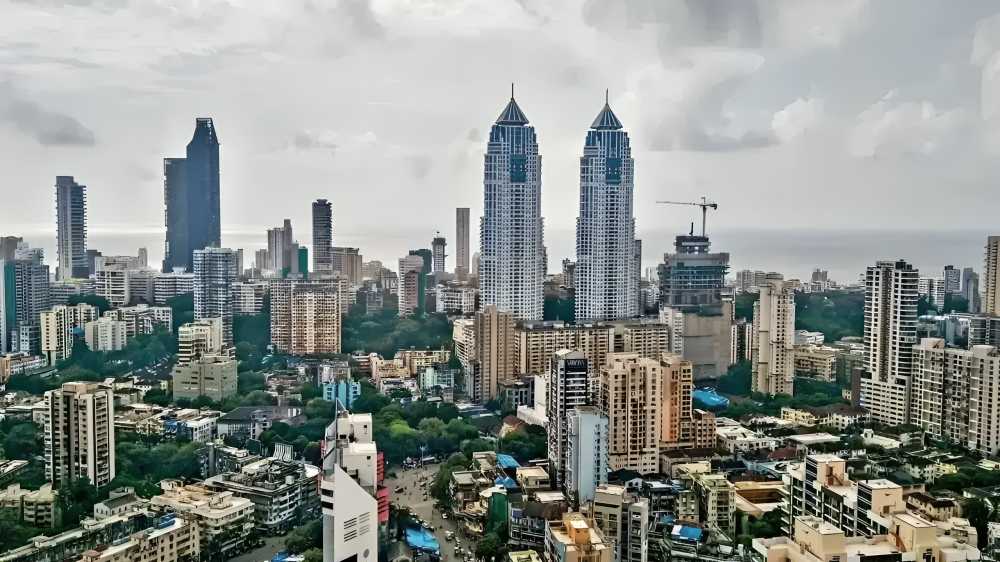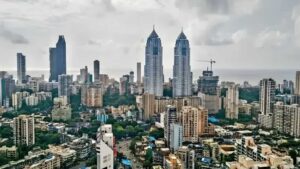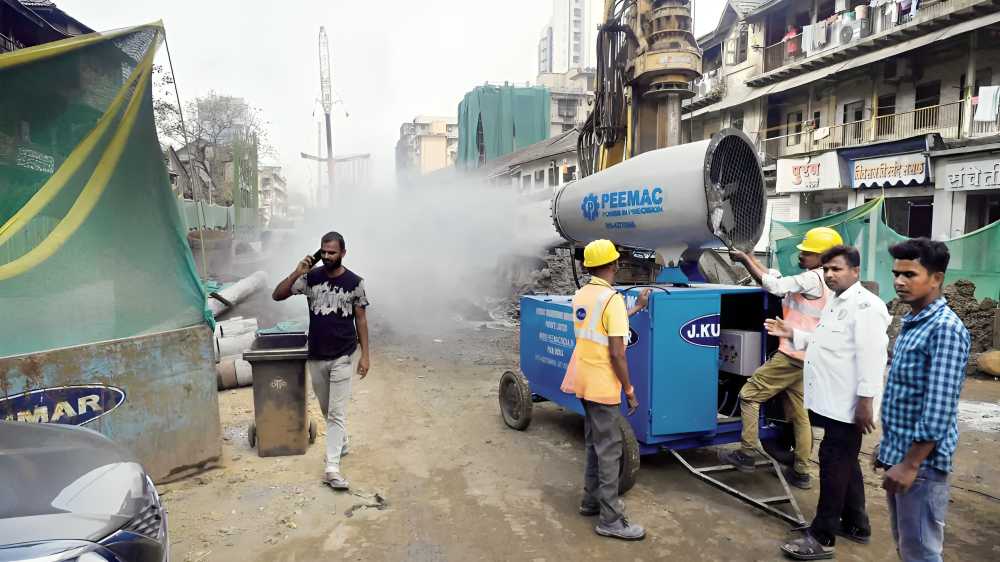

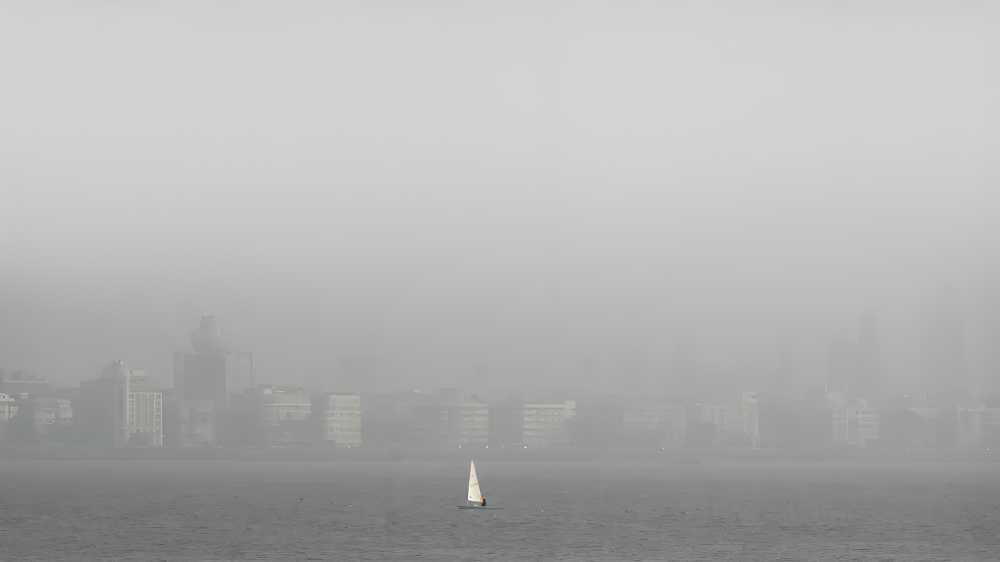
Mumbai’s air quality has deteriorated beyond typical winter levels, with the city recording higher Air Quality Index (AQI) readings over three consecutive days. According to data from the Central Pollution Control Board (CPCB), the AQI stood at 141 on Monday, 140 on Tuesday, and 134 on Wednesday—each falling in the ‘moderate’ category. These figures are higher than those reported during December and January, with particulate matter (PM10), largely generated by construction dust and vehicular emissions, emerging as the primary pollutant.
The Brihanmumbai Municipal Corporation (BMC) has attributed the recent spike in pollution levels to low wind speeds, which ranged between 10 kmph and 13 kmph during this period. Officials noted that reduced air movement limits the dispersion of pollutants, leading to higher concentrations. The rise is significant when compared to Sunday’s AQI of 105, also in the ‘moderate’ category. Earlier data shows Mumbai recorded an AQI of 140 on January 4, while on November 27, the level had climbed to 167.
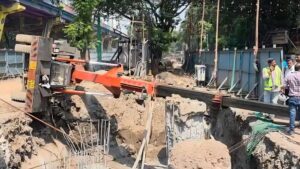
As citizens and activists have urged the civic body to strengthen pollution-control measures—particularly at road concreting sites—the BMC maintained that environmental factors such as wind speed, humidity, temperature, and vehicular emissions play a major role. The civic body stated that contractors working on BMC projects are required to follow the same pollution-mitigation norms as private construction sites, including misting, wheel washing, and covering vehicles carrying construction material.
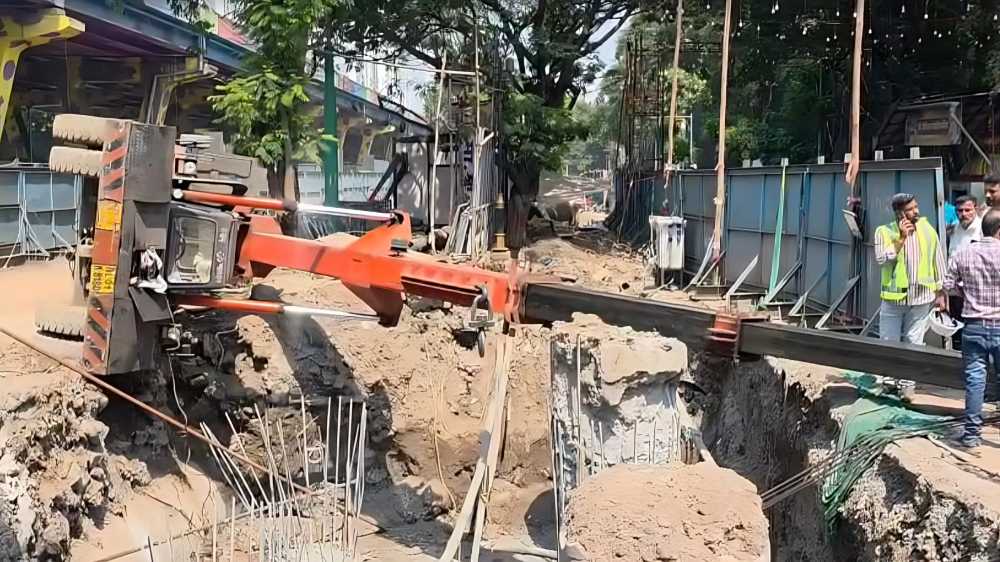
Currently, 918 roads across Mumbai are undergoing concreting under the Rs 17,000-crore road concreting project, which spans over three years and covers more than 2,200 streets. Between October 2025 and January 2026, 160 road works were completed. After the monsoon, work resumed on over 570 projects that had been paused in May 2025. While some stretches have been completed, others have been newly excavated, prompting concerns among residents about unchecked dust pollution.
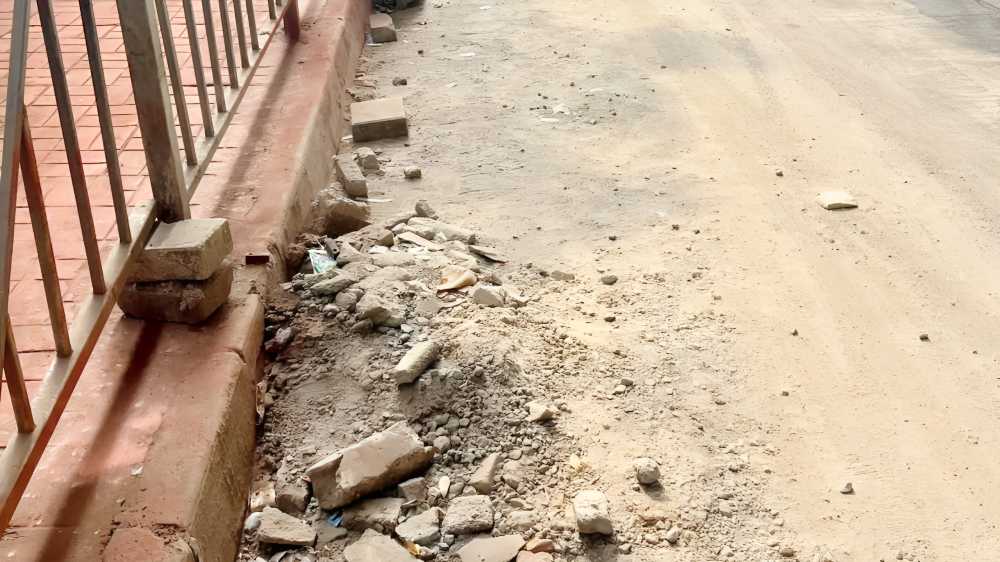
Environmentalists argue that on-ground conditions contradict official explanations. Rishi Aggarwal said, “Even now, I see trucks from construction sites leaving behind trails of muck for 500 metres in Lokhandwala, Andheri. For me, the simplest metric is the lived experiences of people in the vicinity… Dust is a contributor to AQI, so, logically, we must address the low-hanging fruit and curb construction dust to prevent air quality from worsening.”
Sumaira Abdulali of the Awaaz Foundation added, “Nothing is directly correlated unless you are actually near a construction site… But we can and must control the measures we take as precautions.”
Residents echoed similar concerns, citing visible dust plumes and breathing discomfort near construction zones. In response, civic officials reiterated that monitoring is ongoing and corrective action is taken when violations are observed. A senior official said, “We have noted that Mumbai’s AQI has worsened in two days… Regarding road works, the same measures in place for private construction sites are also in place for BMC works.”
Municipal Commissioner Bhushan Gagrani emphasised that infrastructure development inevitably causes temporary dust but is essential for the city’s long-term benefit. He said, “Wherever there is excavation, dust is likely to be present… These works are [ultimately] benefiting Mumbai.” He added that BMC’s 28-point construction guidelines apply equally to civic projects and that dust pollution from such work is temporary and managed through mandated precautions.
Source: Mid-day