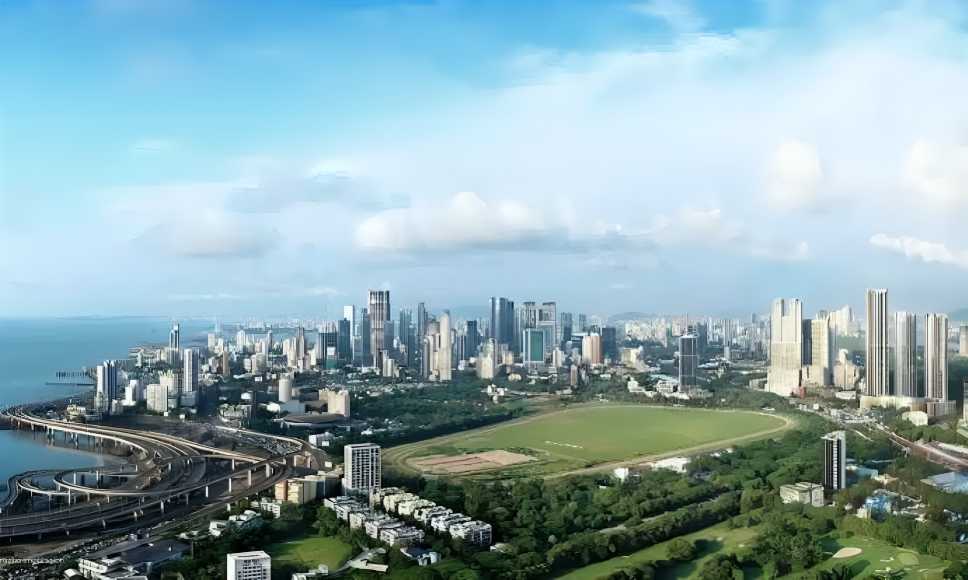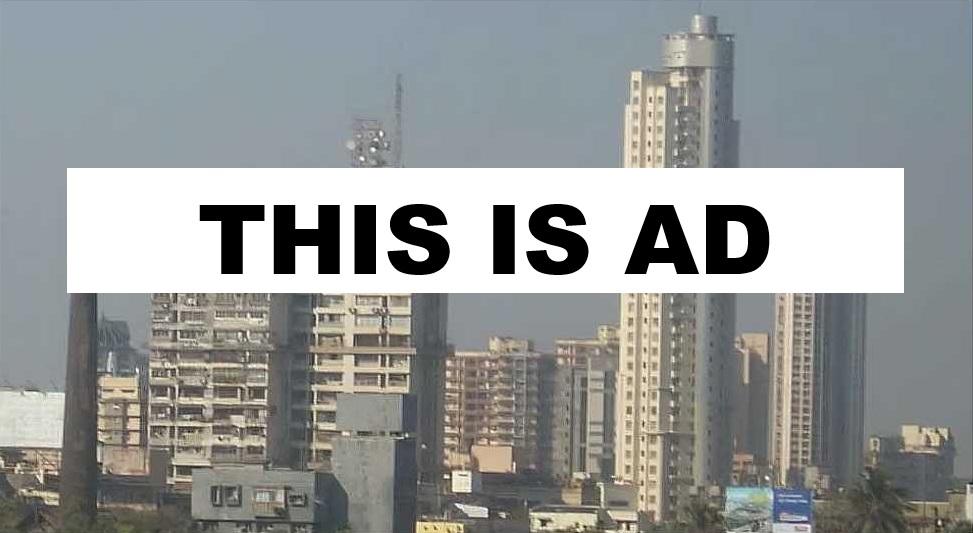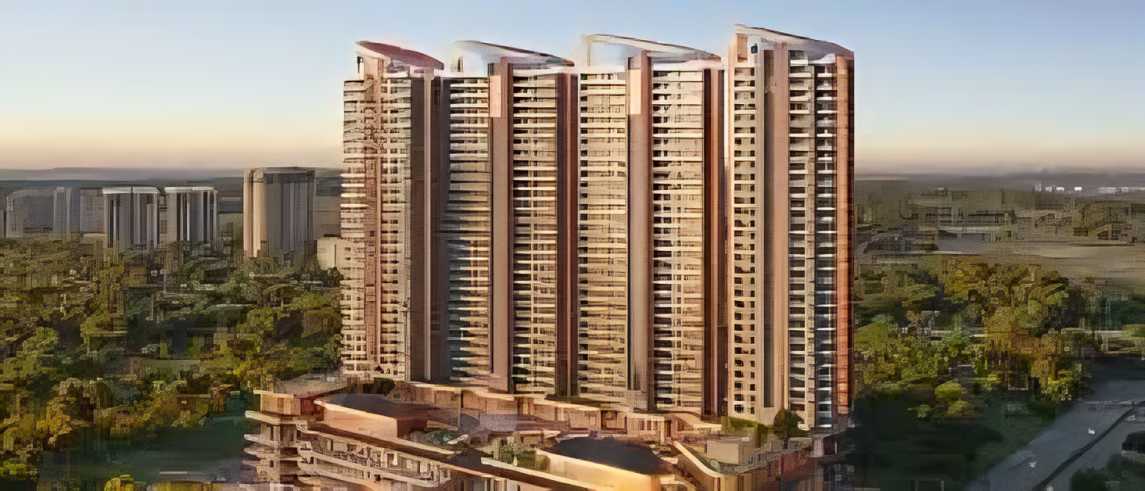

Mumbai’s western suburbs are witnessing a renewed wave of redevelopment, with Goregaon West increasingly positioning itself as a focal point for large-scale urban renewal. A listed real estate developer has recently secured development rights for a sizeable mixed-use redevelopment project at Bangur Nagar, underscoring growing private investment interest in mature suburban precincts marked by land constraints, strong connectivity, and sustained housing demand.
The proposed project spans approximately 4,600 square metres and is planned as an integrated development combining mid- to large-sized residential units with commercial spaces. Market observers note that such mixed-use formats reflect a broader shift away from standalone residential towers towards compact, multi-functional neighbourhoods that encourage walkability, reduce commute times, and support local economic activity. Goregaon’s access to metro lines, arterial roads, employment hubs, and social infrastructure has made it a natural candidate for this evolving development model.
With an estimated gross development value of around Rs 350 crore, the project forms part of a larger expansion strategy within the Goregaon–Malad belt. A second redevelopment initiative in close proximity is expected to be announced in the near term, potentially taking the combined project pipeline value in the micro-market to nearly Rs 600 crore. Analysts point out that clustering multiple projects within a single locality allows developers to optimise execution efficiencies while contributing to a more cohesive urban landscape rather than isolated high-rise developments.
Across Mumbai, redevelopment activity has accelerated over the past three years as ageing housing societies seek structurally safer buildings with modern amenities. In the absence of significant greenfield land, redevelopment has emerged as the primary means of adding housing supply within established neighbourhoods. Property consultancy data indicate a notable increase in both new launches and transaction values since the pandemic, particularly in suburbs benefiting from improved transport infrastructure.
Urban planners highlight Goregaon and Borivali as examples of Mumbai’s new suburban growth pattern—high-density residential development supported by metro connectivity, upgraded road networks, and proximity to employment centres such as Andheri, Lower Parel, and the western business corridor. Mixed-use redevelopment is also viewed as more climate-resilient, as it reduces travel distances and supports local employment.
As Goregaon’s built environment continues to evolve, policymakers and civic authorities face the parallel challenge of ensuring coordinated upgrades to infrastructure, including drainage, water supply, public transport, and open spaces, to support long-term urban liveability.
Source: Urban Acres