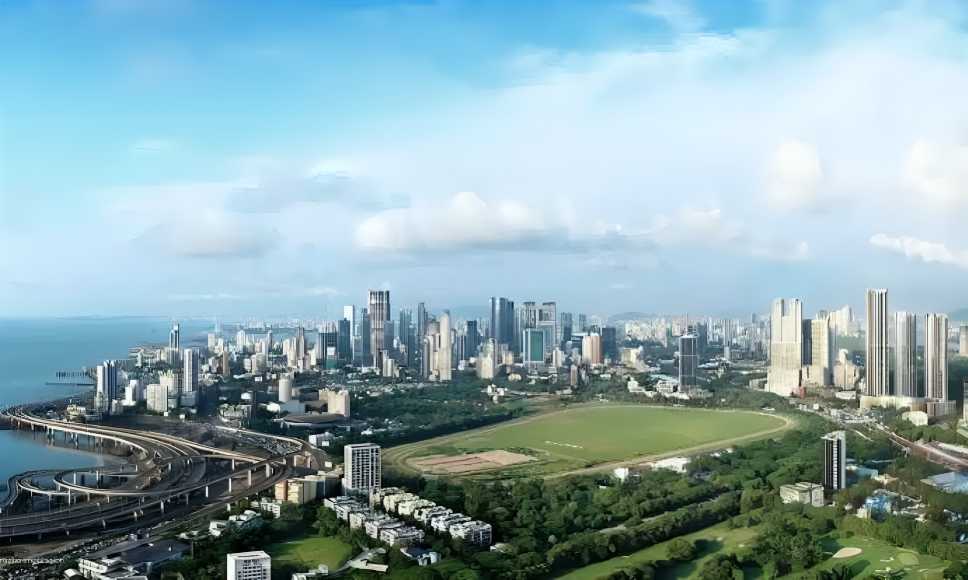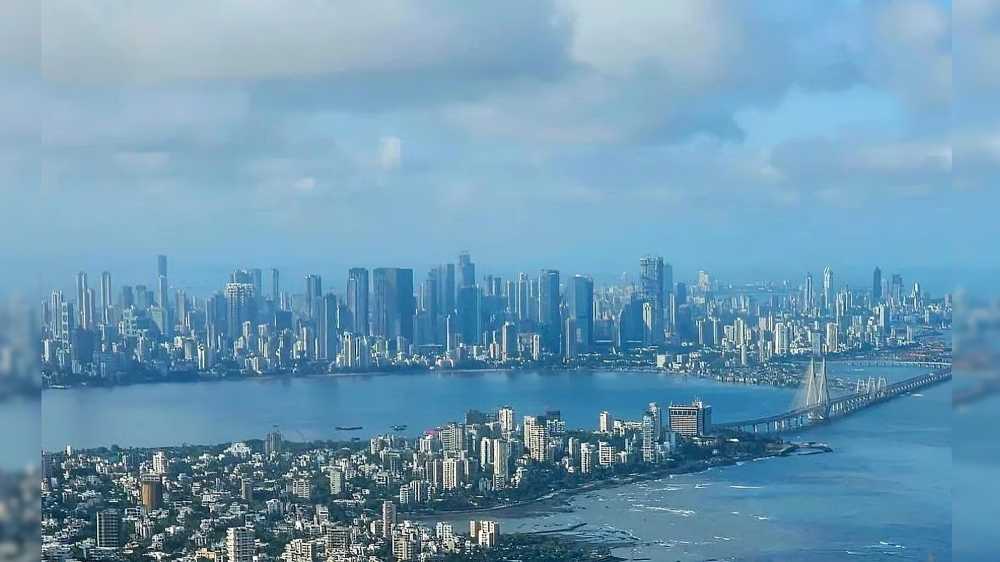

Mumbai is gearing up for a far-reaching transformation of its eastern waterfront, with a long-term redevelopment programme envisaging investments of about Rs 22,672 crore over the coming decades. The initiative seeks to convert underutilised port and dockland areas into a contemporary maritime, logistics and urban district, marking a strategic shift in how the city integrates its working harbour with future urban and economic growth.
Stretching across legacy port zones, the eastern waterfront has remained largely inaccessible to the public despite its prime location. Project authorities view the redevelopment as an opportunity to unlock economic potential from ageing maritime assets while easing development pressure on Mumbai’s heavily built western corridor. With a vision extending to 2047, the programme aligns with broader national goals for infrastructure modernisation and long-term economic expansion.
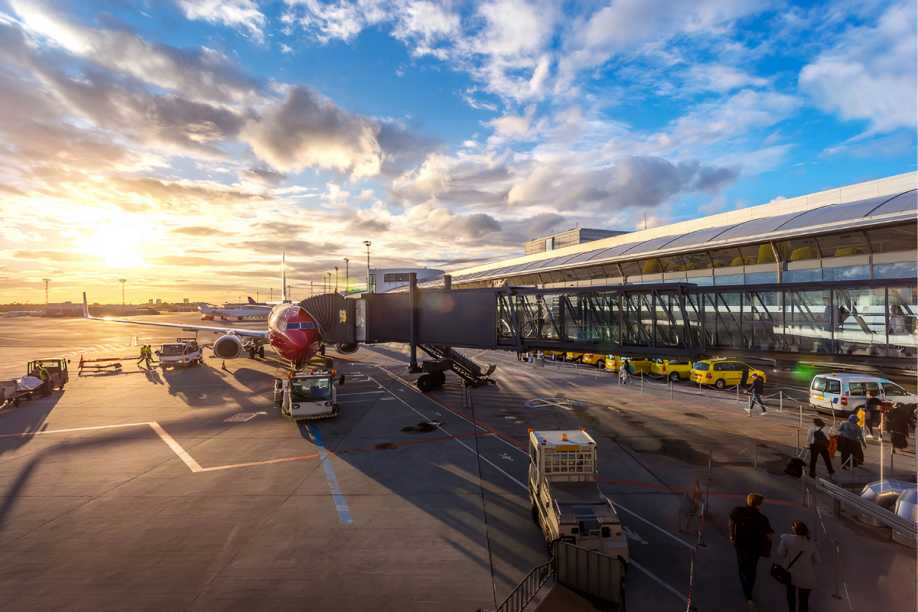
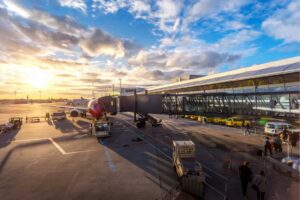
Urban planners involved in the initiative describe it as a layered transformation rather than a single construction exercise. Proposed elements include upgraded port infrastructure, cruise and passenger terminals, modern logistics hubs, public waterfront promenades and supporting commercial development. The objective is to create a balanced maritime district that supports trade and employment while reconnecting residents with the city’s eastern coastline.
From an economic perspective, the redevelopment could recalibrate Mumbai’s port-led economy. Experts point out that modernised docks and logistics facilities can improve cargo efficiency, cut turnaround times and enhance India’s role in regional shipping networks. These improvements could have spillover benefits for manufacturing, supply chains and real estate linked to port activity.
The project also raises important questions around land use and housing. With large tracts of publicly owned waterfront land becoming available, urban economists stress the need for careful zoning and phased development to ensure that commercial and tourism-led projects do not displace affordable housing, public spaces or essential civic amenities.
Climate resilience forms a core pillar of the plan. Given Mumbai’s vulnerability to sea-level rise and flooding, new infrastructure is expected to incorporate flood mitigation measures, elevated design, and nature-based solutions such as mangrove buffers, alongside low-carbon transport and energy-efficient buildings.
As the vision moves towards phased implementation, coordination between port authorities, civic agencies and state planners will be crucial. The eastern waterfront has the potential to redefine Mumbai’s relationship with its harbour, provided long-term economic ambition is matched with resilient design and inclusive urban planning.
Source: Urban Acres