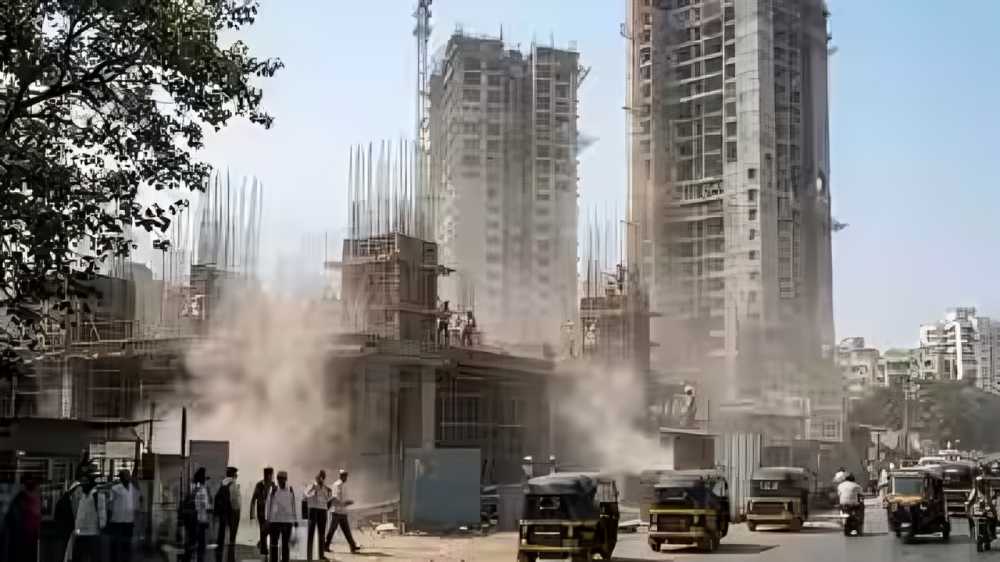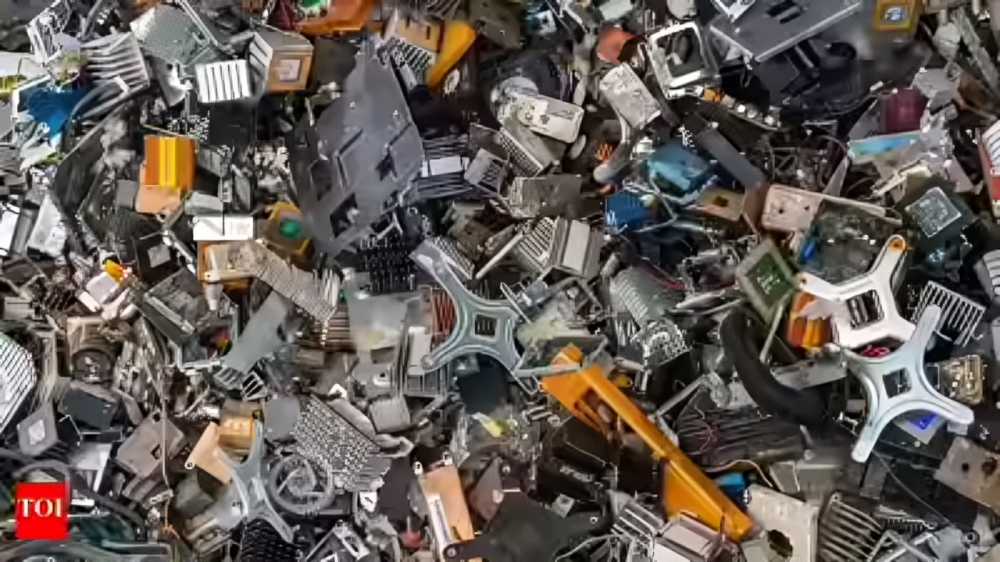

As Mumbai advances infrastructure works, housing redevelopment and manufacturing activity, metal recycling is emerging as a key support industry in the Mumbai Metropolitan Region (MMR). Recycling units in the region have a combined plant capacity exceeding 9,900 metric tonnes per month and currently process more than 6,930 metric tonnes monthly.
Industry associations including the Material Recycling Association of India (MRAI) and the Bombay Non-Ferrous Metal Association are advocating structured scrap management in both ferrous and non-ferrous segments. Sector representatives have called for dedicated scrap yards in every city and for granting metal recycling “industry status” to streamline operations and improve formalisation.
The emphasis on recycling aligns with the expansion of India’s foundry sector, the world’s second-largest casting producer. The Bharat Foundry 360° Insight 2025–2047 Report projects growth from USD 23.6 billion in 2024 to USD 42.5 billion by 2029, reflecting a 9.4% CAGR. Recycling of metals is expected to play a central role in supporting this expansion by reducing mining dependence, lowering energy consumption and limiting greenhouse gas emissions.
India produces around 12 million tonnes of castings annually, accounting for nearly 11% of global output. The industry comprises about 4,500 foundries, largely small-scale units, with turnover of approximately USD 20 billion and exports of USD 3.54 billion, mainly to the United States, Germany and the United Kingdom. Long-term projections indicate the sector could reach USD 169 billion by 2047.
Ferrous castings contribute 83.8% of output, while non-ferrous castings account for 16.2%, with aluminium holding a 63.4% share and projected 11.2% CAGR growth. Aluminium’s recyclability supports automotive, EV and renewable energy manufacturing.
The 74th Indian Foundry Congress and IFEX 2026, scheduled in Mumbai from February 12 to 14, will focus on technologies that enhance recycling efficiency, reduce emissions and promote circular manufacturing practices.
Source: The Times of India