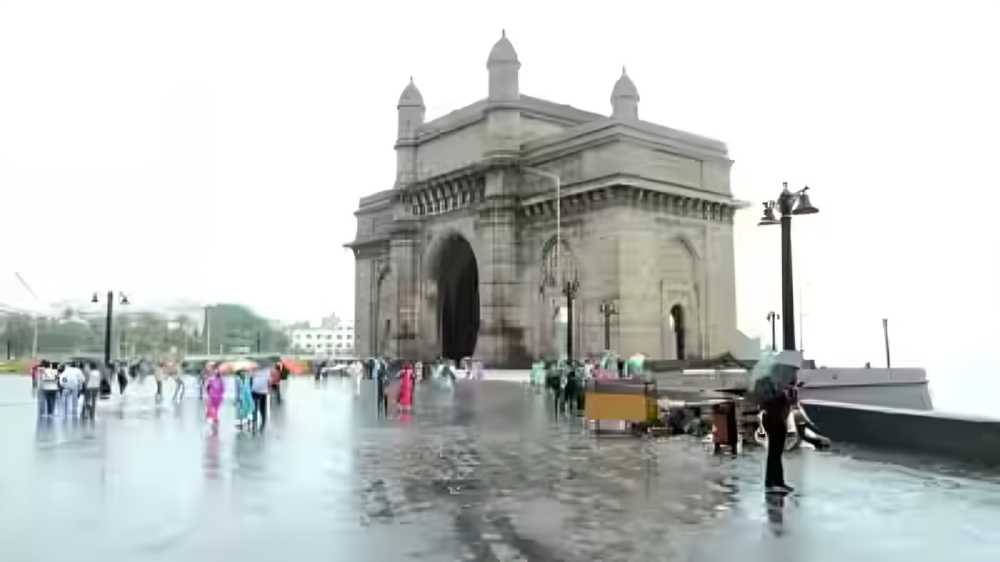

Mumbai’s skyline is expanding, and its transport network is growing, yet for millions of residents, navigating the city has become increasingly challenging. Repeated road excavations, redevelopment dust, and obstructed footpaths are turning daily commutes into a test of patience, while public trust in civic authorities is being strained.
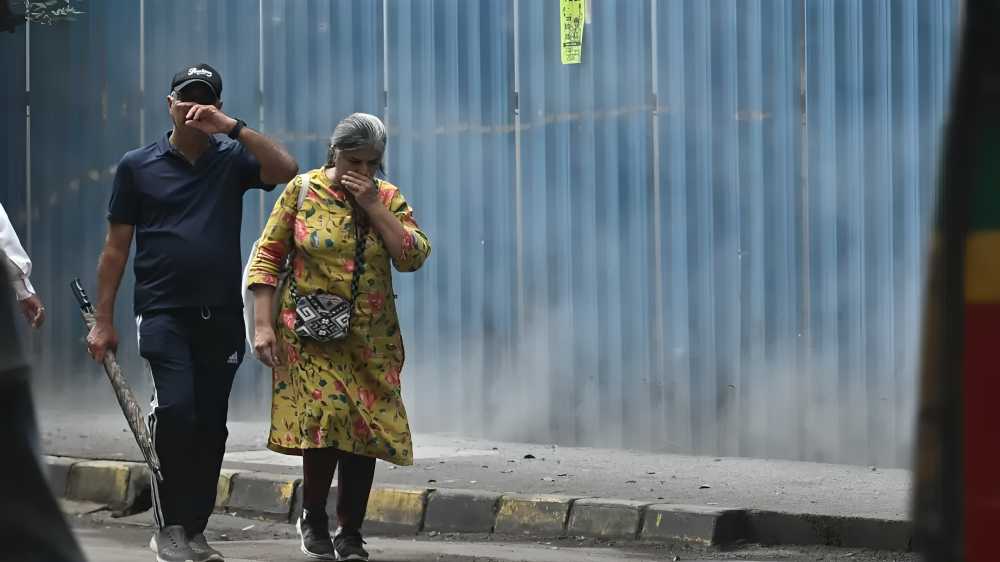
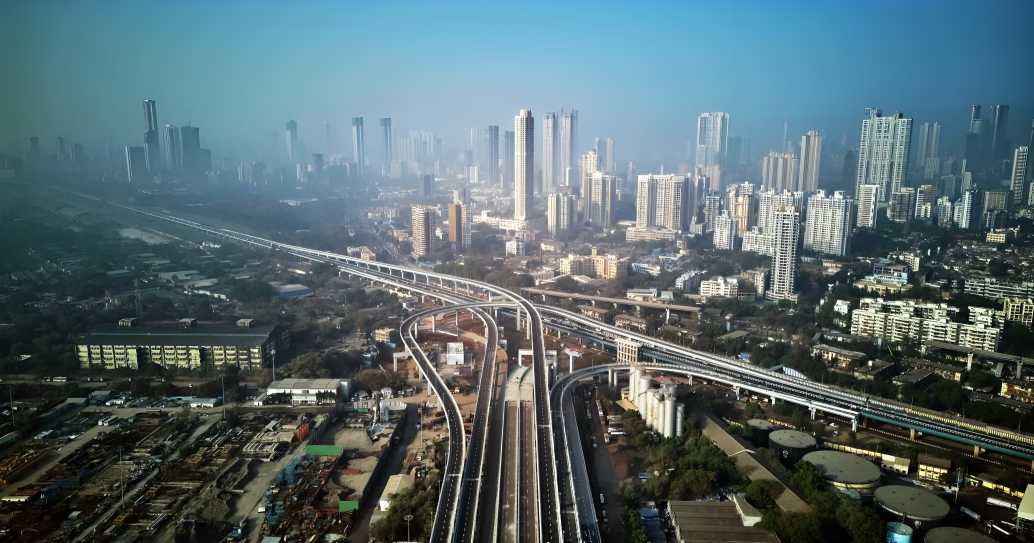
Across the western suburbs and the island city, major roads are frequently barricaded for concreting, utility upgrades, Metro alignments, and flyover projects. While each initiative is framed as essential modernisation, its cumulative impact has been prolonged congestion, reduced pedestrian safety, longer travel times, and damage to vehicles. Residents are also exposed to high levels of particulate matter during ongoing construction.
Urban planners point to fragmented governance as a key contributor to the crisis. Multiple authorities oversee roads, transport corridors, utilities, and redevelopment permissions, often operating on parallel timelines. As a result, newly resurfaced stretches are frequently reopened for underground works, inflating costs and inconveniencing citizens. The Brihanmumbai Municipal Corporation, responsible for one of India’s largest municipal budgets, has faced repeated judicial scrutiny over road quality, contractor accountability, and compliance lapses. The Bombay High Court has urged stricter oversight and enforcement against illegal encroachments.
Encroachment and street vending remain flashpoints. Pedestrians often share space with vehicles, creating safety hazards, while redevelopment activity in older neighbourhoods generates significant dust. Studies by the National Environmental Engineering Research Institute and IIT Bombay link a substantial portion of Mumbai’s particulate pollution to road and construction dust. Experts warn that rapid concretisation can worsen urban heat, impede drainage, and heighten flood risks if climate-sensitive design is ignored.
Large projects like Mumbai Metropolitan Region Development Authority-led transit corridors promise long-term benefits, but economists stress that transparent contracting, lifecycle maintenance, and clear citizen communication are critical. Rising costs, disrupted services, and uncoordinated construction continue to test public patience, highlighting the urgent need for integrated planning, data transparency, and accountability in Mumbai’s infrastructure development.
Source: Urban Acres