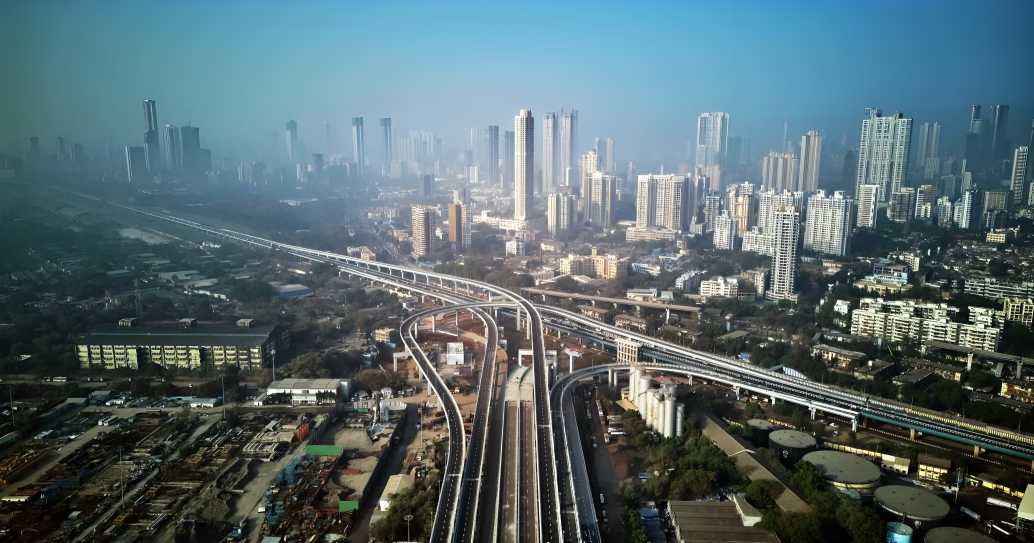

At the Mumbai Global Economic Cooperation Summit 2026, Maharashtra’s leading infrastructure agencies laid out a coordinated blueprint for growth linking expressways, aviation hubs, urban mobility systems and industrial corridors. The emphasis, officials said, is on building an interconnected transport grid capable of sustaining long-term economic expansion, rather than executing standalone projects.
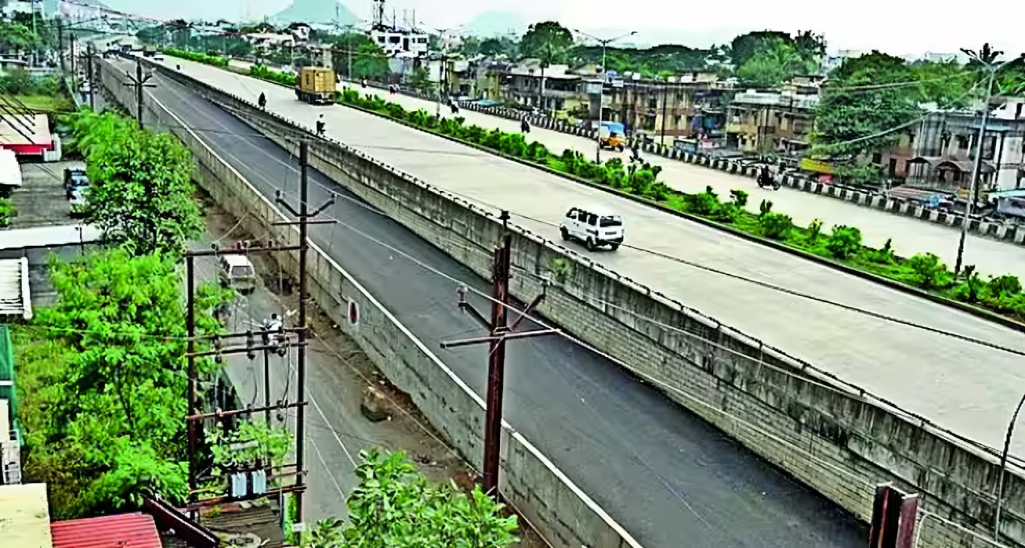
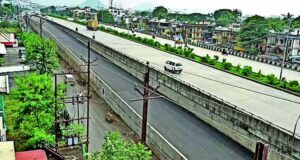
The Maharashtra State Road Development Corporation highlighted its expanding mandate beyond landmark developments such as the Mumbai-Pune Expressway and the Bandra Worli Sea Link. Its primary focus now is the 701-km Hindu Hridaysamrat Balasaheb Thackeray Maharashtra Samruddhi Mahamarg, designed with 26 interchanges and development potential spanning more than 7,000 sq km, including zones within the Mumbai Metropolitan Region and near Vadhavan to strengthen logistics and manufacturing ecosystems.
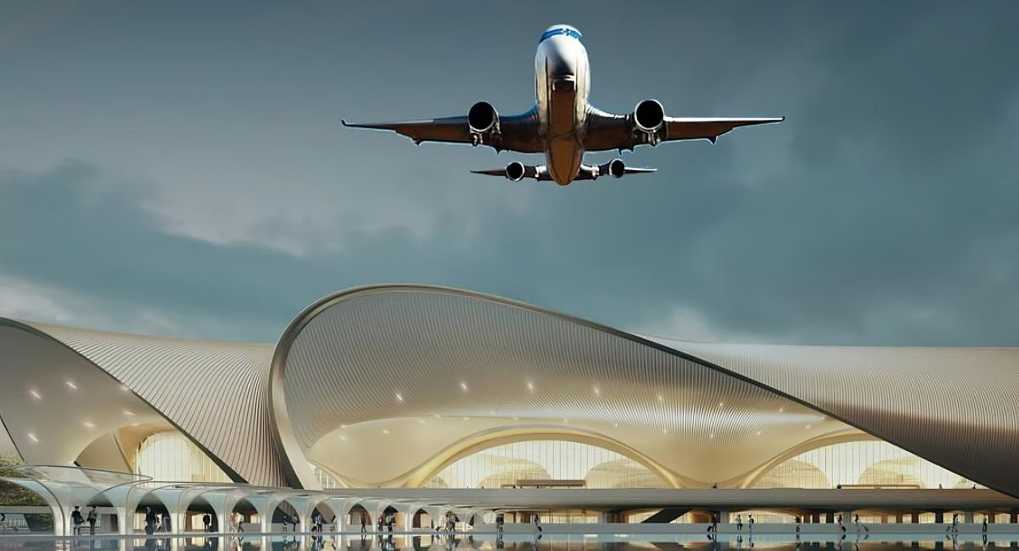
The City and Industrial Development Corporation of Maharashtra detailed its plans to expand Navi Mumbai’s urban and commercial footprint. Initiatives include enhanced cargo infrastructure, multimodal transport links and aviation-led commercial districts around the Navi Mumbai International Airport. Operational since late last year, the airport features dual runways, four terminals and an annual handling capacity of 90 million passengers, already drawing major logistics investments.
The Maharashtra Industrial Development Corporation outlined measures to accelerate industrialisation through the Mumbai-Pune industrial corridor, cluster-driven industrial estates and public-private manufacturing hubs integrated with upgraded road and port networks. Managing over 300 industrial areas statewide, MIDC continues to function as a single-window facilitator for investors.
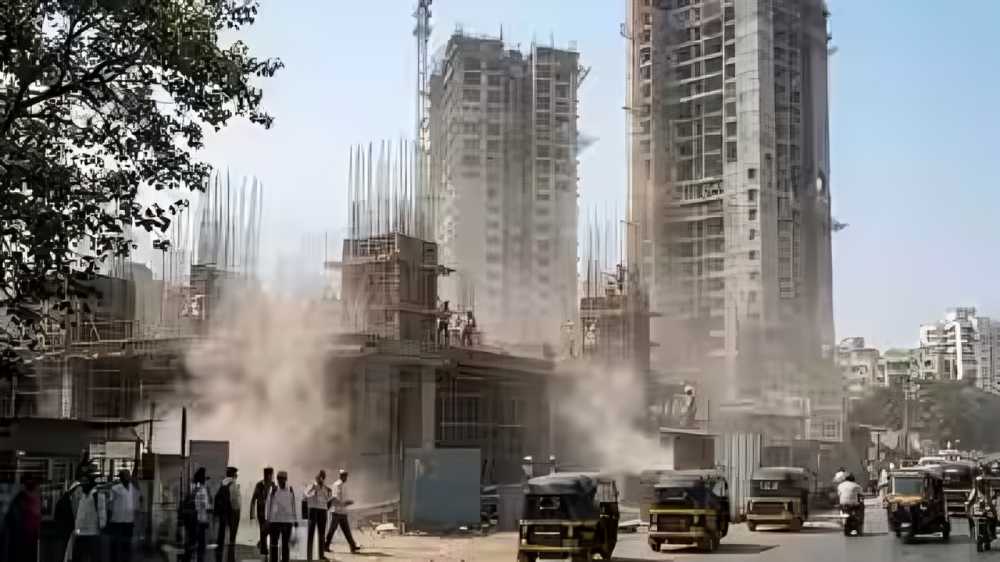
Meanwhile, the Mumbai Metropolitan Region Development Authority presented its urban mobility roadmap, including a proposed 337-km metro grid, the Alibaug-Virar multimodal corridor and high-speed rail connectivity. Growth strategies such as Mumbai 3.0 and 4.0 are expected to unlock new development nodes and employment opportunities.
Together, the agencies signalled a transition toward synchronised infrastructure planning aimed at reinforcing Maharashtra’s position as a leading economic powerhouse.
Source: Prop News Time