
The Maharashtra government has issued a corrigendum dated February 18, 2026, to streamline the implementation of the Mukhyamantri Baliraja Shet/Panand Raste Yojana. The revisions, released by the Revenue and Forest Department, follow deliberations held at a workshop in Nagpur on January 2, 2026, along with feedback from public representatives. The changes are aimed at accelerating rural road development and improving administrative efficiency.
Originally announced on December 14, 2025, the scheme focuses on building all-weather access roads to farmlands, enabling smoother transportation of agricultural produce and strengthening rural connectivity.
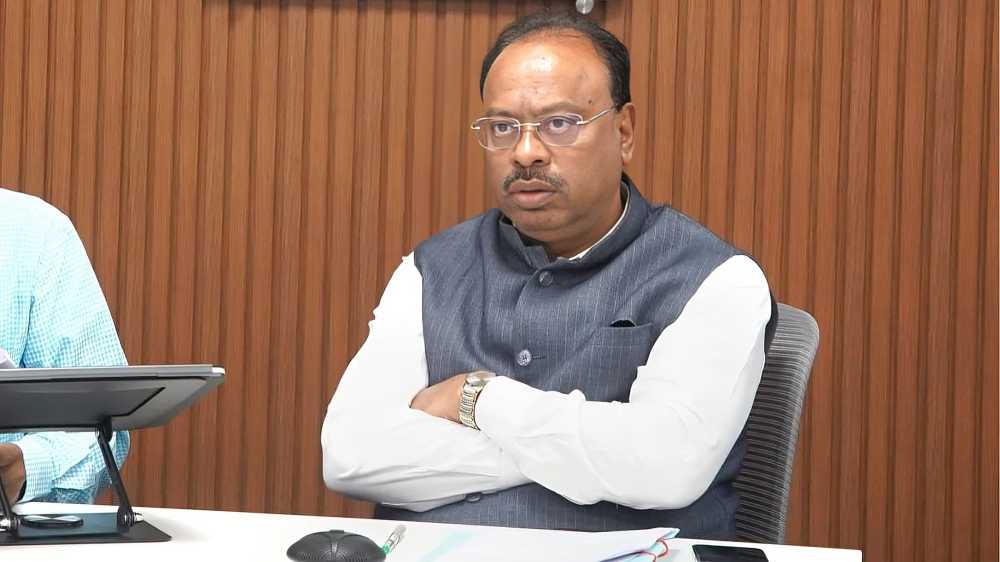
Revenue Minister Chandrashekhar Bawankule said, “The ‘Mukhyamantri Baliraja Shet Panand Road Scheme’ is being effectively implemented to ensure that farmers in rural areas of the state have access to efficient road facilities throughout the year and that agricultural produce can be transported on time and at a low cost. This will save farmers’ time, money and labor and will greatly help them in getting the right market for their produce. This scheme is not limited to just building roads but will also boost the rural economy and contribute to increasing farmers’ income.”
Among the key modifications, the list of executing agencies has been expanded to include metropolitan authorities such as MMRDA, PMRDA, NMRDA and CIDCO, in addition to existing departments.
The revised framework introduces tiered technical approvals. Sub-divisional engineers can now sanction works up to Rs 25 lakh, while executive engineers will clear projects exceeding that amount. Forest clearances will continue to remain under the forest department.
Tendering norms have been made more flexible, permitting project clusters of up to 25 km or smaller, depending on available funds. Contractor selection will follow a lottery system from pre-approved district-level lists to expedite execution.
To ensure accountability, payments will be released in two stages—80% after primary certification by sub-engineers, including confirmation from local farmers, and the remaining 20% after final inspection by executive engineers. Mandatory quality checks such as core testing for compaction have also been introduced.
The full corrigendum is available on the official state portal.
Source: Th Free Press Journal