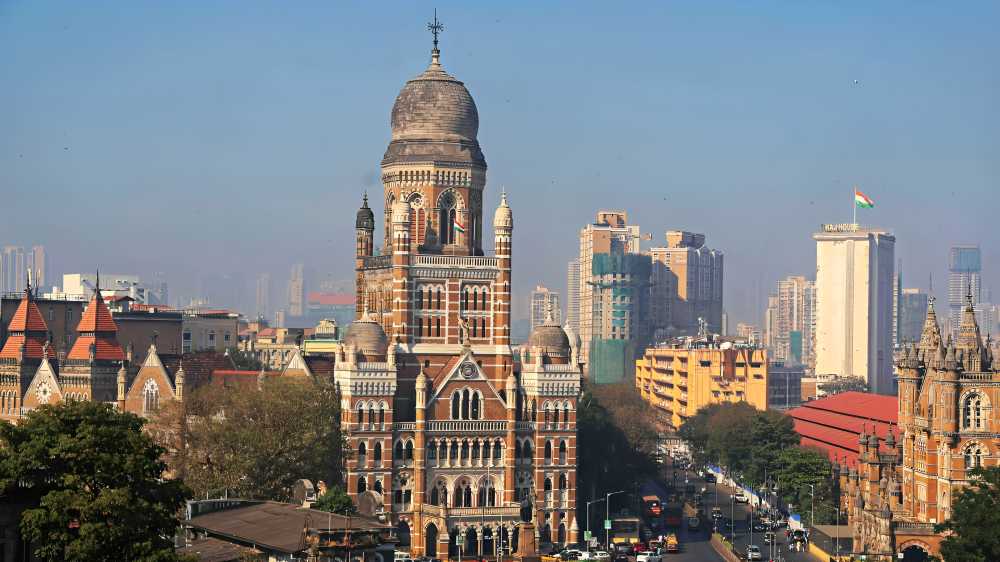

The Mumbai Municipal Corporation (BMC), India’s wealthiest civic body, has presented its 2026-27 budget on February 25, marking a 20-day delay from the usual February 5 schedule. The postponement comes after municipal elections, with government formation, mayoral appointment, and standing committee setup taking precedence. This budget is particularly noteworthy as it is the first after the end of the administrative rule and under the BJP-led regime, following a fiercely contested election.
The BMC budget is divided into two segments, with a separate allocation for the Education Department. Primary education being a statutory duty, the education budget is presented first at the Education Committee meeting, chaired by an ex-officio member of the standing committee. This year, the education allocation is around Rs 3,000 crore.
Overall, the BMC budget is comparable to that of a small state. The 2025-26 budget stood at over Rs 74,000 crore and has been growing by 7–8% annually. Historical measures, such as those by Municipal Commissioner Ajoy Mehta, aimed to curb unnecessary inflation, reducing allocations in 2017 before the budget steadily rose to its current size.
The corporation’s revenue comes from five primary sources: GST compensation from the state (Rs 14,000 crore), property tax (Rs 5,000–6,000 crore), surplus value from construction and development planning (Rs 9,700 crore), interest on municipal deposits (Rs 80,000 crore), and income from municipal properties including rent and redevelopment gains. With rising expenditure, finding new revenue streams remains critical.
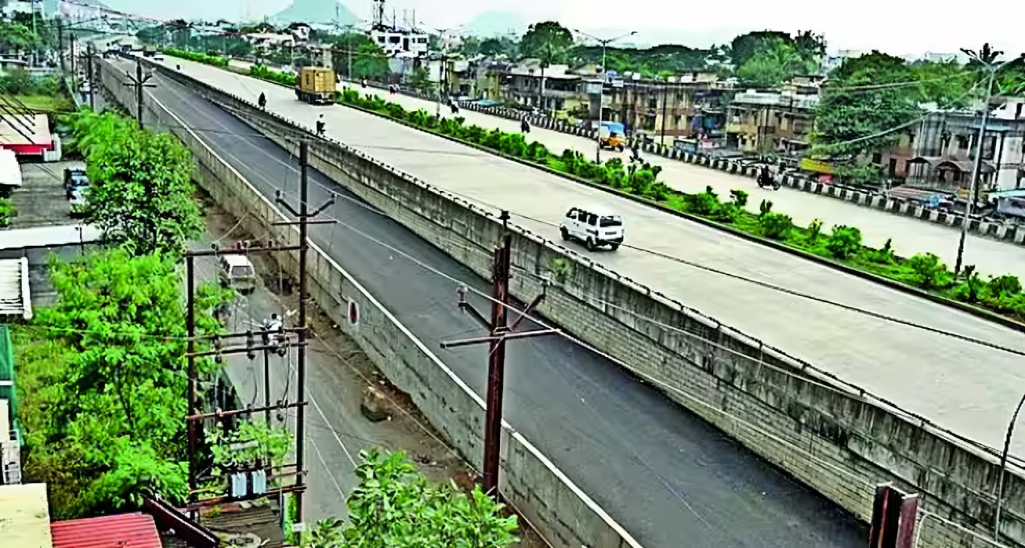
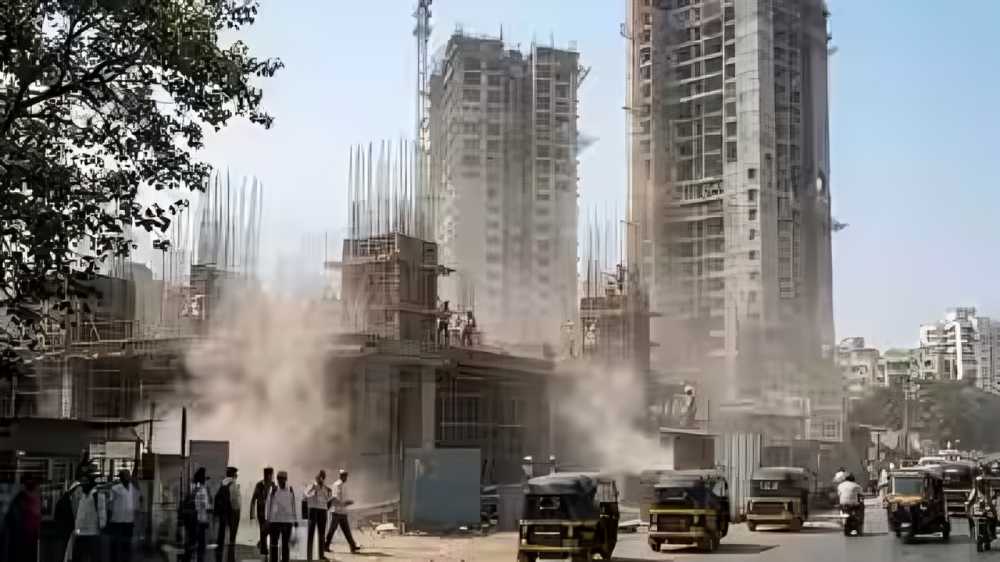
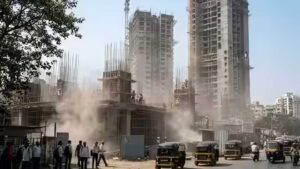
Capital works remain a priority. The budget includes provisions for mega infrastructure projects such as the Coastal Road in the western suburbs, the Goregaon–Mulund Link Road, and sea-water desalination plants. Funds are also earmarked for road and bridge repairs, rainwater drainage, parks, mandays, and fire services.
As the BMC manages projects worth thousands of crores, the 2026-27 budget will provide insights into the municipality’s financial health, revenue strategies, and continued focus on urban development in India’s financial capital.
Source: Loksatta