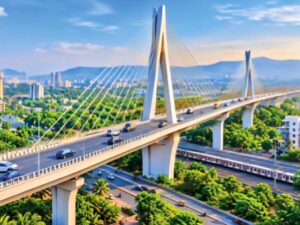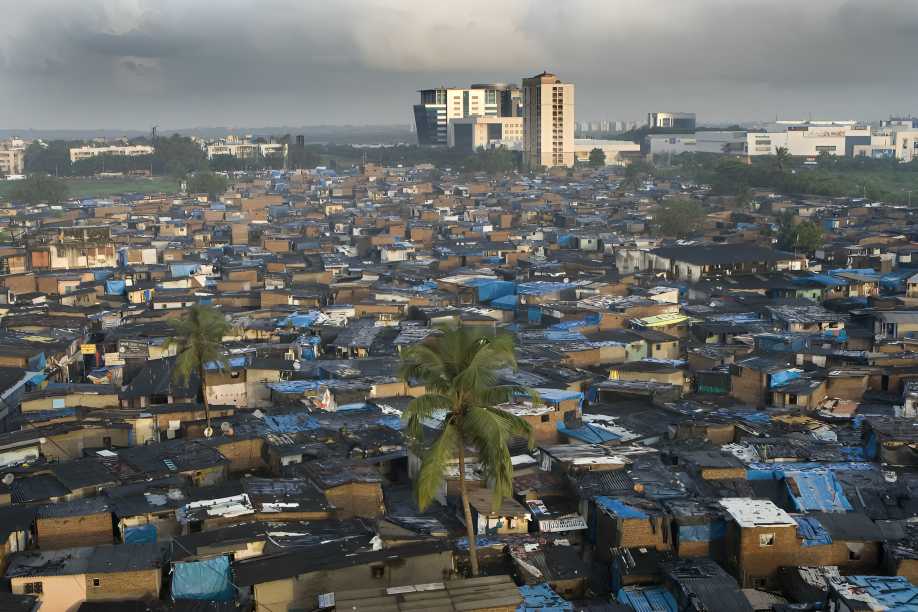

Mumbai is gearing up for what officials describe as one of the world’s most extensive urban renewal exercises, with a long-term redevelopment plan for Dharavi aimed at driving holistic social and economic change over the next two decades. Authorities maintain that the initiative is not merely a real estate venture but a comprehensive effort to upgrade living standards, stimulate livelihoods and empower residents in one of the city’s most densely inhabited districts.
Home to nearly a million people and a thriving informal economy, Dharavi presents both significant challenges and unique opportunities for inclusive urban planning. The proposed blueprint integrates residential housing with retail spaces, healthcare facilities, educational institutions and recreational infrastructure, envisioning a self-sustained urban ecosystem within Mumbai’s wider metropolitan landscape.
Project officials indicate that core construction activities are expected to be completed within seven years, while the broader vision—encompassing public amenities, community spaces and commercial centres—will gradually unfold over 15 to 20 years. Improved citywide connectivity has been cited as a major catalyst for the plan’s viability. Expanded transport networks and the development of a second airport are expected to enhance mobility, making large-scale integrated redevelopment more practical and economically sustainable.
The project framework emphasises inclusion, with priority given to the rehabilitation and upliftment of existing residents. Officials underscore that access to employment opportunities, healthcare services and education will be central to the redevelopment model. Experts suggest that embedding social mobility and climate-resilient infrastructure into the design aligns the initiative with people-centric urban growth principles.
Phased implementation, including temporary relocation arrangements and extensive community engagement, is expected to minimise disruption and safeguard the area’s socio-economic character. Given Mumbai’s limited land availability as an island city, planners view integrated, vertical redevelopment as essential for future growth.
The Dharavi transformation project, if executed effectively, could establish a benchmark for sustainable, equitable urban renewal in high-density environments, contingent on sustained collaboration among civic authorities, developers and local communities.
Source: Urban Acres