
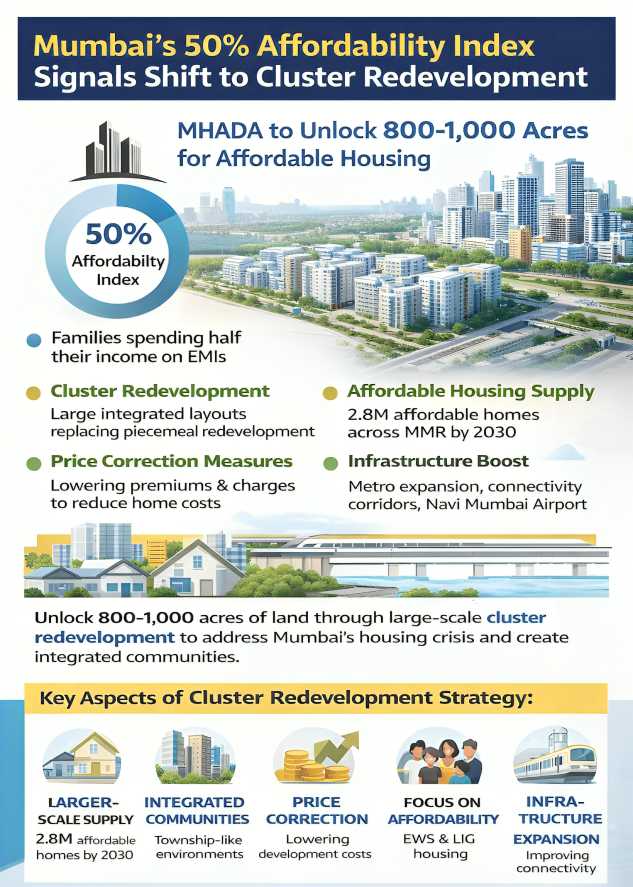
Housing affordability in Mumbai has reached a tipping point, with the city’s affordability index touching nearly 50% — indicating that an average household now spends close to half its income on home loan EMIs. Against the backdrop of shrinking land availability and ageing building stock, the Maharashtra Housing and Area Development Authority (MHADA) has unveiled an ambitious strategy centered on large-scale cluster redevelopment to structurally tackle the crisis.
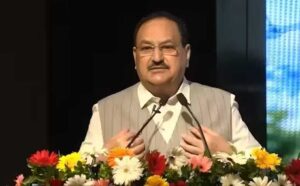
Speaking at a real estate industry forum, Sanjeev Jaiswal (IAS), Vice President and CEO of MHADA, outlined a transformative roadmap aimed at overhauling Mumbai’s traditional redevelopment model. Instead of isolated building-by-building reconstruction, MHADA plans to unlock 800–1,000 acres through integrated cluster projects — a scale unprecedented in the city’s planning history.
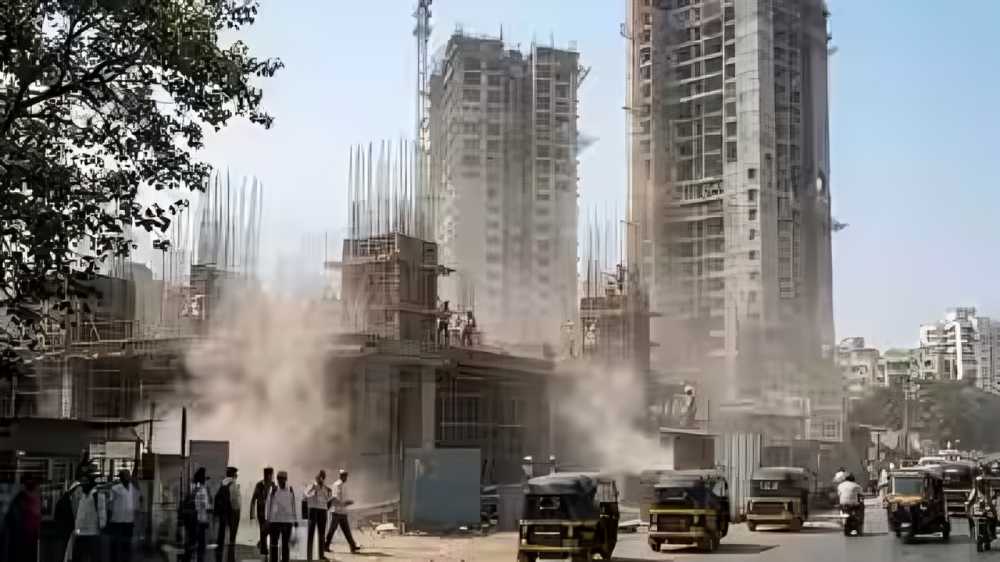
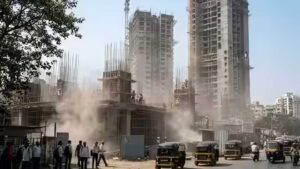
Nearly 90% of Mumbai’s developable land has already been consumed, making fragmented redevelopment increasingly inefficient. Projects executed in isolation often lead to overcrowded layouts, inadequate open spaces, and strained civic infrastructure. Cluster redevelopment, by contrast, aggregates multiple land parcels into expansive layouts of 60 to 100 acres, enabling township-like ecosystems with wider roads, open areas, improved amenities, and upgraded infrastructure.
Advanced-stage projects such as GTB Nagar and Abhyudaya Nagar signal the shift toward this integrated approach, with several more clusters in the pipeline.
The affordability crunch has intensified pressure on middle-income and first-time buyers, while economically weaker sections (EWS) and low-income groups (LIG) remain particularly vulnerable amid rising land and construction costs. Jaiswal stressed that structural reforms — including rationalising premiums, development charges, and taxes — could reduce property prices in certain segments by up to 25%, significantly improving accessibility.
As part of a broader housing master plan, the Maharashtra government aims to deliver 2.8 million affordable homes across the Mumbai Metropolitan Region (MMR) by 2030, with MHADA playing a central implementation role. Around 0.8 million units are expected through direct and indirect schemes, while nearly 50,000 homes have already been delivered in the past two-and-a-half years.
Looking ahead, 60–70 per cent of new housing supply is projected to emerge from approved or pipeline cluster redevelopments, making integrated planning critical to long-term affordability.
Infrastructure expansion — including metro extensions, connectivity corridors, and the Navi Mumbai International Airport — is expected to further distribute housing demand across the MMR. However, Jaiswal cautioned that supply growth must be calibrated to avoid temporary oversupply.
By shifting from fragmented redevelopment to planned urban transformation, MHADA’s cluster strategy seeks not only to expand affordable housing but also to reshape Mumbai’s urban future with inclusivity, sustainability, and scale.
Source: Realty Today