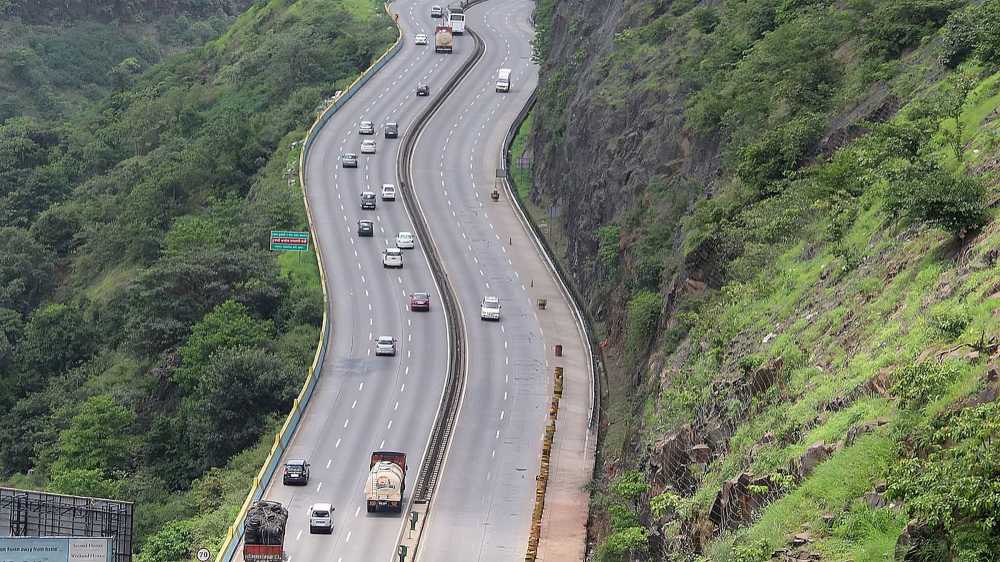

The Maharashtra government has initiated a comprehensive safety review of the Mumbai–Pune Expressway after a recent accident brought traffic on the crucial intercity corridor to a standstill for over 24 hours. The move signals a transition from ad-hoc traffic management to a broader, risk-based operational framework for one of India’s busiest highways.
The immediate catalyst was a hazardous materials incident near a tunnel stretch in the Khopoli region, which forced authorities to close the expressway for an extended duration. Thousands of motorists, bus passengers and freight operators were left stranded, with limited access to essential services. The episode exposed weaknesses in emergency response systems, inter-agency coordination and contingency-based traffic diversion strategies. Officials admitted during the state budget session that current operating systems have not evolved in line with increasing vehicle density and the rising transport of hazardous cargo.
Safety specialists have pointed to the lack of standardised procedures for handling chemical spills, fire outbreaks and large-scale evacuations on access-controlled highways. In response, the government has begun revisiting norms governing the movement of flammable and high-risk goods, while drafting updated emergency protocols.
Technology will play a central role in the overhaul. Authorities are expanding high-definition surveillance coverage to monitor speeding, unsafe manoeuvres and congestion patterns in real time. These systems are being connected to integrated command centres to enable swift traffic advisories and coordinated deployment of highway patrol, medical responders and district officials.
Emergency medical access is also under review, with proposals for quicker ground evacuation and defined transfer timelines to major hospitals in Mumbai and Pune during the critical “golden hour.” While night-time air evacuation remains limited, priority is being given to strengthening on-ground response capabilities.
Planners believe improved incident clearance and smoother traffic flow could also curb emissions caused by prolonged idling. If executed effectively, the revamp may serve as a model for strengthening resilience on other high-capacity corridors across Maharashtra.
Source: Urban Acres