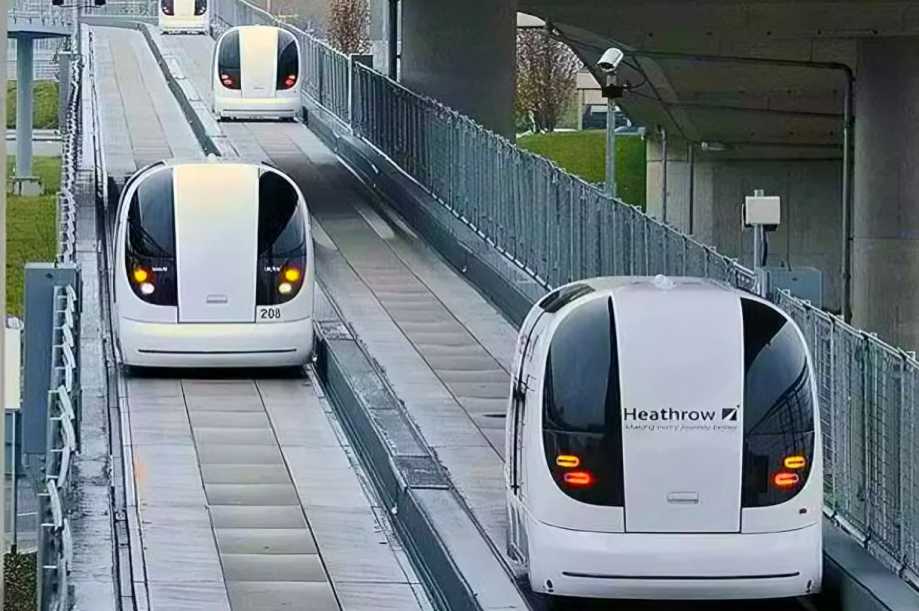

Mumbai is set to launch India’s first pod taxi network, aimed at enhancing last-mile connectivity in the city’s bustling Bandra Kurla Complex (BKC). The 8.8-kilometre elevated corridor will connect key commercial hubs and railway stations, but experts caution that while innovative, the project alone cannot solve the city’s persistent transport inefficiencies.
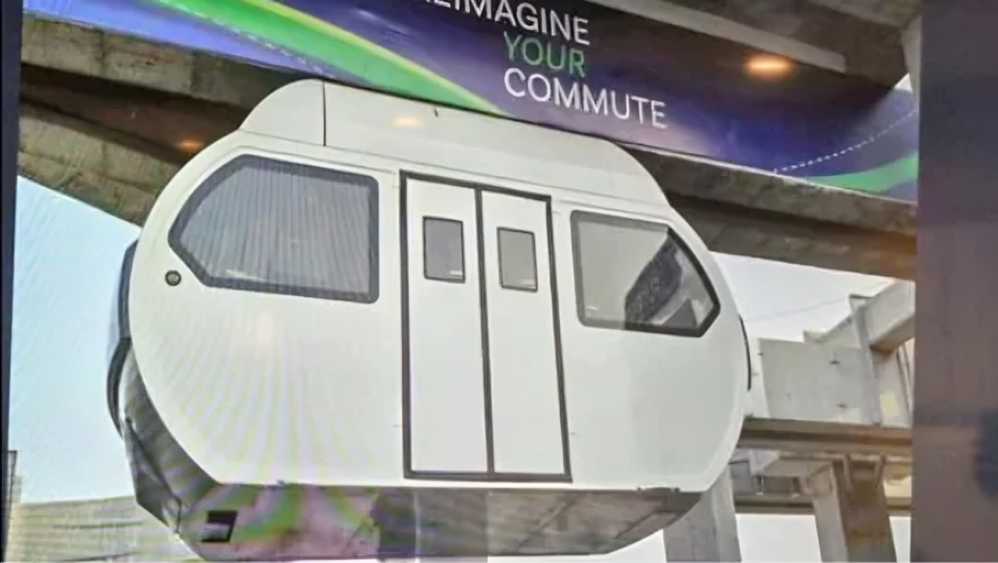
Developed through a Rs 1,016-crore public-private partnership, the driverless electric pods will carry five to eight passengers on dedicated guideways with 38 stops. Key connections include Bandra and Kurla stations, Jio World Centre, Bharat Diamond Bourse, SEBI, and NSE. Pods will operate on demand at speeds up to 40 kmph, offering zero-emission, point-to-point travel. The Mumbai Metropolitan Region Development Authority (MMRDA) expects construction to begin soon, with operations targeted by 2027 under a Design-Finance-Build-Operate-Transfer (DFBOT) model.
“This system will boost last-mile connectivity, help reduce congestion and provide a new, efficient mode of transportation,” an MMRDA official said. Delhi, too, has proposed pod taxis for high-density corridors like Rohini-Rithala and Narela.
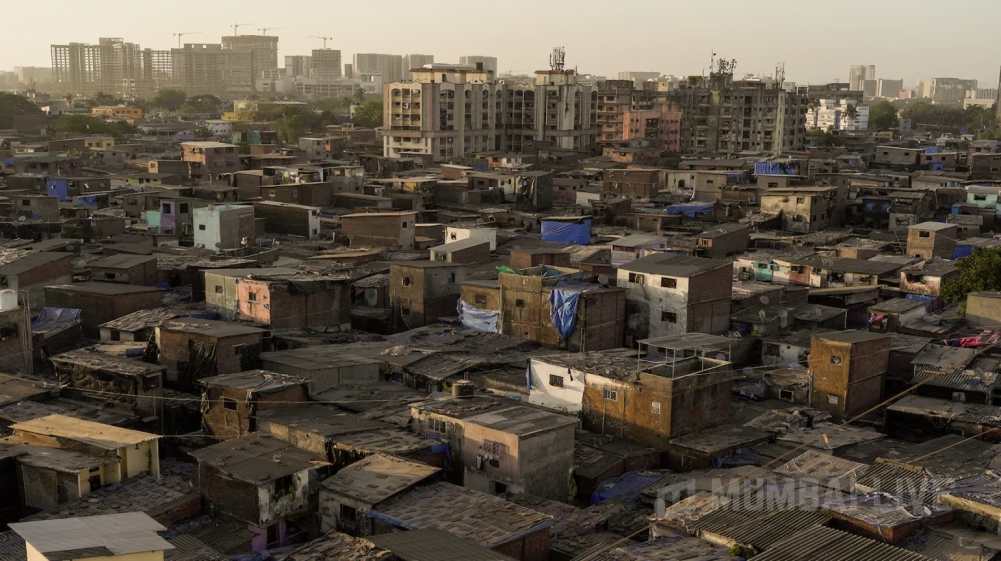
Yet experts stress that pod taxis alone cannot address systemic last-mile gaps. Across Indian megacities, including Mumbai, Delhi, Bengaluru, and Chennai, Metro networks have expanded rapidly. Delhi Metro, for instance, spans nearly 400 kilometres. But reaching homes, offices, and other destinations from stations remains chaotic, with unregulated e-rickshaws, shared autos, congested junctions, and encroached footpaths creating long delays for short trips.
A 2025 ICCT study noted that six out of ten trips in Delhi are under four kilometres, yet public transport is dominated by long-haul buses. The World Resources Institute found that last-mile segments make up just 18% of total travel distance but account for 40% of travel time and 48% of cost. Amit Bhatt of ICCT said, “The real problem is that the last mile is no one’s problem. Metros are planned in isolation, road agencies build roads, and transport undertakings run buses. To bridge this gap, we need empowered and financially independent unified transport authorities.”
Efforts like feeder buses and app-based shuttles have had limited success. Non-motorised solutions such as footpaths, cycle tracks, and public bike schemes remain fragmented and unsafe. Shreya Gadepalli, mobility expert, noted, “Walking remains the most efficient way to cover the last mile, provided it is safe, short, and ideally under five minutes.”
Delhi is adopting a “neighbourhood-first” bus approach with small electric buses connecting colonies to Metro stations, a strategy Gadepalli believes offers more tangible benefits than costly projects like pod taxis.
Former IAS officer OP Agarwal views Mumbai’s BKC pod taxi as a “not a bad idea” for commercial hubs but emphasizes institutional reform. “Unified transport authorities have already been set up in several cities. They cannot keep waiting for powers,” he said, adding, “The lack of power cannot be a permanent alibi to avoid meaningful work on the basics.”
Experts agree: pod taxis may improve targeted corridors, but solving India’s last-mile challenge requires unified planning, investment in safe pedestrian and bus infrastructure, and accountable transport governance.
Source: Hindustan Times