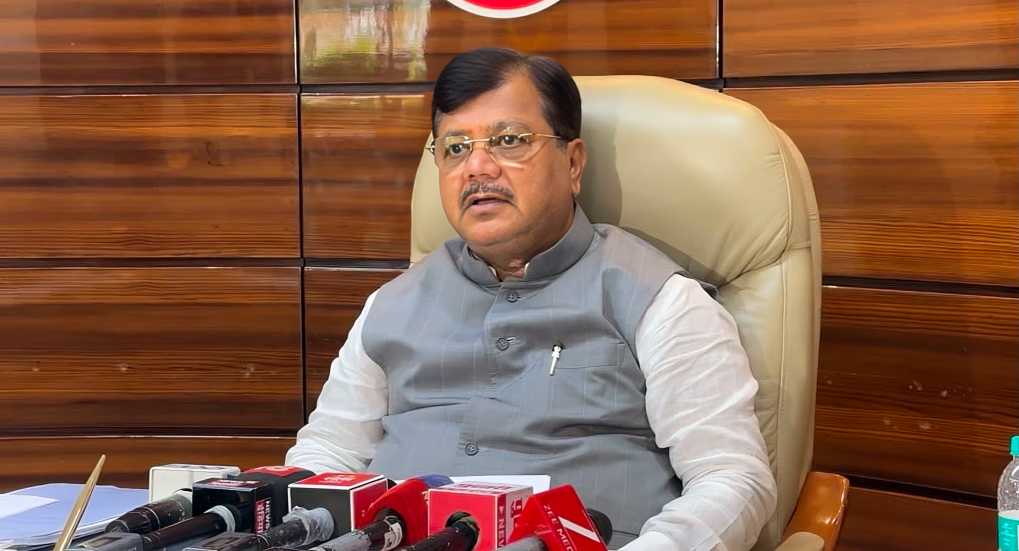

Once considered a distant fringe of Mumbai, Raigad district is gradually emerging as a key real estate frontier in the region. Major infrastructure developments such as the Navi Mumbai International Airport and the Mumbai Trans Harbour Link are drawing increasing attention from investors, developers and planners. In a conversation with Realty+, Parish Kapse, Co-Founder and Director of Team One Architects, shared insights on whether the recent land rush in the district reflects speculation or a deeper structural transformation.
According to a study by CRE Matrix, nearly 900 plots were sold in Raigad in 2024. Kapse said the trend reflects a mix of speculative buying and the early stages of genuine end-user demand. He explained that many investors are anticipating price appreciation due to upcoming infrastructure, particularly projects linked to the airport and the Navi Mumbai Airport Influence Notified Area (NAINA).
At the same time, the region is gradually attracting lifestyle-oriented residential demand. “There are also clear indicators that the peripheral market is gradually transitioning toward lifestyle oriented residential use, including second homes, along with assisted living and weekend villas,” Kapse noted.
He added that the plotted development market in Raigad is moving beyond simple land banking and will increasingly require planned residential communities. According to him, future developments should focus on integrated gated townships with proper infrastructure, landscaping and architectural planning rather than fragmented land subdivisions.
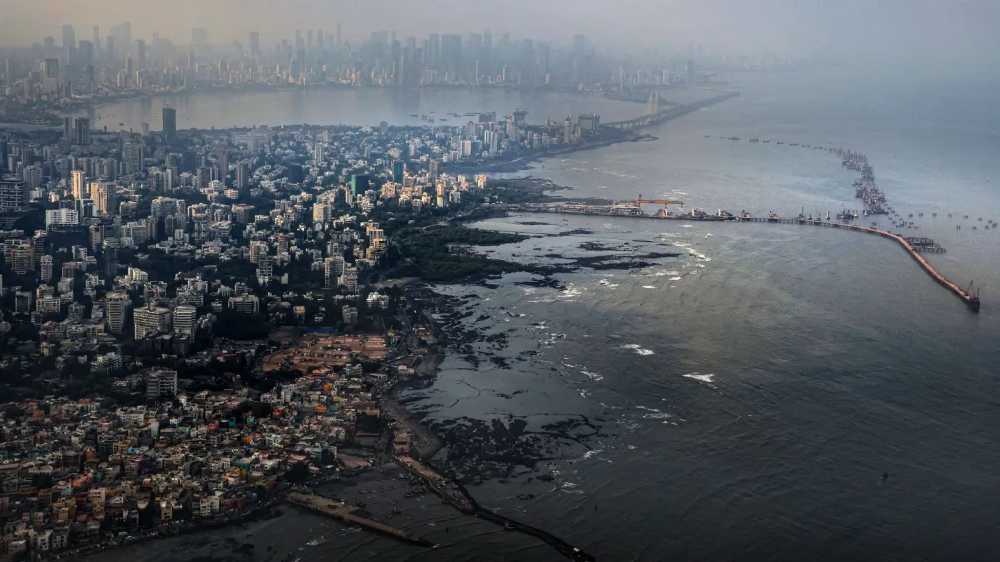
Infrastructure connectivity remains a key driver behind the district’s transformation. The development of the airport and the operationalisation of the Mumbai Trans Harbour Link have significantly improved access between Mumbai, Navi Mumbai and Raigad, making the district more attractive for both residential and commercial expansion.
Kapse also pointed out that institutional investment signals are beginning to reshape the market. Land leasing by the Maharashtra State Road Development Corporation and consolidation by listed developers indicate a shift toward more structured growth.
He believes the region could evolve into a hub for second homes, villa communities, hospitality projects and institutional campuses in the coming years. However, regulatory complexity remains a challenge, with multiple planning authorities involved in approvals.
“From an architect’s perspective, the greatest challenge in newly developing corridors like Raigad is ensuring that physical growth does not outpace socio economic infrastructure and everyday liveability,” Kapse said, emphasising the importance of long-term urban planning and integrated development strategies.
Source: Realty Plus