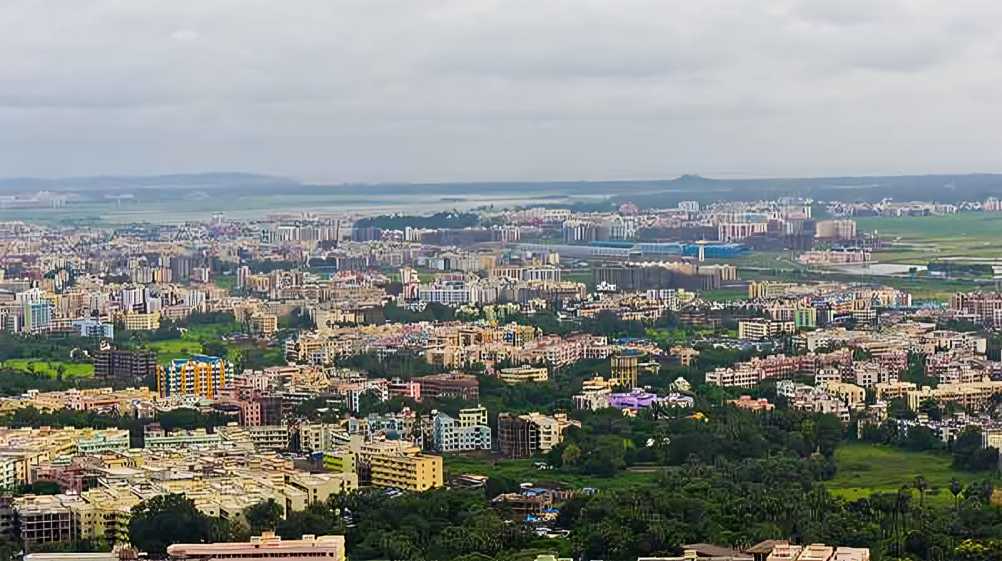

The growing influence of wealth and capital is steadily transforming the rural hinterland surrounding Mumbai, with corporates and affluent individuals increasingly acquiring land across neighbouring districts. What began as a limited expansion into the Thane district and the Raigad district has now extended deeper into the Konkan belt, reaching the Sindhudurg district in the south and the Palghar district in the north.
Early signs of this trend were visible in Alibaug, where Mumbai’s affluent began building second homes and weekend bungalows, often accessing them via private yachts from the Gateway of India. Over time, this activity has intensified, with large developers now undertaking expansive projects spanning several hectares, targeting high-end buyers.
Activist Marcus Dabre has highlighted similar patterns of transformation in regions like Vasai-Virar, where policy decisions in the 1980s converted vast no-development zones into urban land. Once known for agriculture and natural resources, these areas have since evolved into dense urban centres, reflecting the long-term impact of such shifts.
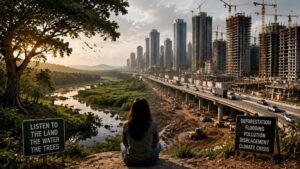
The trend is also tied to broader socio-economic dynamics. Disillusionment with congested urban life is pushing the affluent toward rural retreats, while developers are capitalising on this demand. However, this expansion raises concerns about displacement, environmental degradation, and the erosion of traditional rural economies.
Historically, writers such as Munshi Premchand and Phanishwar Nath Renu have depicted the complexities of rural life, challenging romanticised notions of the countryside. Thinkers like B. R. Ambedkar and Mahatma Gandhi also offered contrasting visions—urban migration versus rural empowerment.
Today, infrastructure projects such as metro corridors and regional development plans are further accelerating land acquisition in peripheral areas. While these initiatives aim to enhance connectivity and growth, critics argue they may also facilitate speculative land purchases and unequal development. As Mumbai’s footprint expands, the challenge remains to balance growth with equity, ensuring that rural communities are not sidelined in the process.
Source: Counter Currents