
Mumbai is exploring the development of an extensive underground pedestrian network to improve connectivity between key Metro stations and major commercial destinations in business districts such as Bandra Kurla Complex and Worli. The proposal is tied to the operationalisation of Mumbai Metro Line 3 and aims to strengthen last-mile connectivity while easing congestion on surface roads.
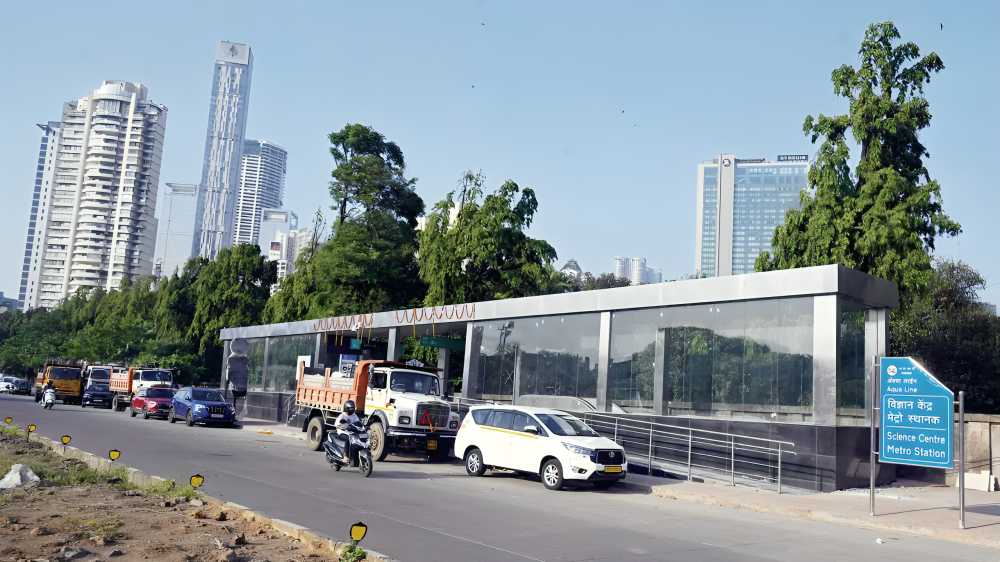
Authorities are currently assessing plans for nearly three kilometres of underground walkways that would connect stations like BKC and Science Centre directly to offices, public spaces, and the Worli seafront. The idea is to create an integrated system that allows commuters to move seamlessly between transit points and surrounding urban areas without relying on congested streets.
Urban mobility experts believe the initiative could address a long-standing gap in Mumbai’s transport ecosystem — the lack of efficient last-mile links. Many commuters today are forced to navigate crowded roads or informal access routes after exiting Metro stations. A structured underground network could provide safer, weather-protected pathways and improve the overall commuting experience, potentially encouraging greater use of public transport.
The concept draws inspiration from global cities such as Tokyo, where extensive underground corridors serve not only as transit connectors but also as vibrant commercial spaces. Similar infrastructure in Mumbai could support retail activity, create additional revenue streams, and make better use of limited urban land.
From a real estate standpoint, improved pedestrian access is expected to boost the appeal of commercial hubs by increasing footfall and supporting higher occupancy levels. In dense areas like BKC, such infrastructure can help sustain growth without adding pressure on road networks.
Experts, however, stress that success will depend on thoughtful design. Factors such as lighting, ventilation, safety, and universal accessibility will be critical to ensure widespread usage. If executed well, the project could reshape how people navigate Mumbai’s business districts while promoting a more pedestrian-friendly and sustainable urban environment.
Source: Urban Acres