
In a move aimed at reducing congestion and improving daily travel, the Ministry of Railways has cleared multiple phases of the Mumbai Urban Transport Project (MUTP), including MUTP-II, MUTP-III and MUTP-IIIA. These initiatives are designed to expand the capacity of the Mumbai Suburban Railway and address long-standing challenges faced by commuters.
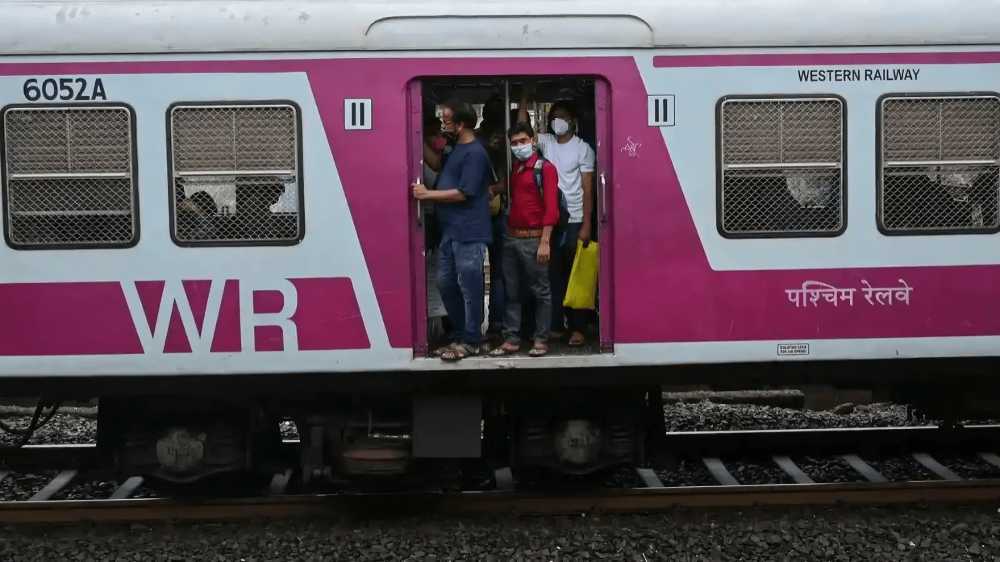
For years, Mumbai’s suburban rail network has struggled with overcrowded trains, packed platforms and extended waiting times, impacting millions of daily passengers. The newly approved projects aim to ease this pressure by strengthening infrastructure and increasing service capacity across key corridors.
Under the plan, MUTP-II has been sanctioned with an outlay of Rs 8,087 crore, while MUTP-III and MUTP-IIIA have been approved with investments of Rs 10,947 crore and Rs 33,690 crore, respectively. These projects focus on expanding rail lines, upgrading corridors and enhancing operational efficiency across the network.
A major component of the expansion includes the introduction of modern 12-car trains. The ministry has approved 238 such rakes under MUTP-III and MUTP-IIIA, with a combined investment of Rs 19,293 crore. These new-generation trains are expected to significantly improve capacity and provide a more comfortable commuting experience once deployed.
Currently, Mumbai’s suburban system operates around 3,200 suburban train services daily, along with about 120 originating Mail and Express trains. This reflects one of the busiest rail networks in the world, catering to extremely high passenger volumes.
With the planned upgrades and additions, authorities expect improvements in travel time, reduced crowding and smoother operations. The expansion is also expected to enhance connectivity across the city and its suburbs, offering relief to millions who rely on the rail network for their daily commute.
The MUTP initiatives mark a significant step towards modernising Mumbai’s rail infrastructure and addressing the growing demand for efficient urban transport.
Source: The Financial Express