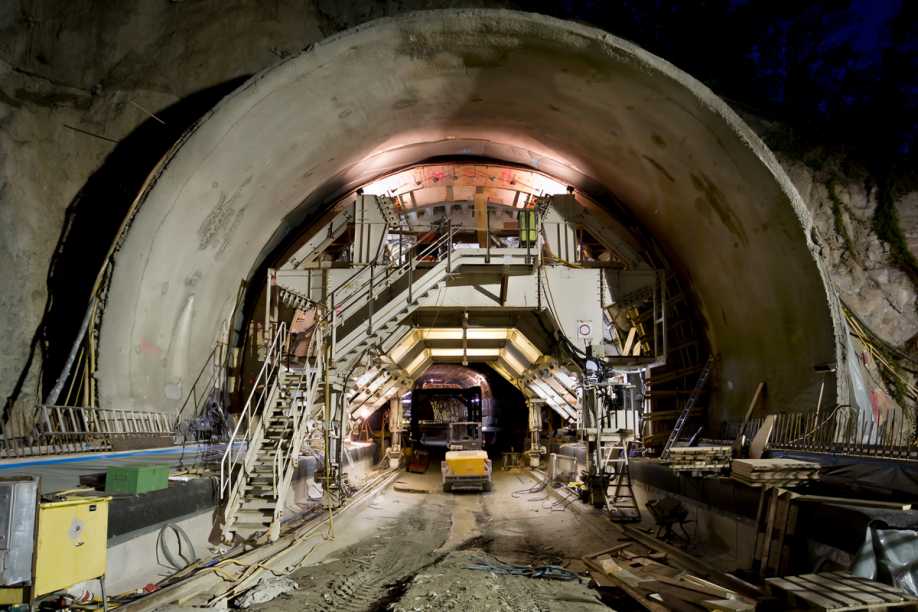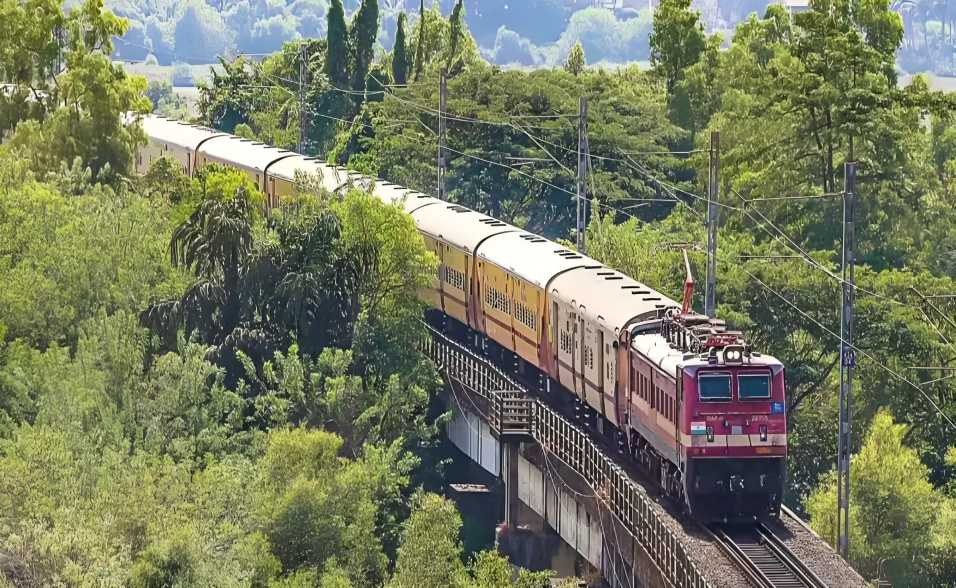

A long-awaited rail project aimed at directly connecting Mumbai’s western suburbs with the Konkan region has gained fresh momentum, with authorities initiating key land measurement and verification processes. The development marks an important step toward unlocking the next phase of construction for this strategic corridor.
The proposed rail link, connecting Vasai, Naigaon, and Juchandra, is designed to eliminate current detours and significantly cut travel time for passengers travelling between Mumbai and coastal Maharashtra. Once completed, the route is expected to enhance regional connectivity while easing congestion on existing suburban and long-distance railway networks.
Officials have indicated that a joint land verification exercise involving district authorities, forest departments, and railway officials will be undertaken soon. This process is crucial for finalising land acquisition, which remains the last major hurdle before full-scale construction can commence.
Approved in 2023, the project covers a relatively short yet critical stretch and is expected to improve integration between the Western and Central Railway corridors. By enabling smoother interconnectivity, the link could reduce travel durations by several hours, particularly for passengers who currently rely on congested interchange routes.
However, progress is closely tied to regulatory approvals and environmental clearances. Parts of the proposed alignment pass through ecologically sensitive zones, including mangrove areas, which play a vital role in flood protection and biodiversity conservation. Authorities are therefore working to balance infrastructure development with environmental safeguards, including measures such as alignment optimisation and compensatory afforestation.
The project is also aligned with broader efforts to promote rail as a sustainable alternative to road transport, offering lower emissions and reduced highway congestion. Despite its relatively modest cost, the corridor is expected to deliver significant gains in connectivity, economic activity, and regional mobility.
As surveys and clearances advance, attention will shift to execution timelines and inter-agency coordination, which will be critical to ensuring timely and environmentally responsible implementation.
Source: Urban Acres