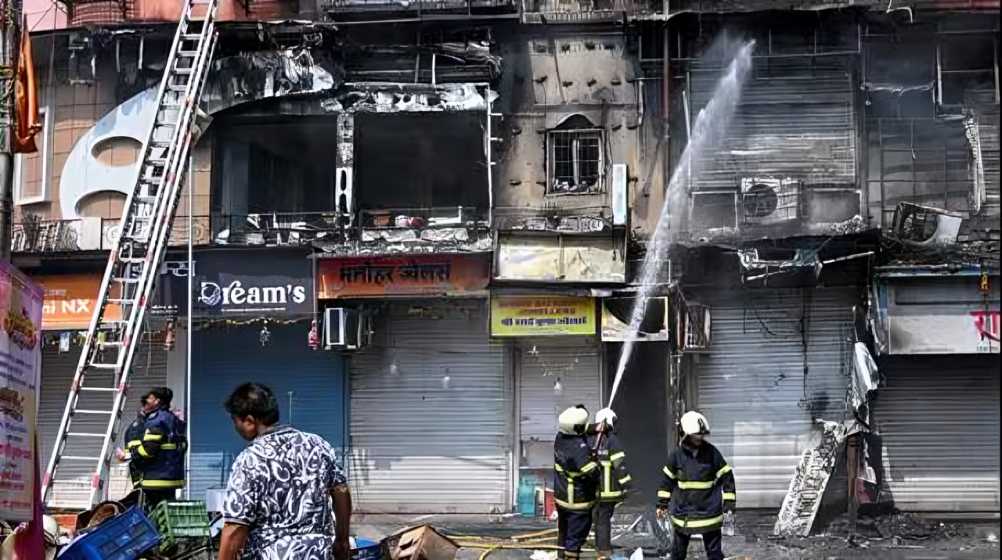

The Brihanmumbai Municipal Corporation (BMC) has raised alarms over procedural gaps in managing dangerous, or C-1 category, buildings across the city and has directed ward officials to strictly adhere to established guidelines. The civic body warned that non-compliance could result in both disciplinary and legal action against responsible personnel.
A circular issued last week highlighted that multiple ward offices were not following the standard operating procedures outlined in prior administrative orders and court-backed directives. These procedures, recommended by the Bombay High Court, are designed to ensure timely identification, evacuation, and enforcement action on unsafe structures, particularly in high-risk zones.
The BMC also flagged inconsistencies in updating the encroachment eradication monitoring and management system (EEMS), a digital platform created to track enforcement activities and maintain transparency. Incomplete records, missing entries, and irregular documentation have raised concerns over accountability.
The issue gained attention after procedural lapses were noted in a dilapidated building case in Prabhadevi, where required processes were not properly followed. This prompted the civic body to re-emphasize guidelines and tighten oversight across all wards.
Beyond dangerous structures, the BMC identified irregularities in redevelopment projects under the Development Control and Promotion Regulations (DCPR) 2034, especially for old, tenant-occupied properties. Officials noted that verification of occupied areas, documentation, and certification processes were often bypassed, leading to potential discrepancies and financial risks for the civic body.
The circular clearly stated that all actions—from issuing notices to final enforcement—must be properly documented and updated in the system. Responsibility extends to civic officials, consultants, and developers in cases where violations are detected.
Mumbai continues to face challenges with ageing and unsafe buildings, particularly before the monsoon, when structural risks rise. While the BMC has implemented stricter classification systems, evacuation protocols, and digital monitoring tools over the years, the latest findings reveal persistent gaps in ground-level execution.
Source: Prop News Time