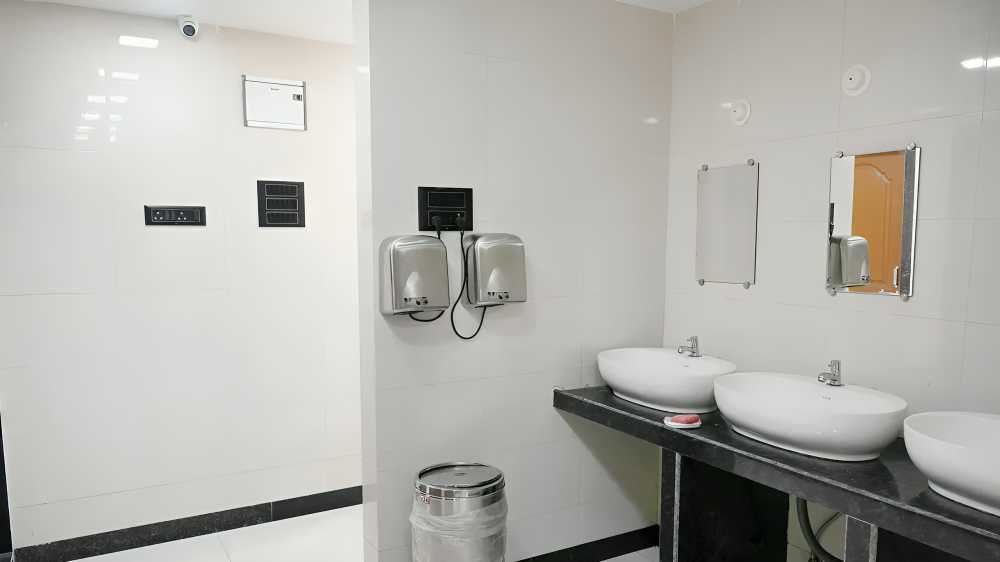

Mumbai’s civic body, the Brihanmumbai Municipal Corporation, has begun introducing a new generation of upgraded public toilets across prominent locations in the island city, marking a shift towards more user-focused and inclusive urban infrastructure. Branded as “aspirational public toilets,” the initiative seeks to improve hygiene standards at high-footfall areas while addressing long-standing concerns around access, dignity, and upkeep.
The first phase includes seven facilities installed in South Mumbai, covering busy zones such as heritage precincts, commercial districts, and government areas. These locations were selected due to heavy daily footfall from tourists, office-goers, and workers from the informal sector. Civic officials have indicated that the model will soon be expanded to suburban areas, with several additional sites already identified through internal assessments.
Unlike traditional pay-and-use toilets, these upgraded units are designed to match the quality of facilities found in modern commercial spaces. They feature accessible layouts for persons with disabilities, gender-inclusive design elements, and dedicated sections for women, including baby care areas. Additional features such as sanitary vending machines, improved ventilation, and mechanised cleaning systems reflect an effort to meet evolving urban standards.
Urban experts see this move as part of a broader rethink of how essential services are delivered in Indian cities. Public sanitation, often overlooked, is now being recognised as critical to public health, tourism, and workforce participation, particularly in a city like Mumbai where economic activity runs round the clock.
However, scaling such facilities presents challenges. Limited urban space, especially in dense areas, often requires the use of footpaths or marginal land, raising concerns about pedestrian movement. Sustaining maintenance standards is another key issue, as these facilities demand regular funding, trained personnel, and strong monitoring systems.
The project is being supported through dedicated sanitation funding, with an emphasis on long-term upkeep rather than one-time construction. Some units also incorporate eco-friendly features like solar panels and water-saving systems, aligning with broader sustainability goals.
Source: Urban Acres