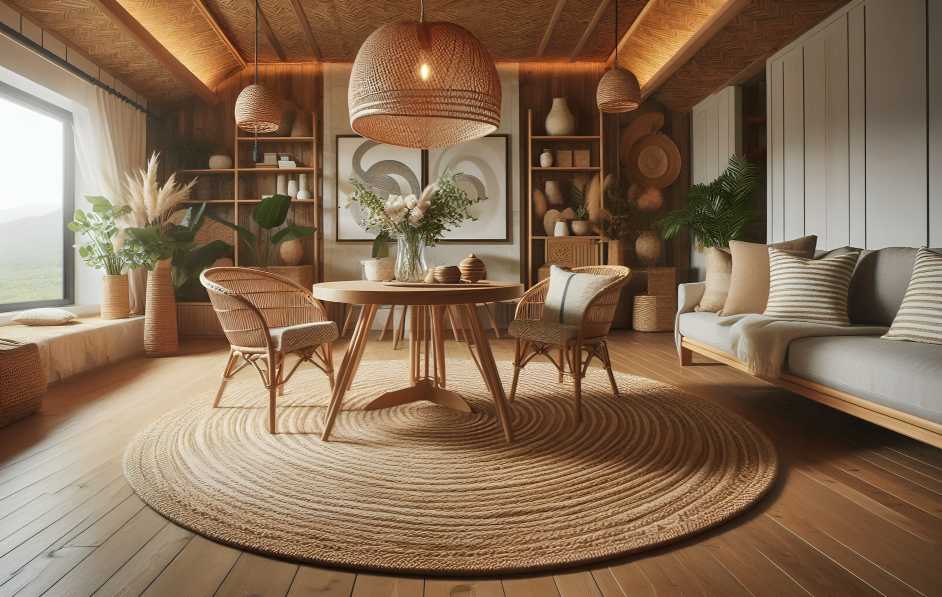


Sustainable décor in India is no longer just a design trend – it is becoming a lifestyle choice rooted in health, individuality, and a deeper connection with nature. This shift is part of a larger movement, with India now ranking among the top three countries globally for green building adoption, reflecting a growing preference for environmentally conscious living. As homeowners move beyond purely visual appeal, they are embracing interiors that feel good, tell stories, and contribute positively to both personal well-being and the environment.
One of the most significant changes is the growing preference for natural and sustainable materials. Materials like bamboo, rattan, reclaimed wood, jute, and organic cotton are replacing synthetic alternatives in modern Indian homes. This transition is not only environmentally responsible but also healthier. Many conventional décor materials – such as treated wood, plastic laminates, and synthetic fabrics – can release harmful chemicals like volatile organic compounds into the air. Studies suggest that indoor air can be 2-5 times more polluted than outdoor air, making material choices critical for long-term health. In contrast, natural materials are typically non-toxic, breathable, and safer for everyday use. They also regulate temperature and humidity more effectively, making living spaces more comfortable across India’s diverse climate conditions.
Another key factor driving the popularity of sustainable décor is the desire for uniqueness through handmade products. In an era dominated by mass production, factory-made décor often lacks individuality, resulting in homes that look strikingly similar. Indian consumers are increasingly moving away from this uniformity and turning toward handcrafted pieces created by local artisans. India’s handicrafts sector employs over seven million artisans, making it not just a cultural asset but also a vital source of livelihood. Whether it’s handwoven rugs, carved wooden furniture, or pottery, each item carries a story and a human touch that adds character to a space. Choosing handmade over machine-made allows homeowners to support traditional craftsmanship while creating interiors that feel personal and distinctive.
Equally influential is the growing desire to bring elements of nature indoors. Urban living, especially in densely populated cities, often limits daily interaction with natural environments. As a response, homeowners are incorporating greenery and natural elements into their interiors to recreate that connection. Indoor plants, natural light, and earthy textures are becoming central to home design. This approach – often associated with biophilic design – has proven benefits.
Research indicates that incorporating natural elements into interiors can reduce stress levels by up to 30% and improve overall well-being. Even small additions like potted plants or stone accents can transform the atmosphere of a space, making it feel calmer and more grounded. This integration of nature also complements the use of sustainable materials and handmade décor. A bamboo chair, a handwoven jute rug, and a corner filled with plants together create a cohesive environment that feels organic and balanced. It’s not just about decorating a house – it’s about designing a living ecosystem that nurtures both the people inside and the planet outside.
Ultimately, the rise of sustainable décor in India reflects a broader cultural shift in consumer behavior. Studies show that nearly 70% of Indian consumers are willing to pay more for sustainable products, highlighting a growing preference for mindful consumption. People are prioritising quality over quantity, authenticity over uniformity, and well-being over short-term convenience. Sustainable décor is no longer seen as an alternative; it is steadily becoming the preferred way to create spaces that are beautiful, meaningful, and in harmony with nature.
- The Author is an Architect-Manager at Avighna Group, a premier Mumbai-based real estate developer.