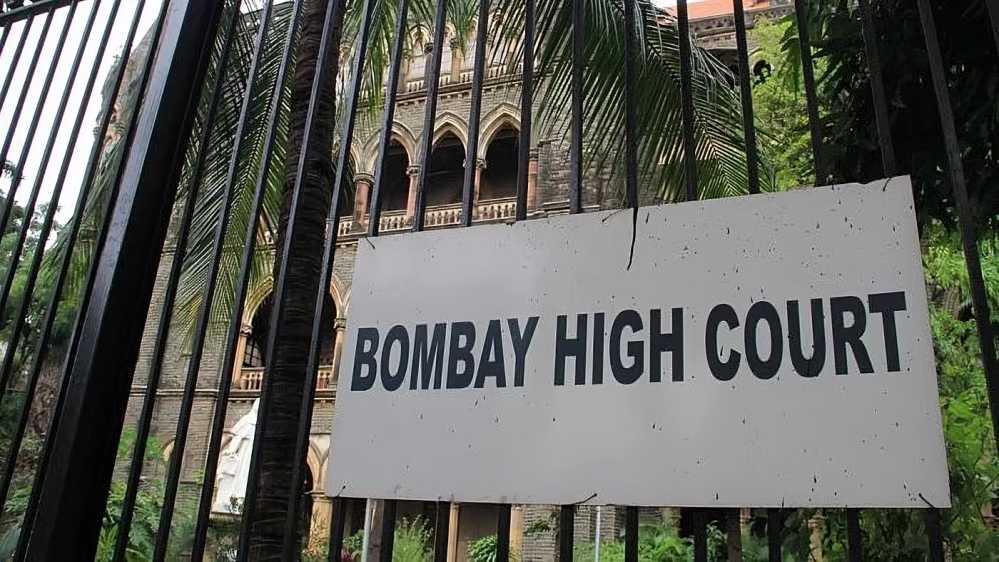

The Bombay High Court has upheld the redevelopment approval for a 16-storey residential building on Altamount Road, dismissing a public interest litigation (PIL) that had challenged the project. The petition, filed by a residents’ committee, had alleged that the permissions granted by civic authorities were arbitrary and not in compliance with planning norms.
The petitioners had raised concerns over alleged violations of Development Control Regulations, fire safety standards, and the potential impact of the redevelopment on the surrounding residential neighbourhood. They argued that the approvals did not adhere to prescribed rules and could adversely affect the locality.
In response, the authorities and the project developer maintained that all clearances were obtained in accordance with applicable regulations and due process. They submitted that the sanctioned plans complied with planning norms, including requirements related to open spaces, and that there were no irregularities in the approvals granted.
After examining the case, the court observed that the permissions had been issued several years ago and that the construction of the building had already been completed. It noted that the petition failed to demonstrate any significant public interest and appeared to challenge an already executed project rather than establish a clear violation of law.
The court further emphasised that judicial intervention in such matters is limited when statutory authorities act within their jurisdiction and follow prescribed procedures. In the absence of any procedural lapses or illegality, the court found no grounds to interfere with the approvals.
Accordingly, the High Court dismissed the PIL and vacated any interim directions that had been in place. The ruling reinforces the principle that redevelopment projects, once approved and executed in compliance with regulations, are unlikely to be overturned without clear evidence of legal violations.
Source: Prop News Time