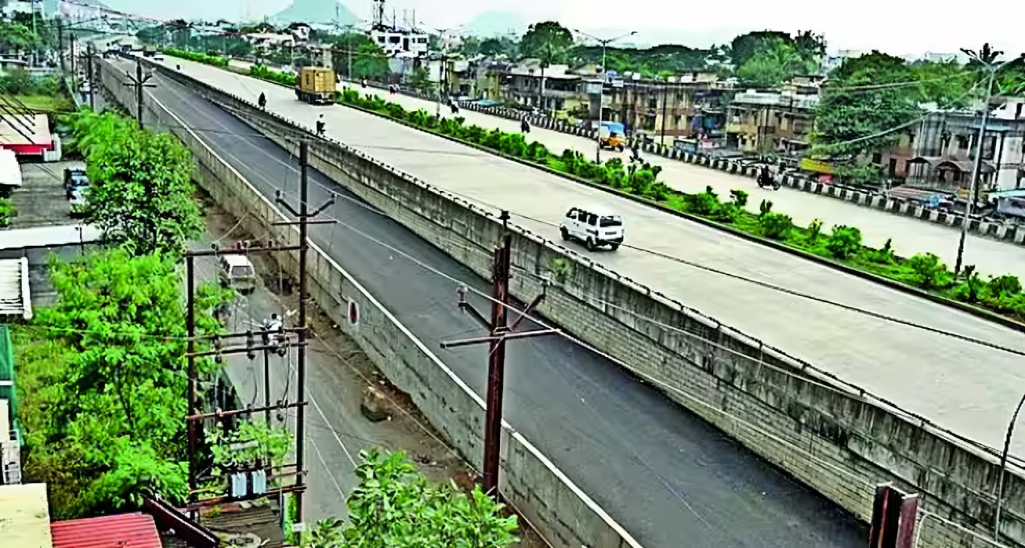
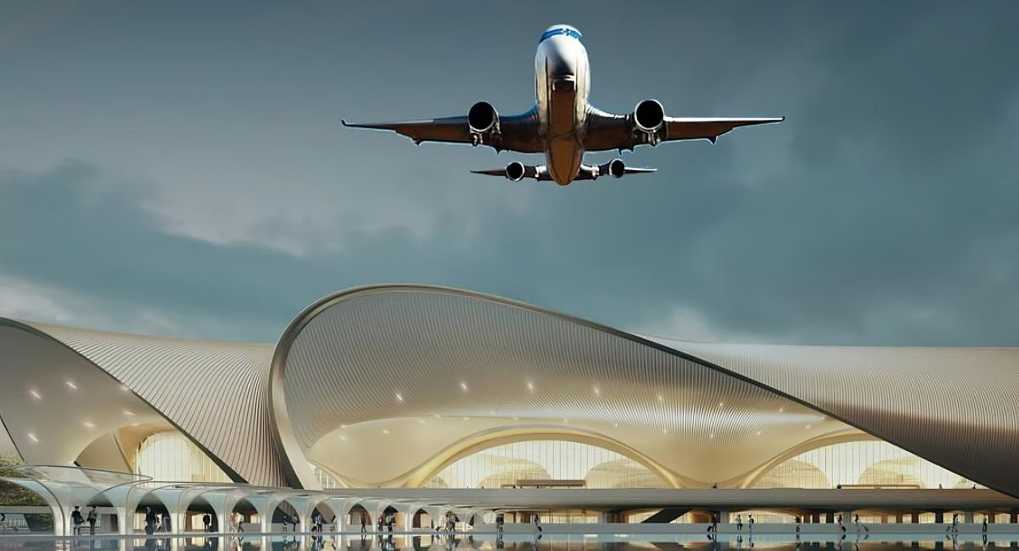
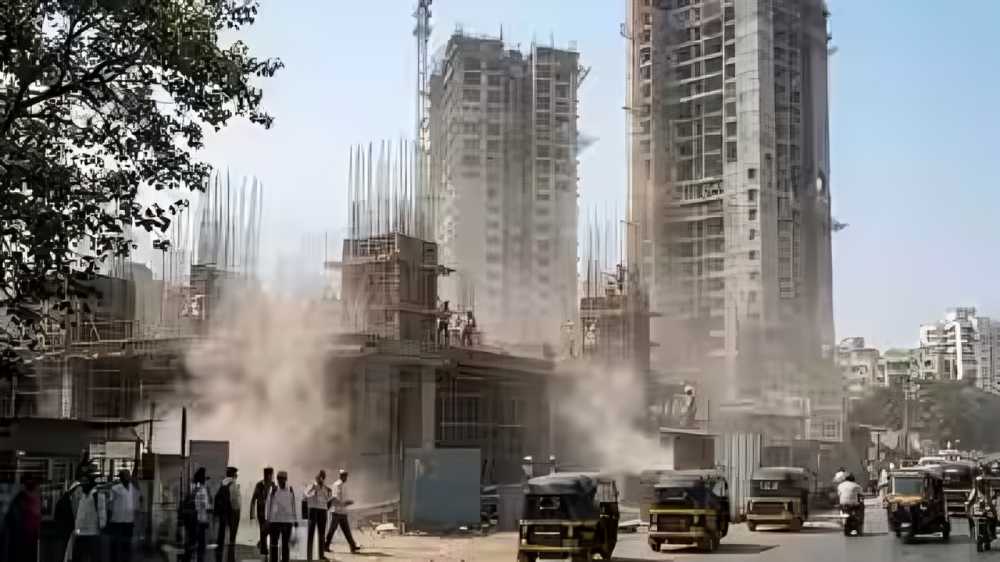
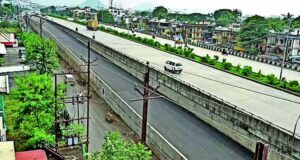
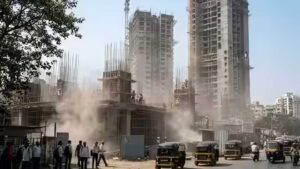
Marketed as a planned extension to ease pressure on Mumbai, Navi Mumbai continues to struggle with gaps between promise and reality. Despite landmark projects like the Mumbai Trans Harbour Link and the upcoming Navi Mumbai International Airport, residents and investors say everyday challenges persist.
While the Atal Setu symbolises improved connectivity, it has not significantly eased commuting for the average salaried population. Many still rely on crowded trains and fragmented last-mile options, making daily travel long and exhausting. For Anjali Pawar, who earlier worked in Andheri, the commute from Ulwe became unmanageable. “My office began at 11 am, but I had to leave by 8 am,” she said. “Between the Rs 30 shared autos to Nerul, the train to Kurla, another train to Ghatkopar, and the Metro to Sakinaka, I was spending Rs 4,000 to Rs 5,000 a month just to get to work. By the time I reached, I was already exhausted.” Eventually, she changed her profession to avoid the strain. “I chose to change my profession and job role rather than continue this daily marathon,” she said.
Although new infrastructure has reduced travel time in theory, its high cost limits accessibility. Tolls on the Atal Setu, reaching up to Rs 500 for a return trip, make it impractical for daily use, particularly for those without private vehicles.
Real estate expectations have also not fully materialised. Yogita Sawant, who invested in Ulwe, said returns have been modest. “We bought it for Rs 35 lakh, and today it’s barely worth Rs 43 lakh,” she said. “The rent is only Rs 8,000 to Rs 10,000 – nowhere near enough to cover the EMI. People don’t want to rent here because the commute is still a question mark.”
Within nodes, poor last-mile connectivity adds to the burden. Praful Pawar highlighted irregular train frequency and high local transport costs. “If you miss the train at Bamandongri, which runs every 30 minutes, you’re forced to take an auto, charging Rs 40 to Rs 50 for a short distance,” he said. “Bus queues can take 20 minutes just to board. After dusk, it becomes a safety issue for women and children.”
Even occasional travellers face similar concerns. Aasma Shaikh, who invested in Chouk, pointed to high toll expenses and safety issues. “Even using a car twice a week costs around Rs 2,000 in tolls. It’s not sustainable. And after dark, the lack of transport feels unsafe,” she said.
Experts say the challenge lies in integrating large-scale projects with accessible public transport. While some micro-markets have seen growth, uneven connectivity and low rental yields continue to limit the region’s full potential.
Source: Mumbai Mirror