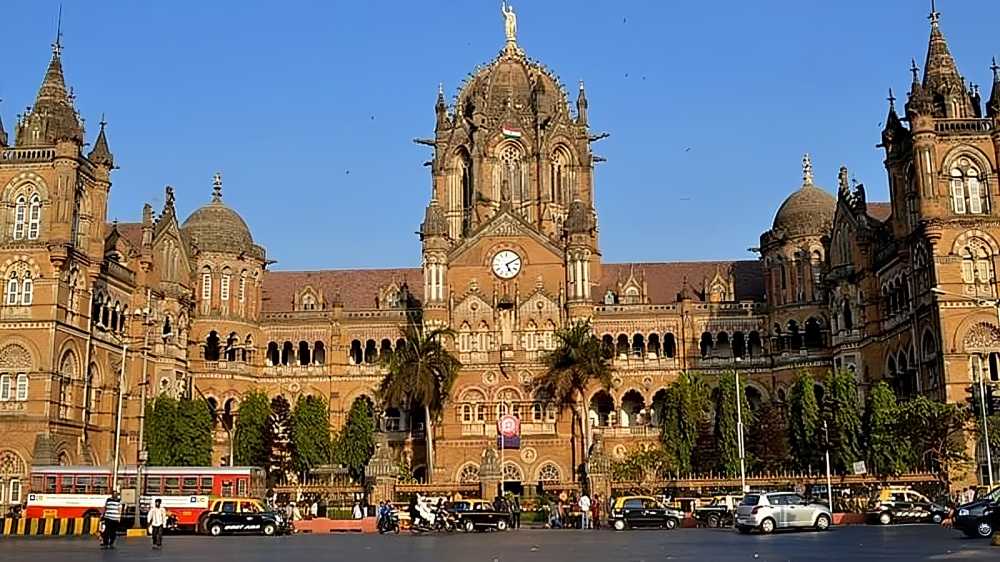

The ambitious redevelopment of Chhatrapati Shivaji Maharaj Terminus (CSMT) has encountered a temporary setback, with interior works slowing due to a shortage of gypsum triggered by ongoing geopolitical tensions in West Asia. Despite this, officials have clarified that the project’s core construction remains unaffected, with overall progress reaching 21.5%.
The shortage stems from disrupted imports of gypsum boards—primarily sourced from Saudi Arabia and Oman—following the Iran–US/Israel conflict. This has impacted interior refurbishment within Central Railway’s headquarters located inside the heritage structure. The Rail Land Development Authority (RLDA), which is overseeing the ₹2,450 crore project, has flagged the issue to Central Railway.
Railway authorities noted that several offices within the building were recently relocated to facilitate renovation, where gypsum plays a critical role in false ceilings, partitions, and wall finishes. “Gypsum boards are widely used for modern office interiors due to their ease of installation, fire resistance, and insulation properties. However, the ongoing conflict has disrupted supply and sharply increased costs of materials,” an RLDA official said.
While finishing work has slowed, officials emphasised that the main structural components of the redevelopment are progressing as planned. Visible activity continues near Platform 18 along P D’Mello Road, where an elevated deck is under construction. This structure will link suburban and long-distance sections, easing passenger movement within the station.
Additionally, an 85-day mega block—from February 1 to April 26—has been undertaken for foundational work on Platforms 16 and 17. During this period, operations from these platforms have been suspended, with some long-distance trains curtailed at Dadar and Thane. Suburban services, however, remain largely unaffected.
The project aims to transform the UNESCO World Heritage site into a modern, airport-style transit hub while retaining its iconic Victorian Gothic design. Key features include segregated arrival and departure areas, a large integrated concourse, multi-level parking, retail spaces, and the proposed ‘Rail-O-Polis’—a network of elevated decks and skywalks. Completion is targeted for 2027–28.
Source: The Free Press Journal