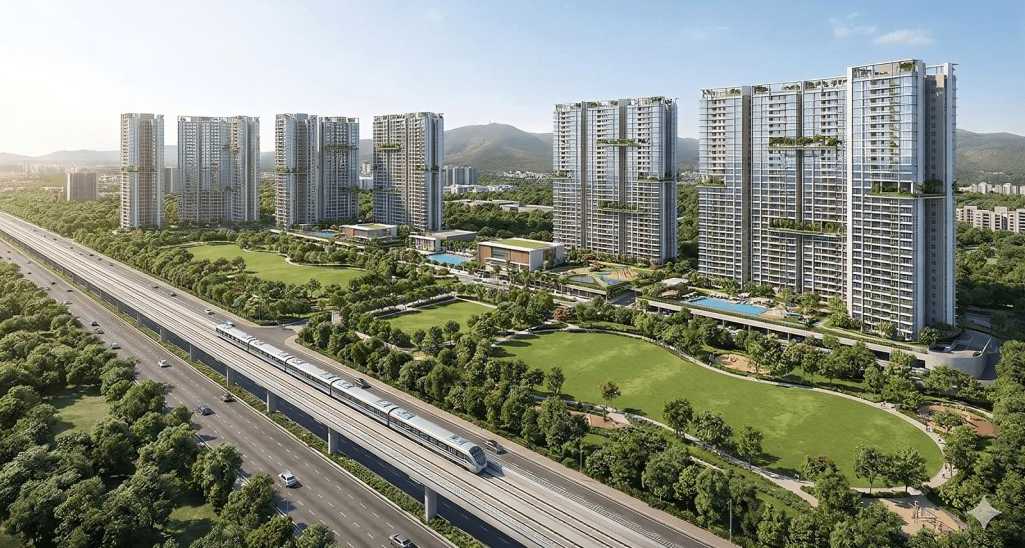

A recently cleared mid-scale redevelopment project in Mulund West is drawing attention to the pace at which Mumbai’s suburban housing landscape is evolving, particularly within older cooperative housing societies. The scheme, now approved for construction, is expected to introduce a mix of residential and commercial spaces, reflecting a broader trend of reimagining land use in space-constrained neighbourhoods.
Situated in a densely populated pocket, the project highlights the growing role of redevelopment in addressing ageing housing stock while unlocking greater land value. With a planned built-up area exceeding 1.5 lakh square feet, spanning both housing and commercial components, the development underscores Mumbai’s increasing reliance on vertical expansion rather than outward growth.
Urban planners observe that such projects are playing a key role in shaping suburban growth corridors. Areas like Mulund have emerged as attractive destinations due to their balance of connectivity and liveability, supported by access to major roads and suburban railway networks. As central Mumbai becomes increasingly saturated and expensive, peripheral locations are witnessing heightened interest from both homebuyers and investors.
However, redevelopment also brings challenges beyond real estate gains. Increased density can place additional pressure on civic infrastructure, including water supply, waste management systems and traffic networks. Without simultaneous upgrades to these services, municipal resources may face further strain. Experts emphasise that project approvals should be linked to commitments on sustainable infrastructure, including energy-efficient construction practices and improved stormwater management.
There are also social considerations. Redevelopment often replaces low-rise housing with high-rise towers, potentially altering long-established community structures. While residents may benefit from larger homes and modern amenities, the transition can disrupt existing social networks. Thoughtful planning, including adequate shared spaces and accessibility, is essential to preserve community cohesion.
From a market standpoint, the project’s expected revenue potential indicates steady demand in the micro-market. Analysts suggest that Mulund West could witness a gradual rise in property values as more such developments are completed, further encouraging redevelopment activity.
Ultimately, the success of these projects will depend on how well they align with broader sustainability priorities. As Mumbai faces increasing climate-related challenges such as flooding and heat stress, future redevelopment must focus on resilient design, lower carbon impact and equitable access to infrastructure.
Source: Urban Acres