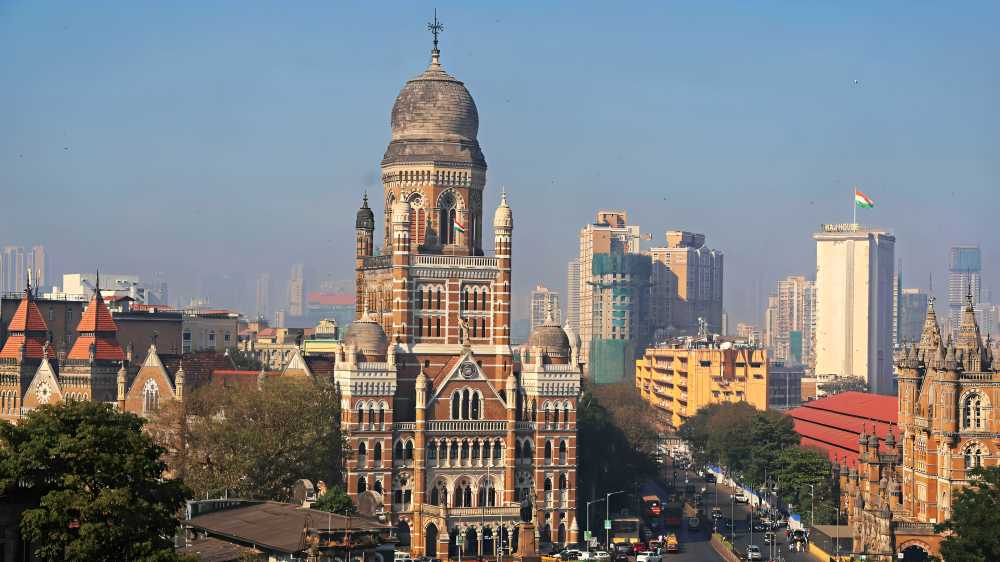

India is commemorating a defining moment in its transport history—the launch of the country’s first passenger train service on April 16, 1853. The historic journey, which ran from Bori Bunder in Mumbai to Thane, is widely regarded as the starting point of India’s railway network, now one of the largest in the world and a crucial lifeline for millions.
The inaugural service was operated by the Great Indian Peninsula Railway and covered a distance of around 34 kilometres. The journey took approximately one hour and ten minutes, a significant achievement in engineering and logistics for its time. The train consisted of 14 coaches and was powered by three steam locomotives—Sindh, Sultan, and Sahib.
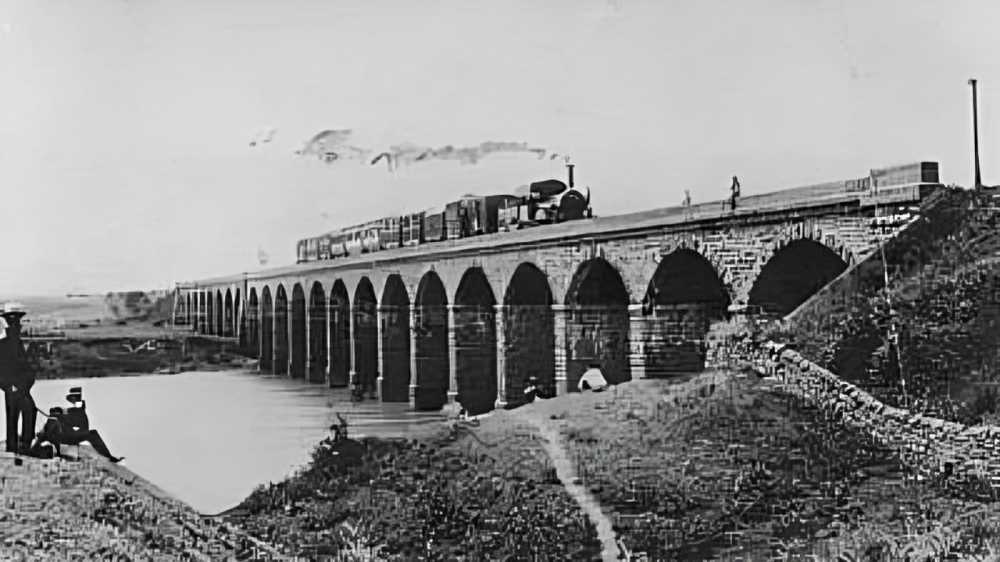
Nearly 400 passengers, primarily British officials and invited guests, travelled on this maiden run, witnessing what would go on to become a transformative development in India’s infrastructure landscape. The route also featured early engineering innovations, including the Tannah Viaduct, highlighting the technical advancements of the era.
The introduction of passenger rail services played a key role in enhancing connectivity, reducing travel time, and boosting trade and communication during the colonial period. Over the decades, the railway system has expanded dramatically, transitioning from steam-powered engines to electrified networks and the introduction of modern, high-speed rail initiatives.
Despite this evolution, the Mumbai–Thane corridor retains its historical significance as the birthplace of rail transport in the country. It stands as a reminder of how a single route helped shape the trajectory of India’s mobility and economic integration.
As India continues to upgrade and expand its transport infrastructure, the anniversary serves as a moment to reflect on the modest beginnings of a system that remains central to the nation’s growth, connectivity, and daily life.
Source: The Free Press Journal