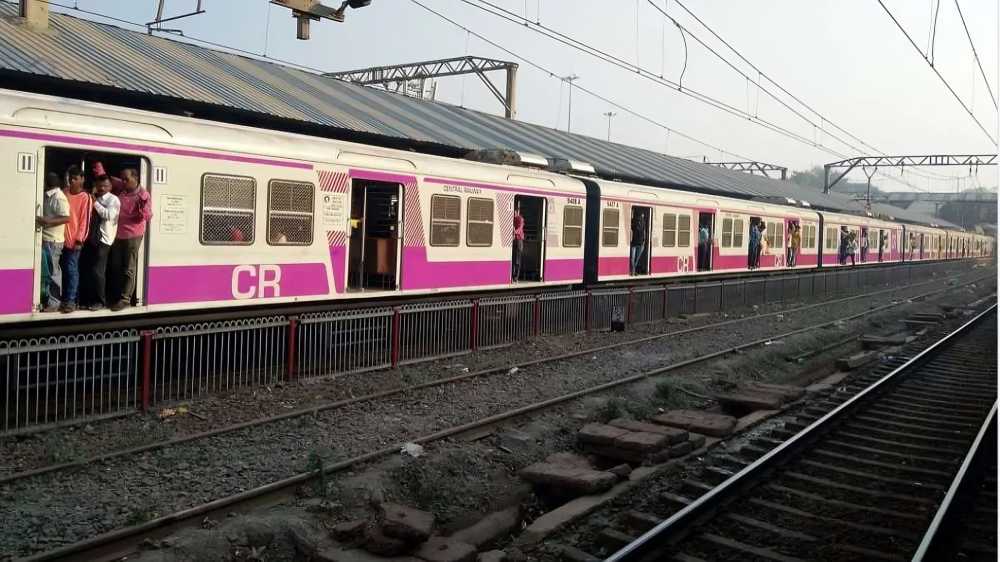

A scheduled rail block in Mumbai this weekend is expected to impact suburban train services along the western corridor, as authorities carry out essential construction linked to the city’s expanding metro network. The temporary disruption highlights the ongoing challenge of maintaining daily commuter movement while executing large-scale infrastructure upgrades.
The block, planned between Saturday night and early Sunday, will allow for the installation of key structural elements for an elevated metro corridor connecting major suburban stations. During this period, certain railway lines will remain shut, while some services will either be diverted or cancelled. Officials noted that such measures are necessary to ensure safe execution of work in densely populated areas where suburban rail lines intersect with metro construction zones.
For commuters, the immediate impact is likely to include revised train schedules, longer travel durations, and increased dependence on alternate routes. Mumbai’s suburban rail system serves as the backbone of the city’s daily transport, carrying millions of passengers, and even brief interruptions can significantly affect routine travel and economic activity.
Experts emphasised the importance of timely communication and real-time updates to reduce inconvenience. The ongoing work is part of a broader effort to expand metro connectivity, aimed at easing pressure on existing transport systems and improving east-west travel across the city. Urban planners maintain that while such disruptions may cause short-term inconvenience, they are essential for building a more efficient and integrated mobility network. “Cities like Mumbai must upgrade infrastructure without halting daily life, which inevitably leads to phased disruptions,” said a senior mobility expert.
In addition to track work, upgrades at a northern suburban station are also underway, including modifications to pedestrian access areas to better manage rising passenger volumes. These changes, though beneficial in the long run, may temporarily affect movement within station premises.
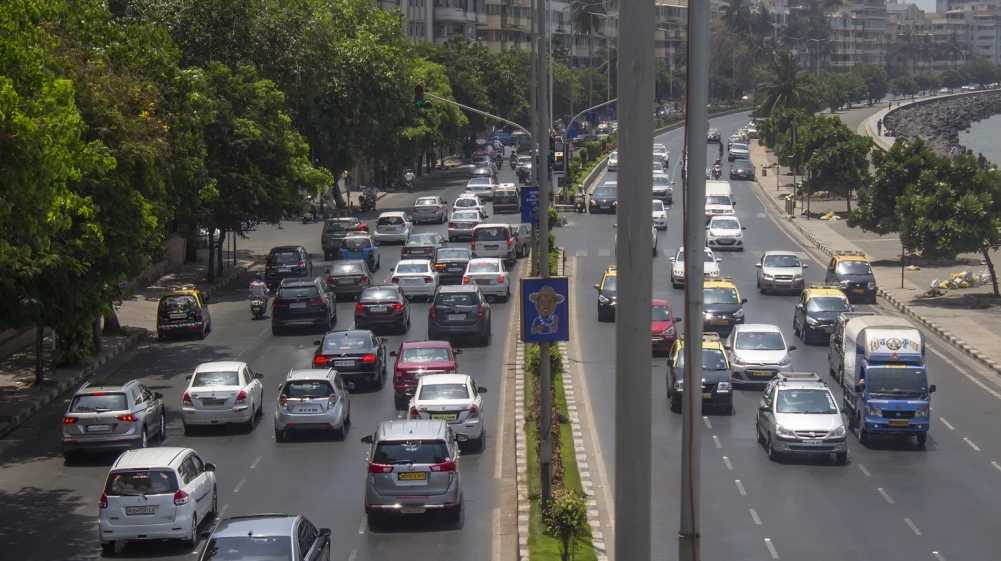
From an environmental standpoint, metro expansion is expected to reduce reliance on road transport, helping lower emissions and improve air quality over time. However, experts note that achieving these benefits will depend on seamless integration with suburban rail and strong last-mile connectivity.
While short-term disruptions may affect daily routines, improved transport infrastructure is expected to enhance connectivity, support economic activity, and enable more balanced urban growth in the long term.
Source: Urban Acres