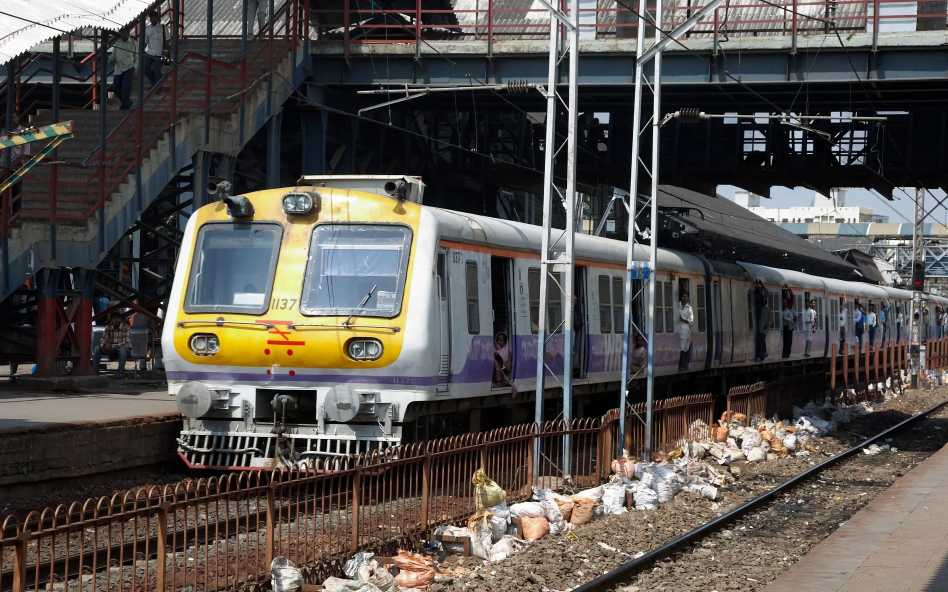

A temporary interruption in water supply at Bandra Terminus has affected railway operations, highlighting the dependence of key transport hubs on uninterrupted urban utilities. The disruption, caused by ongoing pipeline modification work undertaken by civic authorities, has created operational challenges for train servicing and passenger amenities.
The issue stems from alterations being carried out on a major trunk water pipeline, which supplies both the terminus and the adjoining rail yard. While such upgrades are essential for strengthening long-term water infrastructure, the immediate impact has been felt in areas such as coach cleaning, maintenance, and onboard water replenishment for long-distance trains originating from the station.
Railway officials indicated that the shortage could disrupt routine servicing schedules. As a temporary measure, some train maintenance activities are being shifted to stations outside Mumbai. However, these arrangements come with logistical limitations, including constraints in infrastructure capacity and water availability at alternate locations, potentially affecting efficiency.
Urban infrastructure experts note that major transit hubs like Bandra Terminus operate as high-demand service centres, requiring constant access to essential utilities such as water and electricity. Even short-term disruptions can impact hygiene standards, commuter experience, and overall service reliability. The situation also underscores the importance of coordination between municipal bodies and transport authorities during maintenance work.
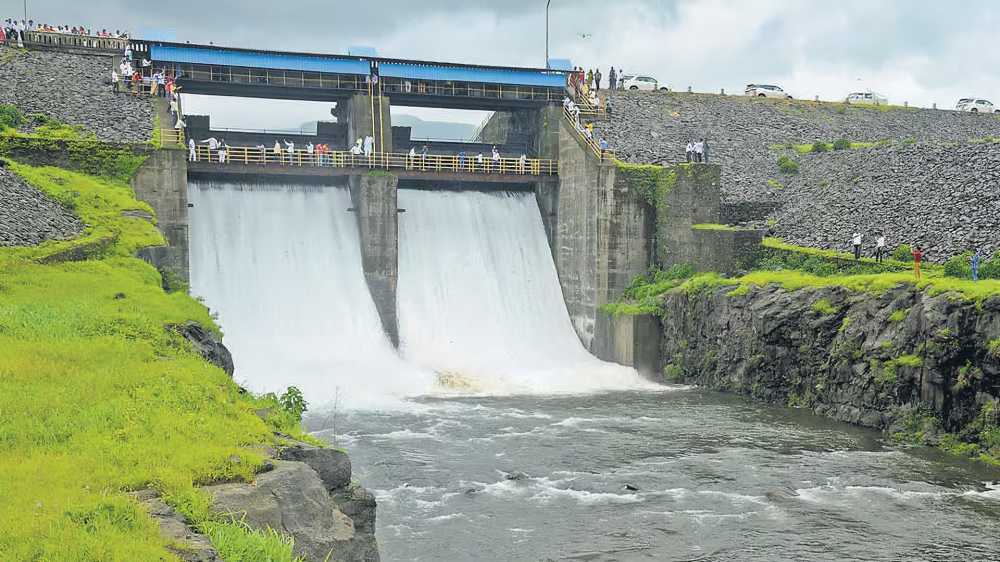
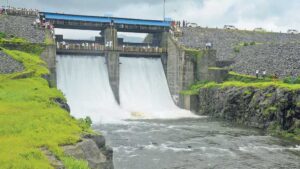
The disruption comes amid broader concerns around water resource management in the city, where seasonal fluctuations and reservoir levels influence supply. Temporary reliance on tanker-based or redistributed water adds to operational costs and environmental strain.
Passengers may also face indirect inconveniences, including limited availability of potable water at stations and onboard trains. Experts suggest that major transport hubs should incorporate backup systems such as storage and recycling facilities to handle such contingencies more effectively.
As work on the pipeline continues, authorities are expected to closely monitor the situation and minimise inconvenience. The incident highlights the need for resilient infrastructure planning to ensure essential services remain uninterrupted during upgrade phases.
Source: Urban Acres