
Mumbai’s western suburbs are undergoing a clear shift towards vertical, mixed-use urbanisation, driven by land scarcity, infrastructure upgrades, and evolving planning frameworks across key areas such as Malad, Goregaon, and Kandivali, according to Ruchit Mehta, Partner at Mehta Realty.
Mehta notes that the region is moving away from traditional low-rise housing clusters towards a denser, more structured skyline extending from Andheri to Borivali. Earlier characterised by standalone residential societies and scattered commercial pockets, the western suburbs are now increasingly being developed as integrated high-rise clusters combining housing, retail, offices, and shared amenities within unified layouts.
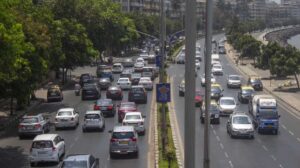
This transformation is closely tied to improvements in urban infrastructure. Expansion of metro corridors, upgrades along the Western Express Highway, and new cross-city connectivity projects have significantly improved accessibility. These developments have encouraged transit-oriented planning, allowing higher construction potential near transport nodes and promoting more organised density.
Developers are also rethinking project design. Instead of isolated towers, new projects are being planned as cluster developments with podium gardens, co-working spaces, wellness zones, and retail streets, creating self-sufficient micro-neighbourhoods. This reduces commuting needs by bringing work, living, and lifestyle functions into the same space.
Design priorities have evolved as well, with greater focus on natural light, ventilation, and efficient layouts to improve liveability in high-density environments. While older redevelopment pockets continue to face strain from congestion and infrastructure gaps, newer projects aim to balance density with improved residential comfort.
Sustainability is also becoming central to planning, with many developments incorporating solar energy systems, rainwater harvesting, and climate-responsive design features. These reflect a broader shift towards resource-efficient construction practices.
Redevelopment across ageing housing societies is further accelerating this change, replacing older structures with modern high-rises offering upgraded amenities and safety features. This has contributed to rising property values and reshaped neighbourhood character through shared spaces and improved infrastructure.
Buyer preferences are also evolving, with stronger demand for integrated living environments rather than standalone homes. Developers are responding by creating holistic communities that combine residential, commercial, and social infrastructure.
The Andheri–Borivali corridor is expected to strengthen its role as a major high-rise growth belt, supported by metro expansion and emerging commercial hubs. As connectivity improves, the distinction between suburban and central business districts continues to blur, reinforcing the western corridor’s position as a key urban growth zone in Mumbai’s evolving cityscape.
Source: Prop News Time