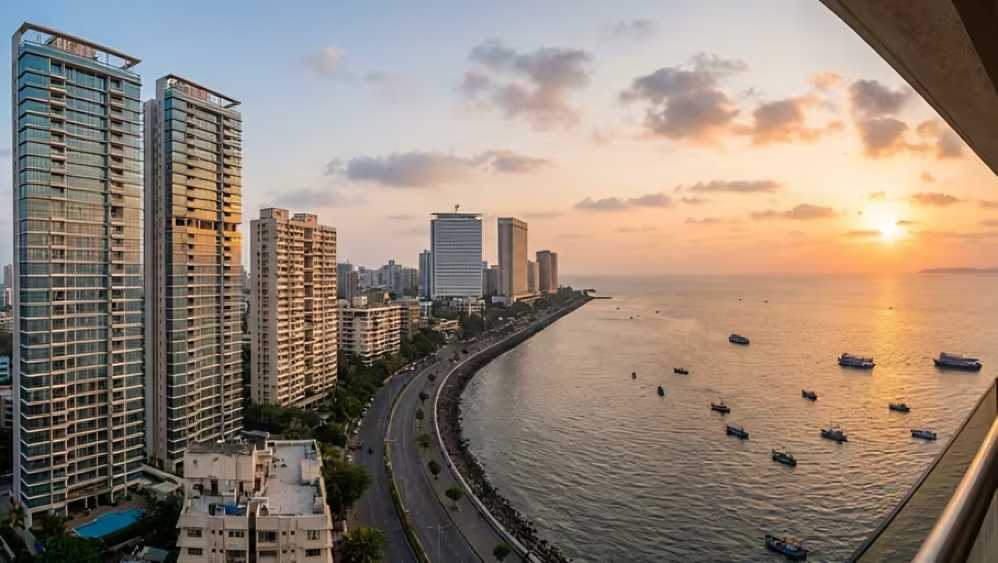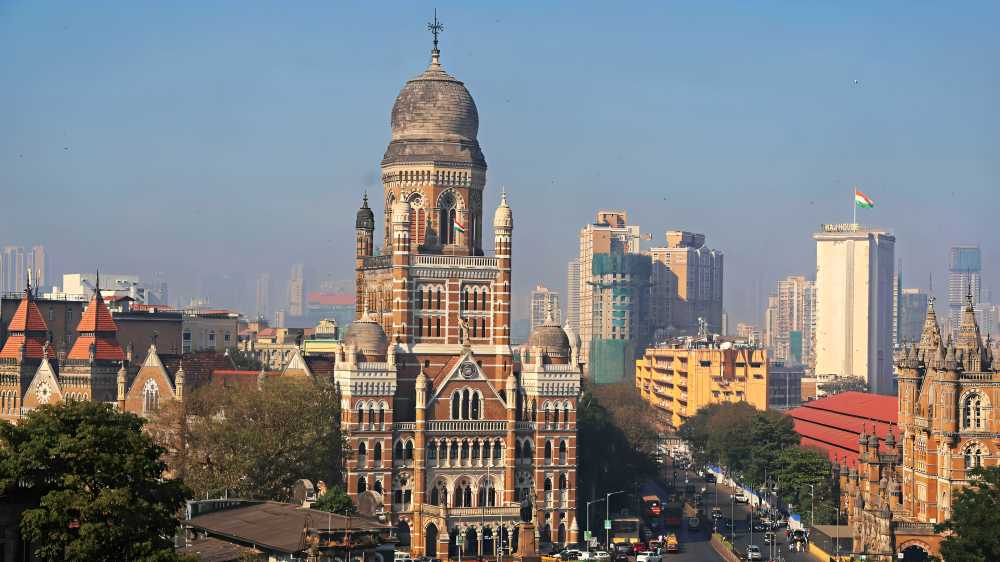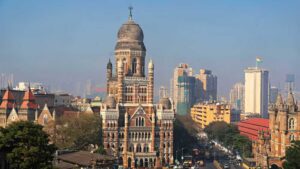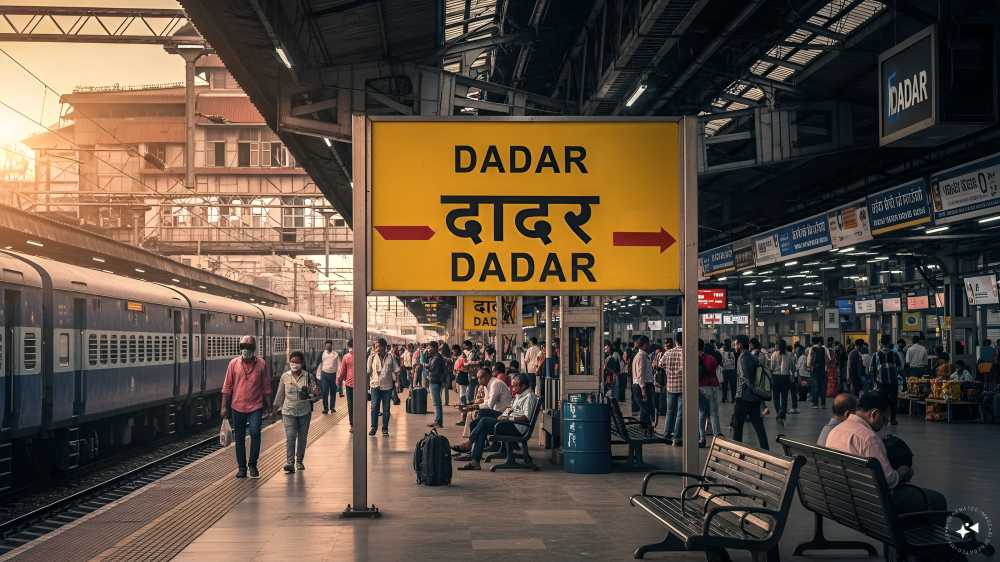

In the leafy lanes of Dadar’s Hindu Colony and the iconic Five Gardens precinct, the skyline is quietly but steadily changing. Art Deco façades, low-rise co-operative housing societies, and tree-lined avenues, once the defining features of this neighbourhood, are increasingly giving way to glass-and-concrete towers, driven by Mumbai’s relentless redevelopment push.
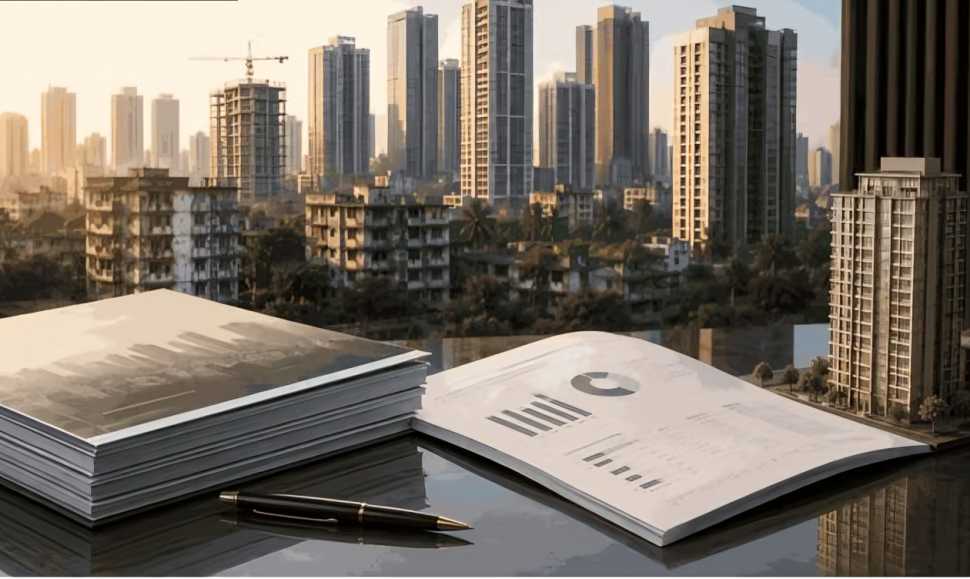
Data from the Brihanmumbai Municipal Corporation (BMC) shows redevelopment proposals across the island city have risen sharply over the past five years, with central neighbourhoods like Dadar seeing heightened activity due to ageing structures and rising land values. According to property market assessments by Knight Frank India, central Mumbai recorded residential price growth of 8% to 12% year-on-year (YoY) in 2024 to 2025, intensifying incentives for housing societies to opt for redevelopment.
For many residents, however, the transformation carries an emotional cost.
“I have spent most of my life here, so I know almost everyone in the lane. Earlier, you would see the same familiar faces every evening in the garden, and there was always time to stop and talk,” said 68-year-old Meera Joshi. “Lately, things have changed so fast with new redevelopment projects coming up that many new people have moved in. It does not feel as familiar as before, and that sense of everyday connection in the neighbourhood is slowly getting weaker.”
“I am not against redevelopment because many of these buildings are genuinely old and need to be rebuilt,” said Prakash Deshpande, who has lived near Five Gardens for over four decades. “But what is concerning is how intense the scale has become. We are suddenly seeing very tall buildings coming up in areas where the roads and services have not really changed. The construction has gone vertical, but the basic infrastructure is still the same as it was years ago.”
Urban planners have repeatedly flagged that infrastructure in older parts of Mumbai is not designed to handle the density that accompanies high-rise redevelopment. While the Development Control and Promotion Regulations (DCPR) 2034 aim to incentivise redevelopment through higher FSI, critics argue that the policy often overlooks the strain on civic amenities and the loss of neighbourhood character.
“High-rise redevelopment in historically low-rise precincts like Dadar needs to be understood not just as a vertical replacement of built form, but as a complete recalibration of urban systems that have evolved over decades,” said Ar. Saloni Deodhar, Design Management at Deodhar Associates Grit Architectural. “What we are witnessing is an increase in permissible FSI translating into taller built envelopes, but the supporting framework, such as streets, utilities, open spaces, and pedestrian capacity, has not undergone a proportional upgrade. In places like Hindu Colony and around Five Gardens, the neighbourhood really grew in a very human way, with smaller blocks, shared courtyards, plenty of trees, and a natural back-and-forth between buildings and open spaces that people could actually use and feel part of. When redevelopment introduces isolated high-rises without continuity in street edge conditions or micro-climatic planning, it disrupts not just aesthetics but everyday liveability.”
She added, “The real design challenge is not redevelopment itself, but how it is phased and contextualised. We need a stronger emphasis on cluster-based planning, infrastructure-led approvals, and safeguards for light, ventilation, and public realm continuity. Otherwise, we risk replacing socially cohesive neighbourhoods with density-heavy enclaves that function efficiently on paper but feel disconnected on the ground.”
Local real estate brokers, however, point to the strong economic logic behind the shift.
“Dadar has always stayed in demand mainly because of how well it is connected and its central location,” said Nitin Kale, a local real estate broker. “Right now, you will still find older 2BHK homes in the range of about Rs 2.5 to Rs 3 crore, but once a building is redeveloped, those same homes can move into the Rs 4 to Rs 5 crore bracket quite easily. Buyers today are also very clear about what they want, such as lifts, parking, security, and proper amenities, which most of the older buildings simply cannot offer. That is why redevelopment feels like the only workable path, even though it does come at the cost of the older community feel and the familiarity that people associate with these neighbourhoods.”
The contrast is especially visible in Hindu Colony, known for its early 20th-century architectural style. Unlike South Mumbai’s protected heritage zones, such neighbourhoods lack formal conservation status, leaving them vulnerable to piecemeal transformation.
At Five Gardens, one of central Mumbai’s few remaining green clusters, residents say the pace of construction is already affecting daily life. “This used to be a quiet pocket,” said Joshi. “Now there is constant noise, dust, and traffic. The gardens are still there, but everything around them feels different.”
At the same time, Mumbai continues to face a significant housing shortfall. Industry estimates suggest the city will require over 1.2 million additional homes by 2030, making redevelopment a critical component of urban growth.
The challenge lies in balancing this need for new housing with the preservation of identity.