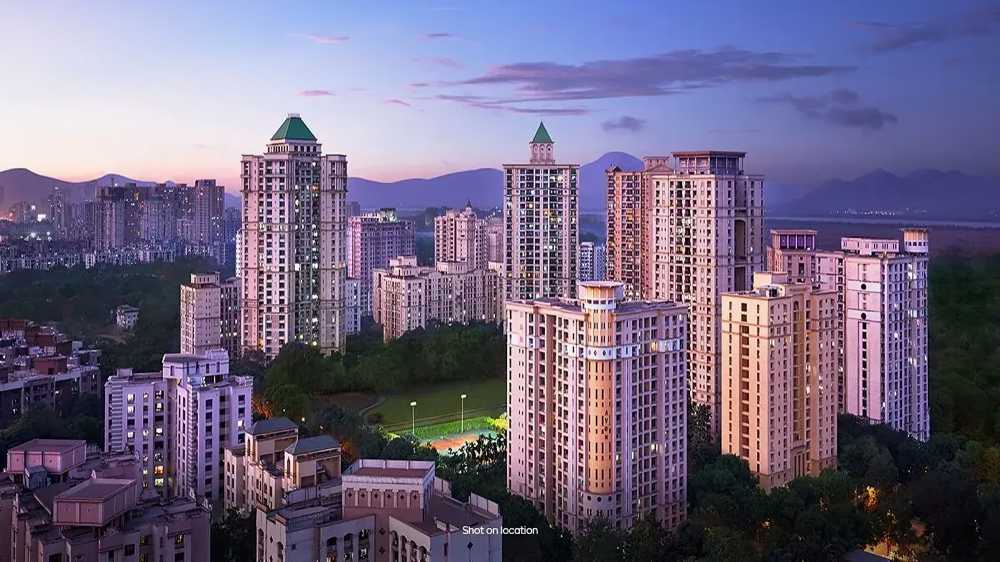

A newly announced large-scale residential development in Balkum, Thane, is further underlining the growing importance of suburban township-led housing across the Mumbai Metropolitan Region, as developers increasingly focus on infrastructure-driven micro-markets beyond Mumbai’s island city.
The upcoming project, spread across nearly eight acres in Balkum, carries an estimated revenue potential of around Rs 3,000 crore and reflects sustained homebuyer demand for integrated residential communities offering improved connectivity, larger living spaces, and enhanced lifestyle amenities.
The latest phase of the township is expected to feature multiple high-rise towers with a mix of apartment configurations aimed primarily at mid-premium and premium housing segments. Industry observers say the project reflects the broader transformation of Thane into one of the region’s fastest-growing residential corridors.
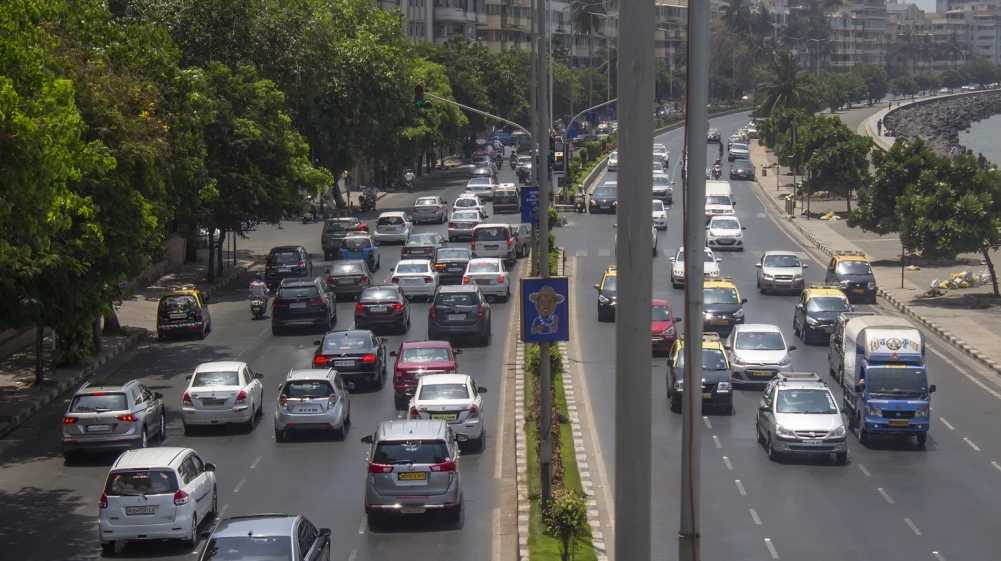
Urban planners tracking growth trends across the MMR note that suburban locations such as Thane are playing an increasingly important role in accommodating rising population growth while reducing pressure on Mumbai’s older and denser urban districts. Improved connectivity through road expansion projects, metro rail infrastructure and access to employment hubs across Mumbai, Navi Mumbai and Kalyan has accelerated residential demand in these emerging suburban clusters.
The Balkum micro-market, in particular, has witnessed steady growth due to ongoing transport infrastructure upgrades and improved east-west as well as north-south connectivity across the metropolitan region. These infrastructure improvements are also contributing to rising land values and encouraging higher-density residential development along key mobility corridors.
Real estate analysts say the project also mirrors a broader post-pandemic shift in buyer preferences towards integrated township-style communities that combine housing, open spaces, internal mobility and social infrastructure within a single ecosystem. Buyers are increasingly prioritising larger homes, community amenities and reduced commuting stress.
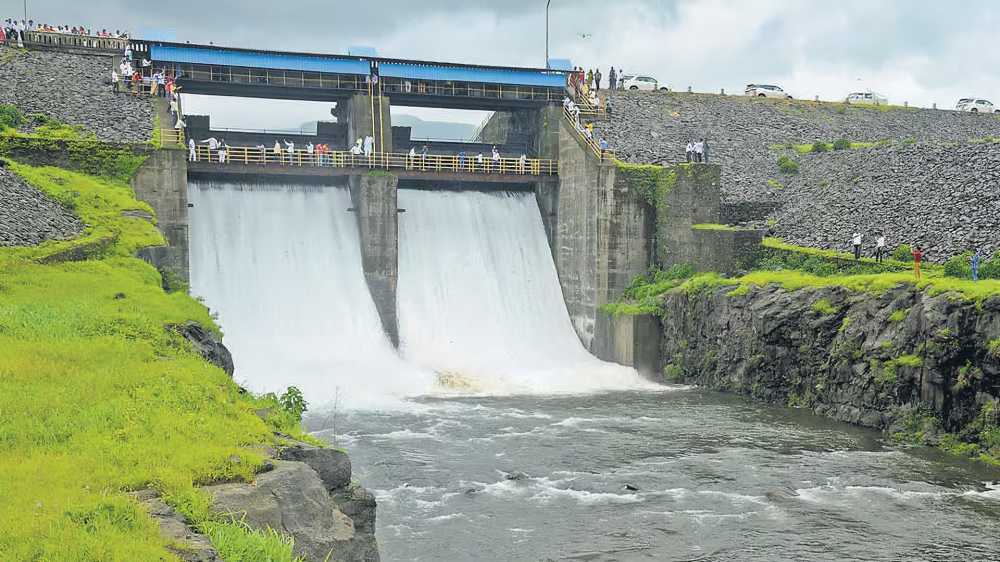
At the same time, urban planners caution that rapid suburban expansion must be supported by stronger civic infrastructure, efficient water management systems and better public transport integration to avoid repeating the congestion and environmental pressures experienced in older urban zones.
Market experts believe the long-term success of such large-scale residential communities will depend not only on connectivity but also on sustainable urban planning, environmental resilience and the creation of balanced liveable neighbourhoods across the Mumbai Metropolitan Region.
Source: Urban Acres