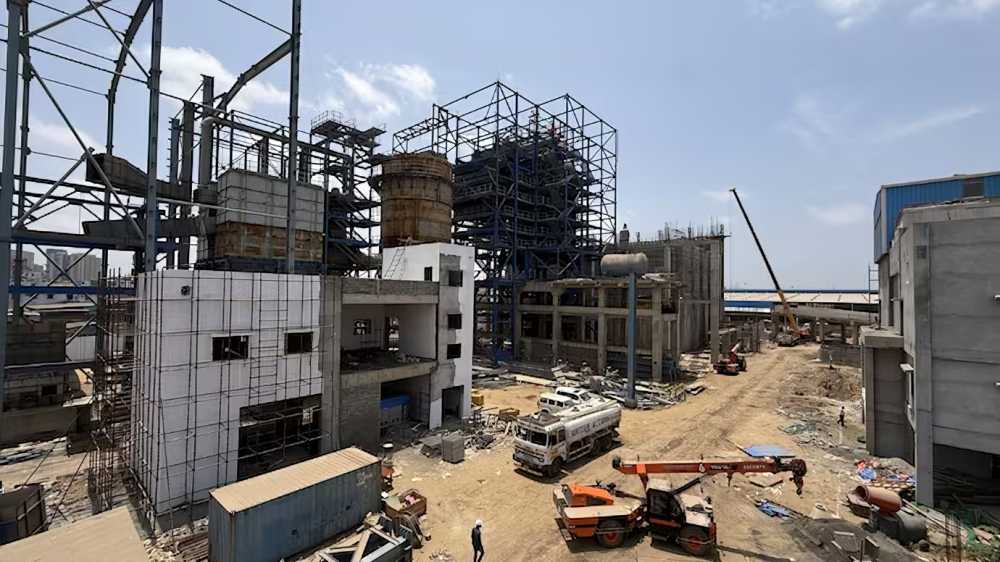

Mumbai’s first large-scale waste-to-energy (WTE) facility at the Deonar Dumping Ground is approaching completion and is expected to become operational by the end of 2026, marking a major milestone in the city’s efforts to modernise solid waste management infrastructure.
Developed by the Brihanmumbai Municipal Corporation (BMC), the project is designed to process nearly 600 tonnes of fresh municipal solid waste every day and generate approximately 7 to 8 megawatts of electricity. Officials said the power produced at the facility will mainly be utilised for civic operations and municipal infrastructure projects across Mumbai.
Spread across nearly 12 hectares within the Deonar landfill premises, the project is around 82% complete. Authorities stated that construction work could begin only after nearly one million tonnes of waste at the site were scientifically relocated and stabilised within the landfill area itself.
Unlike traditional landfill systems, the facility will process only fresh municipal waste and not the decades-old legacy garbage accumulated at Deonar. Though the plant will handle only a portion of Mumbai’s total daily waste generation, officials consider it one of the most significant waste-management infrastructure developments in the Mumbai Metropolitan Region.
The project had earlier faced delays due to disruptions in the procurement of equipment and raw materials caused by the West Asia crisis.
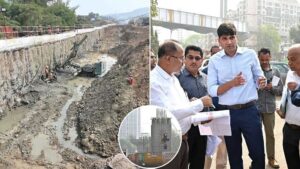
Abhijit Dutta said the facility has been equipped with multiple pollution-control systems to minimise environmental impact. “We will segregate the waste within the premises. Acidic gases generated during processing will be neutralised using lime slurry, after which the gases will pass through bag filters that capture particulate emissions before treated air is released through chimneys,” Dutta said.
He further stated that the plant has been designed as a fully enclosed structure to reduce odour and pollution-related concerns.
The facility will also avoid using freshwater for operations. Instead, treated water will be supplied through a nearly four-kilometre underground pipeline connected to the Ghatkopar Sewage Treatment Plant. Officials said the project will require around 480 kilolitres of treated water daily for waste processing and boiler operations.
Along with ongoing Bio-CNG and bioremediation initiatives at Deonar, the WTE plant is expected to help reduce landfill pressure and strengthen Mumbai’s long-term waste management strategy.
Source: India Today