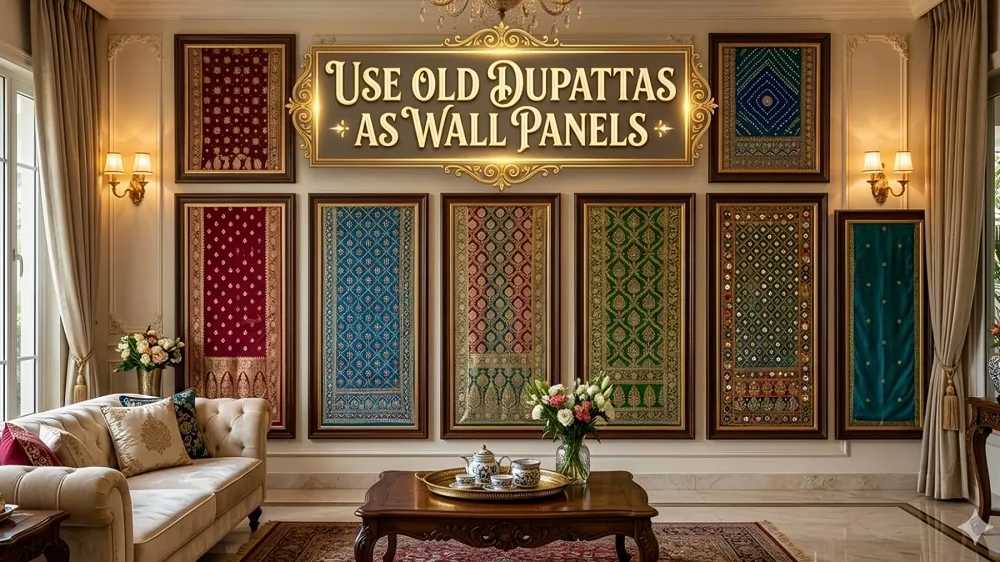

Old dupattas often forgotten in cupboards can be transformed into elegant wall panels that bring colour, texture, and personality to a room. Instead of relying on expensive wallpaper or mass-produced decor, these heirloom fabrics can be reused creatively to achieve a luxurious, bespoke interior look, especially when they include Banarasi, Phulkari, or embroidered wedding pieces that carry emotional value and rich craftsmanship.
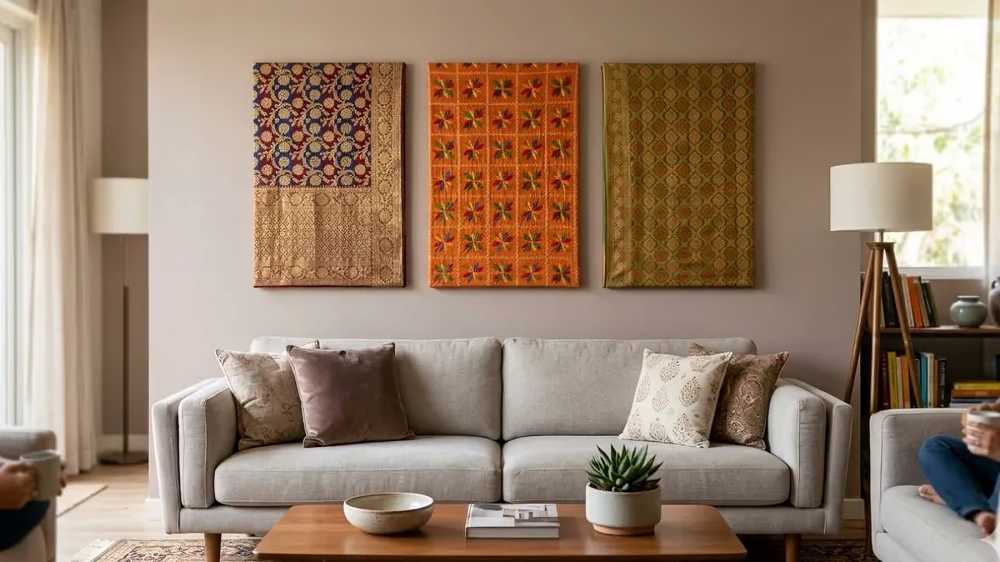
One of the simplest methods is to stretch a dupatta over a wooden canvas board and staple it at the back, creating a framed fabric artwork suitable for stiff materials like brocade or silk with bold motifs. This approach works well as a single statement piece or a trio placed above seating areas, giving a gallery-style appearance while maintaining warmth and softness.
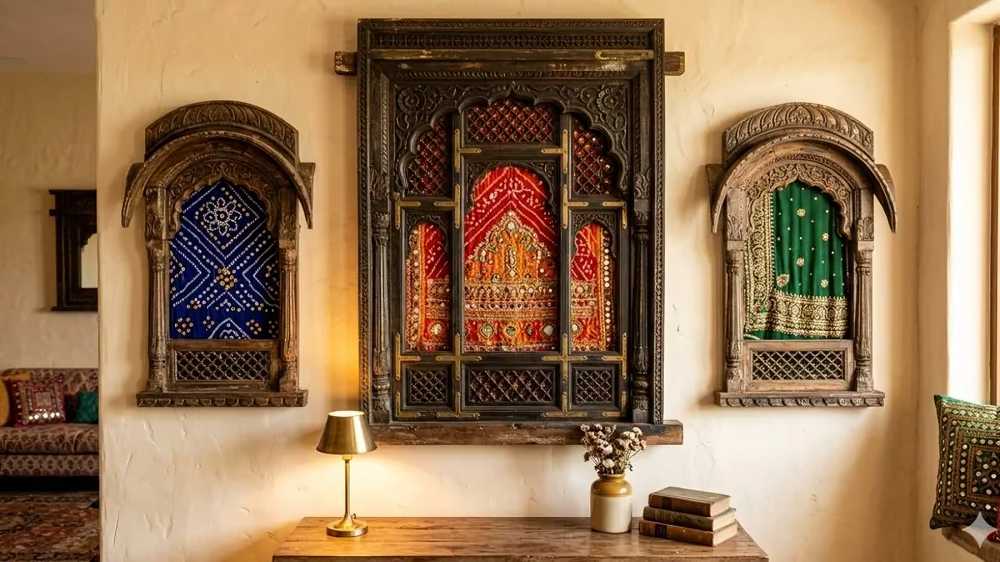
Another visually striking idea involves pairing mirror work or bandhani dupattas with carved wooden jharokha frames. The fabric is placed behind the lattice, allowing patterns to shine through the intricate woodwork. This creates a regal decorative effect resembling antique architectural art and makes the wall a focal point.
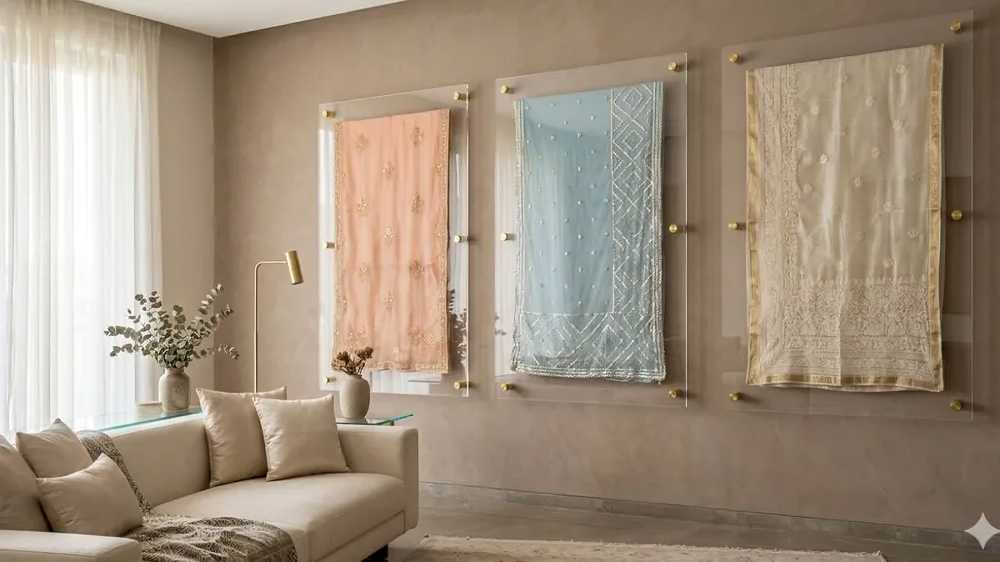
For delicate fabrics such as organza or net, a modern solution is to sandwich the textile between two acrylic sheets. The transparent edges allow the wall colour to subtly show through while standoff screws create a floating gallery effect. This method also protects embroidery from dust and damage.
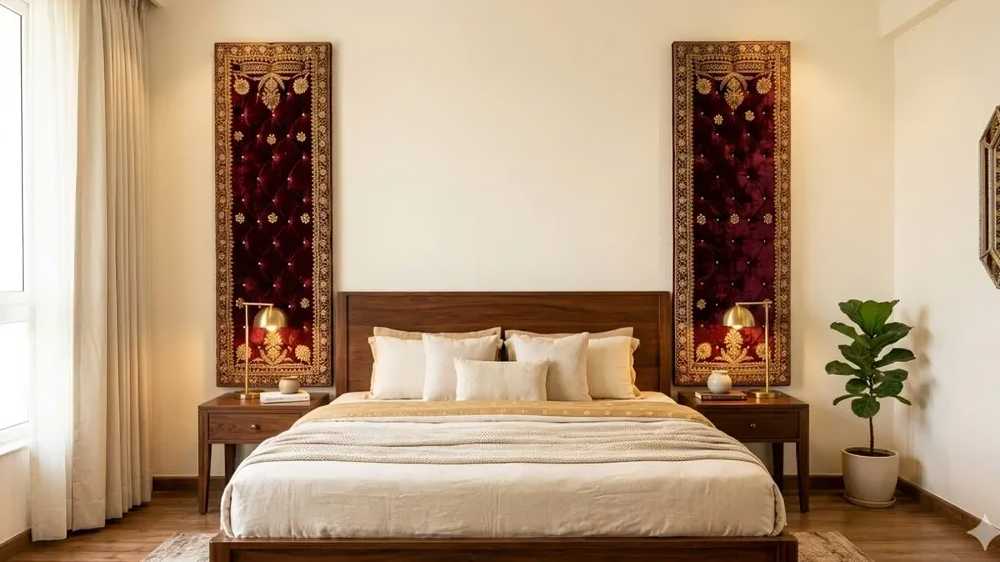
To achieve a hotel-inspired, luxurious feel, heavy velvet or zardozi dupattas can be wrapped around foam-layered plywood panels. Brass nails are used to create diamond tufting patterns. These padded panels work well behind beds, extending headboards, and improving acoustics in the room.
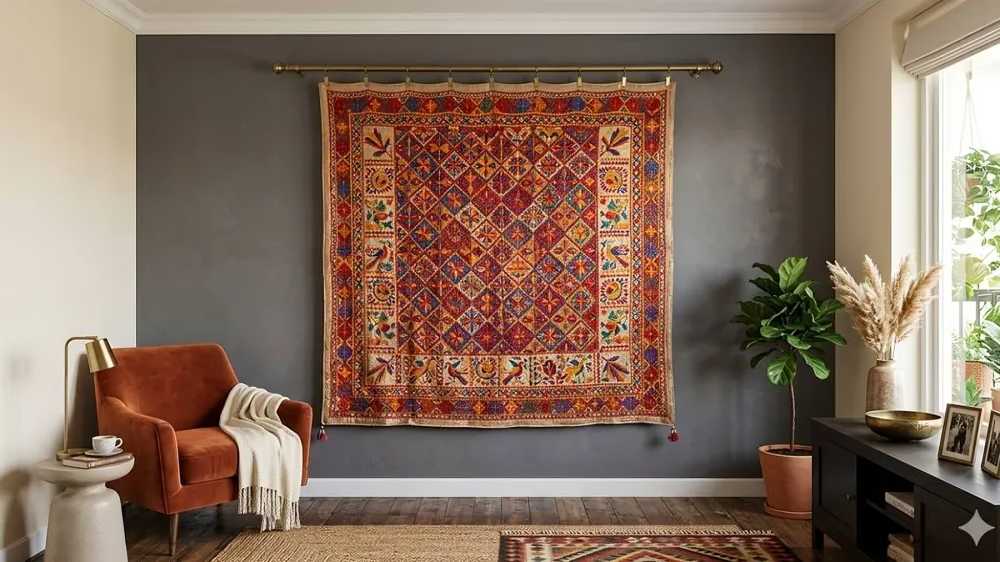
If preserving the fabric intact is preferred, dupattas can be hung using curtain rods and clips, allowing embroidered kantha or phulkari pieces to drape fully against contrasting walls. This method displays large areas of design while maintaining flexibility and easy installation.
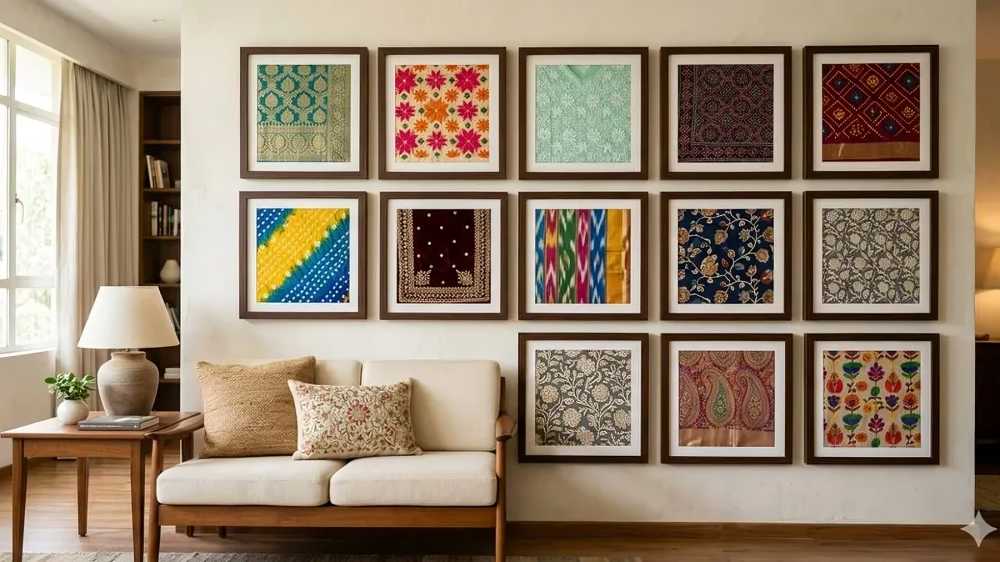
Smaller damaged fabric sections can be cut into uniform squares, framed, and arranged in a grid layout. The repetition of patterns makes the composition look intentional and curated, turning imperfections into artistic harmony.
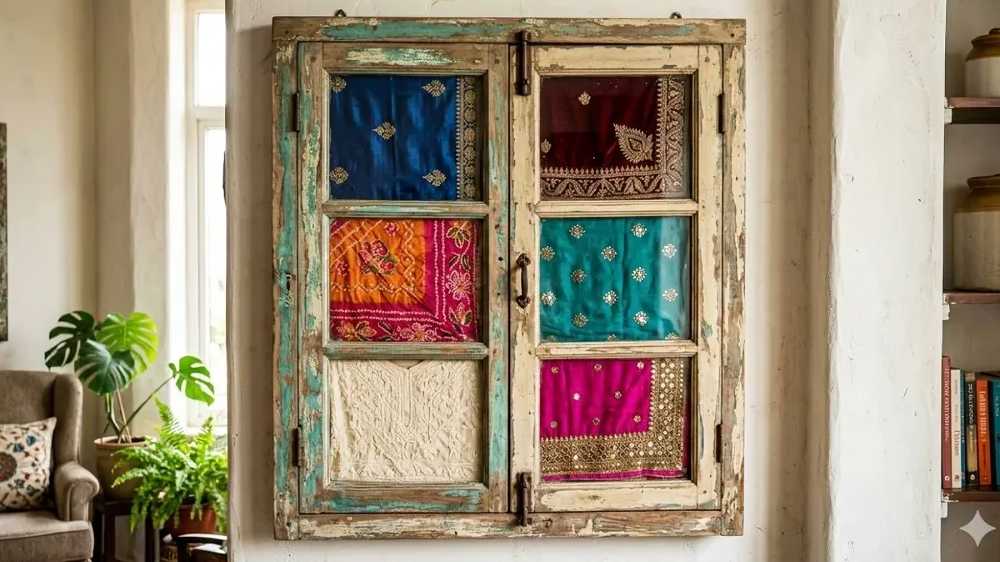
Reclaimed wooden window frames provide a rustic backdrop when fabric scraps are placed behind glass panels. The contrast between weathered wood and vibrant textiles produces a striking visual effect reminiscent of vintage decor.
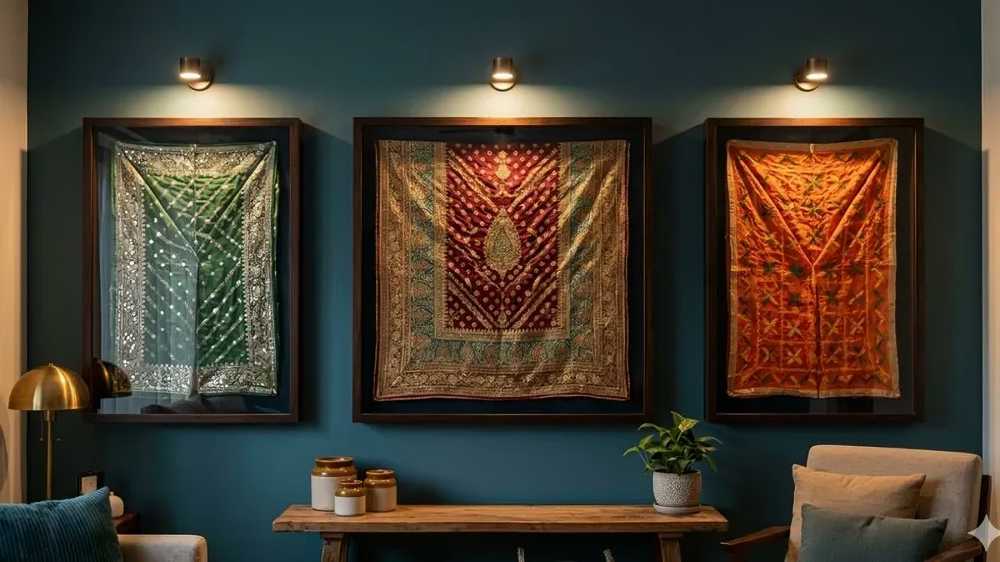
Sentimental dupattas can be preserved in deep shadow boxes arranged neatly and illuminated with warm LED lighting. This presentation elevates heirloom textiles into museum-style displays that highlight embroidery details and family memories.
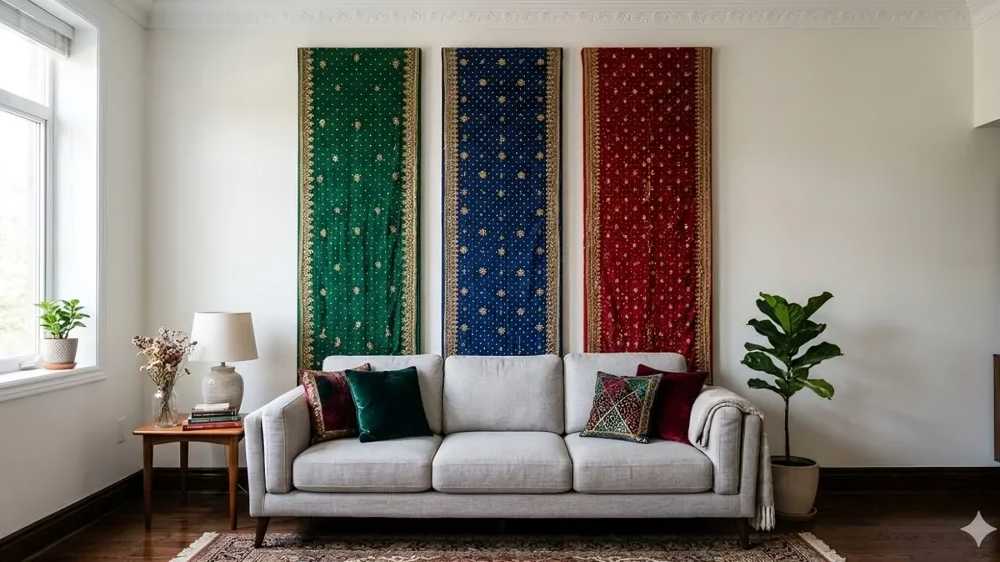
Vertical fabric panels mounted on tall boards visually elongate walls and increase perceived ceiling height. Lightweight sequined dupattas enhance this effect when arranged in repeating sequences behind seating areas.
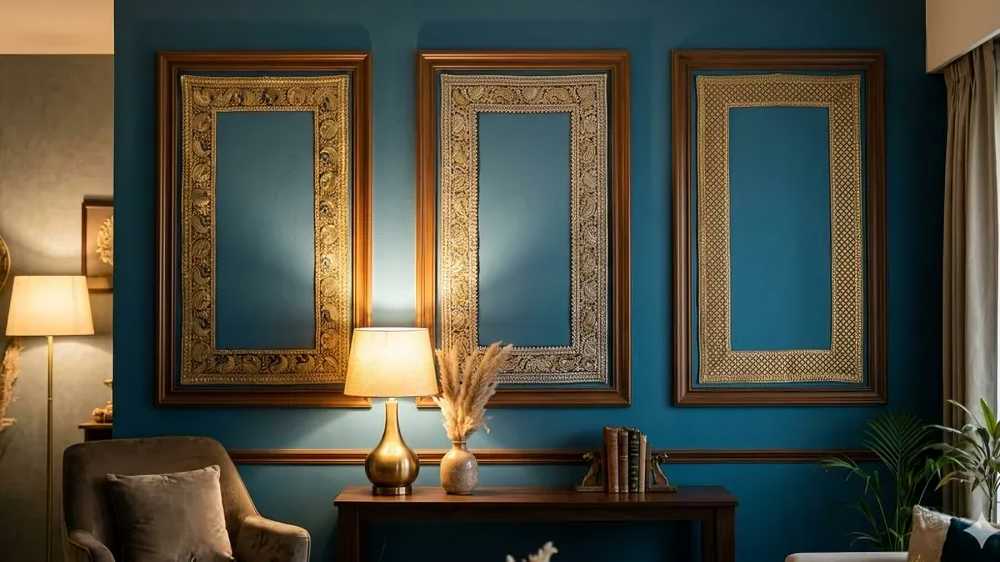
Instead of using entire dupattas, decorative metallic borders can be cut and integrated into existing mouldings. This subtle detailing reflects light and adds understated richness without overwhelming the space.
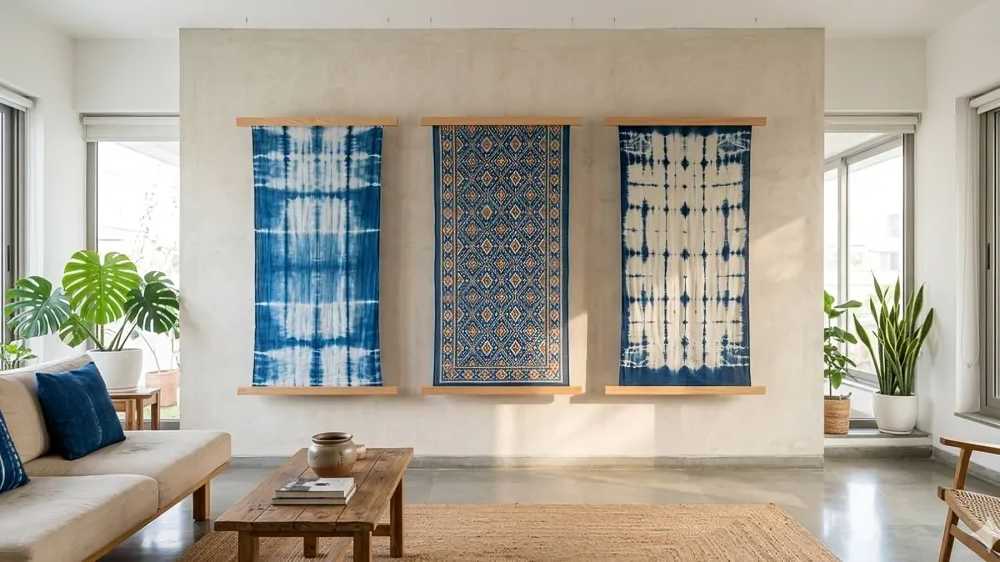
Lightweight tie-dye, ikat, or shibori fabrics can be mounted between wooden dowels and suspended slightly away from walls, creating a floating screen effect.
Source: Magic Bricks