
Adolescence is meant to be a time of self-discovery, learning, and personal growth. However, growing concerns over unsafe public infrastructure, environmental degradation, and inadequate urban planning are compelling many young people to engage in civic issues long before they should have to.
While discussions around sustainable development and public infrastructure often focus on children and senior citizens, adolescents are increasingly emerging as a group deeply affected by the shortcomings of urban governance. Experts believe the years between childhood and adulthood are crucial for emotional, social and cognitive development, yet the quality of the built environment can significantly influence that journey.
India’s younger generation is experiencing a different reality from previous decades. While earlier generations often entered adulthood early due to financial and family responsibilities, today’s youth are expected to navigate rapidly changing cities that present new challenges ranging from inadequate public spaces to infrastructure failures.
According to the last Census, nearly one-fifth of Maharashtra’s population falls within the 15-24 age group, with adolescents aged 10-19 accounting for a similar share. Studies have also indicated that around 22% of migrants arriving in Mumbai are children, relocating with their families in search of better education, healthcare and opportunities. Globally, the trend is similar. According to UN-Habitat, more than 50% of the world’s population now lives in urban areas, and projections suggest that by 2030, nearly 60% of urban residents will be under the age of 18.
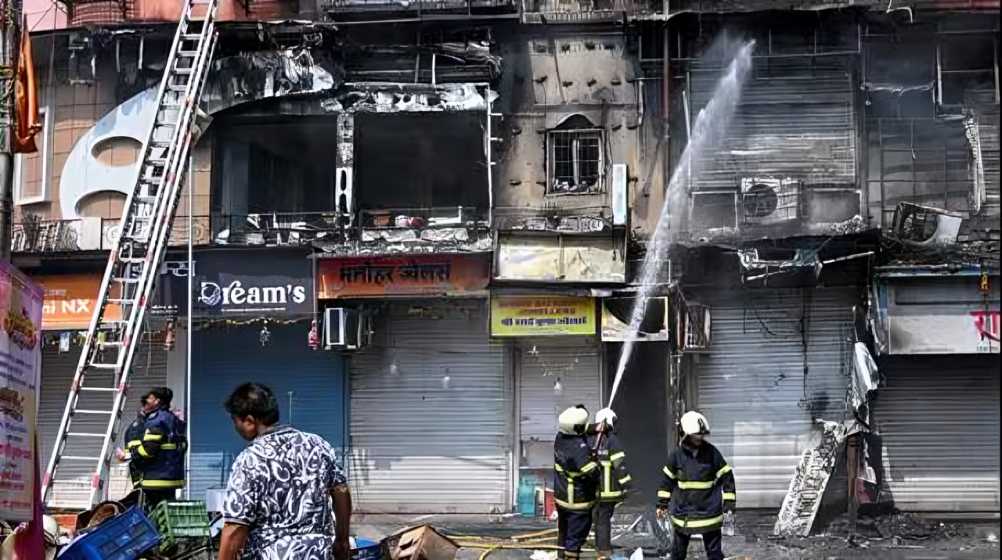
Recent incidents involving infrastructure failures, tree collapses and public safety concerns have highlighted the risks faced by young residents. Beyond such visible incidents, experts also point to less obvious challenges, including limited recreational spaces, rising pollution, heat stress and mounting academic pressure, all of which affect adolescent well-being.
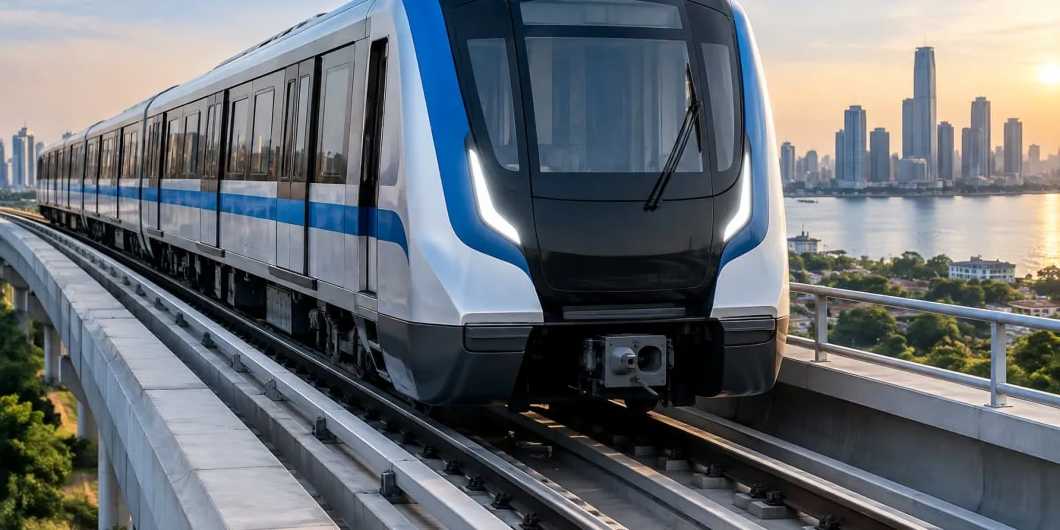
Increasingly, young people are becoming active participants in civic conversations, advocating for safer public transport, affordable housing, better waste management, greener neighbourhoods and more inclusive urban planning. Their growing engagement reflects a generation seeking cities that support healthy, safe and sustainable living.
Urban planners believe creating youth-friendly cities requires more than expanding infrastructure. It demands public spaces, reliable transport, environmental resilience and policies that allow young people to experience adolescence as a period of opportunity rather than one shaped by concerns over safety and basic civic infrastructure.
Source: Mumbai Mirror