
The Mumbai-Ahmedabad Bullet Train project will achieve a major construction milestone on Sunday as Union Railway Minister Ashwini Vaishnaw inaugurates underground tunnel boring work between Vikhroli and the Bandra-Kurla Complex (BKC), marking the first use of a tunnel boring machine (TBM) for India’s first high-speed rail corridor.
The tunnel excavation will be carried out using two customised German-made TBMs owned by Afcons Infrastructure Ltd. The machines were imported via China by sea in March 2026 and will be deployed to construct a 20.37-km tunnel, including a 7-km undersea section beneath Thane Creek.
According to the National High Speed Rail Corporation Limited (NHSRCL), the Railway Minister will remotely activate the first TBM positioned 56.6 metres below ground level at Vikhroli. The machine will excavate a 5.8-km stretch towards the BKC station at an approximate depth of 65 metres below the surface.
The second TBM, currently being assembled at Sawli, is expected to become operational within a week. It will construct the 9.7-km section from Sawli to Vikhroli, including the undersea tunnel.
Officials said each TBM is capable of excavating nearly 300 metres every month, enabling around 600 metres of tunnelling once both machines are operational. Of the total 20.37-km tunnel, 15.4 km will be excavated using TBMs, while the remaining 4.8-km stretch between Sawli and Shilphata has already been completed using the drill-and-blast method.
Each TBM features a cutter head measuring 13.6 metres in diameter, making them among the largest tunnel boring machines deployed for any railway project in India.
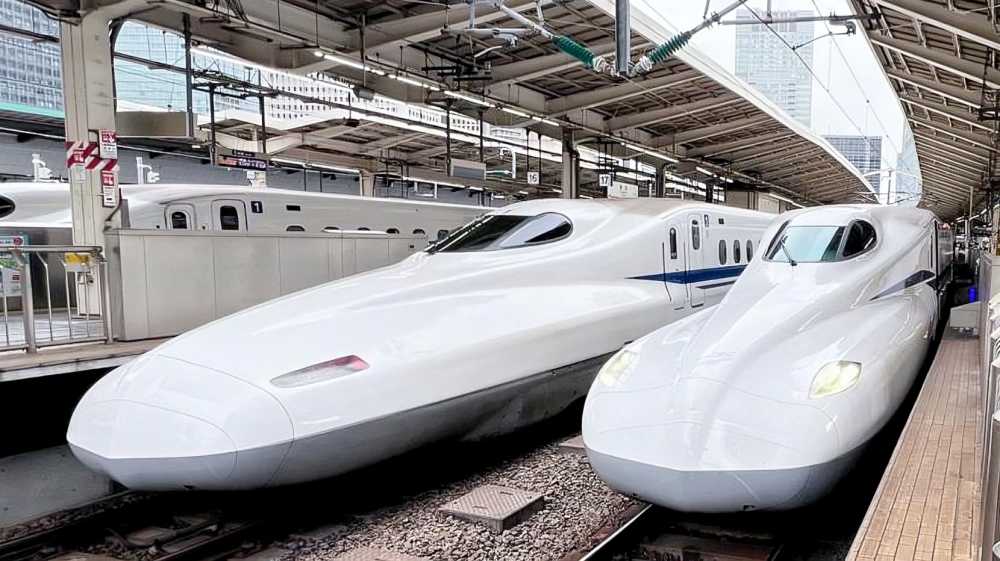
The 508-km Mumbai-Ahmedabad High-Speed Rail Corridor will connect Mumbai and Ahmedabad through 12 stations, with trains operating at speeds of up to 320 kmph. Limited-stop services are expected to complete the journey in approximately two hours and seven minutes, significantly reducing travel time between the two cities.
Source: Rediff