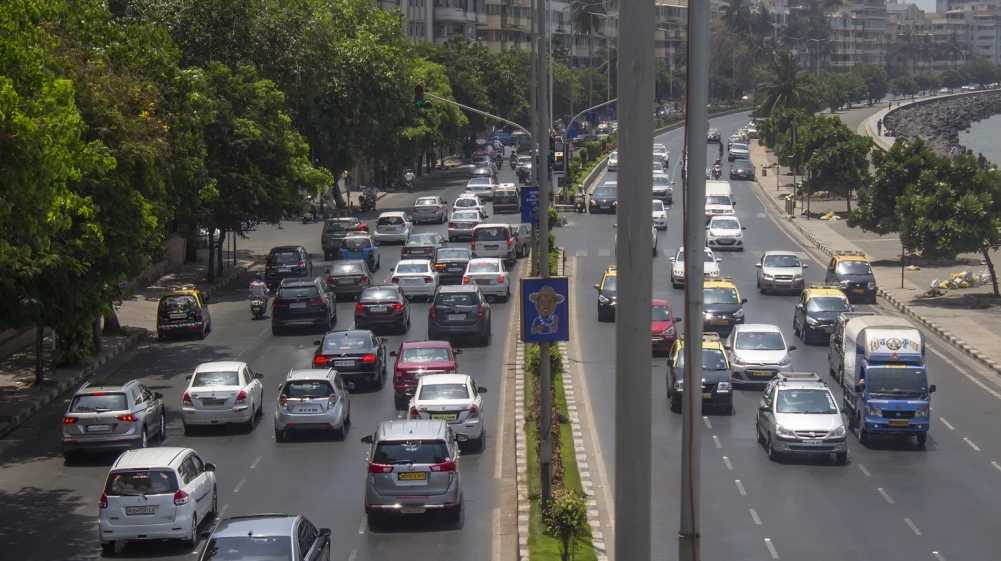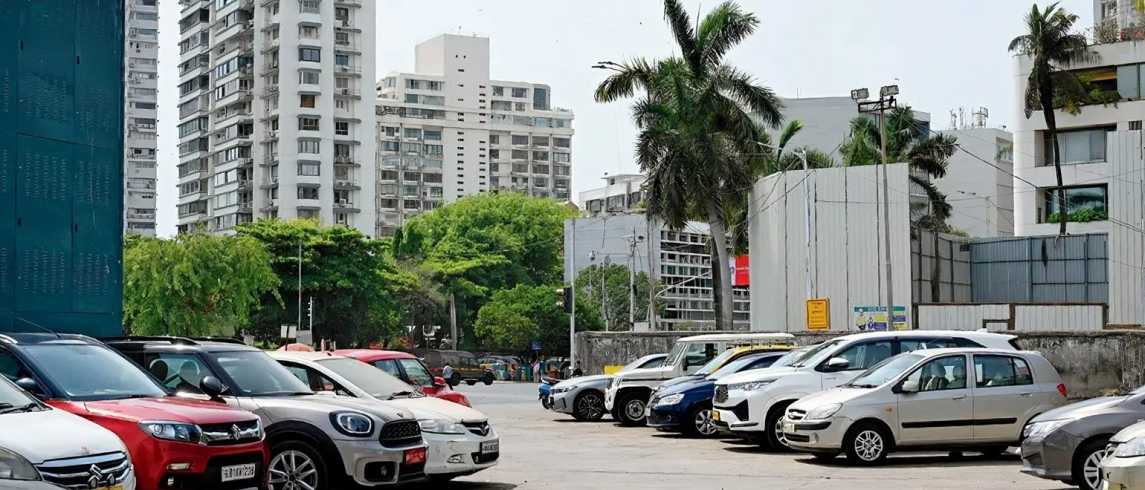

Mumbai: As vehicle ownership continues to rise across India’s major cities, the shortage of parking space has emerged as one of the biggest urban planning challenges. In Mumbai, where land is scarce and redevelopment is reshaping the city’s skyline, automated parking systems (APS) are increasingly being viewed as a practical solution to the growing parking crunch.
Cities such as Mumbai, Bengaluru, Pune, Delhi and Hyderabad have witnessed rapid growth in the number of private vehicles, while the availability of land for conventional parking has remained limited. The mismatch has resulted in roadside parking, traffic congestion and longer travel times, prompting developers and urban planners to explore technology-driven alternatives.
Automated Parking Systems operate through lifts, pallets and conveyor mechanisms that park and retrieve vehicles without drivers navigating ramps or multiple basement levels. By using both vertical and horizontal space more efficiently, these systems can accommodate considerably more vehicles within the same footprint than traditional parking layouts.
The technology is gaining attention in Mumbai’s redevelopment sector, where older residential buildings are being replaced with modern housing projects. Redeveloped properties often face the challenge of meeting current parking requirements despite space constraints. Automated parking enables developers to create additional parking slots while preserving space for amenities, landscaped areas and recreational facilities.
Apart from improving space utilisation, APS also helps streamline vehicle movement within buildings. As drivers do not need to search for parking spaces across multiple levels, internal traffic congestion is reduced. The systems also minimise unnecessary vehicle movement, contributing to lower fuel consumption and reduced emissions.
Safety and convenience have further strengthened the appeal of automated parking. Limited human intervention reduces the chances of scratches, theft and accidental damage, making the technology increasingly popular in premium residential and commercial developments.
Globally, cities including Tokyo, Singapore and Dubai have already adopted automated parking solutions to address land constraints. With India’s metro cities becoming denser and redevelopment accelerating, industry experts believe technology-driven parking systems could gradually become a standard feature in high-density urban developments, helping optimise land use while supporting smarter mobility infrastructure.
Source: Realty Plus