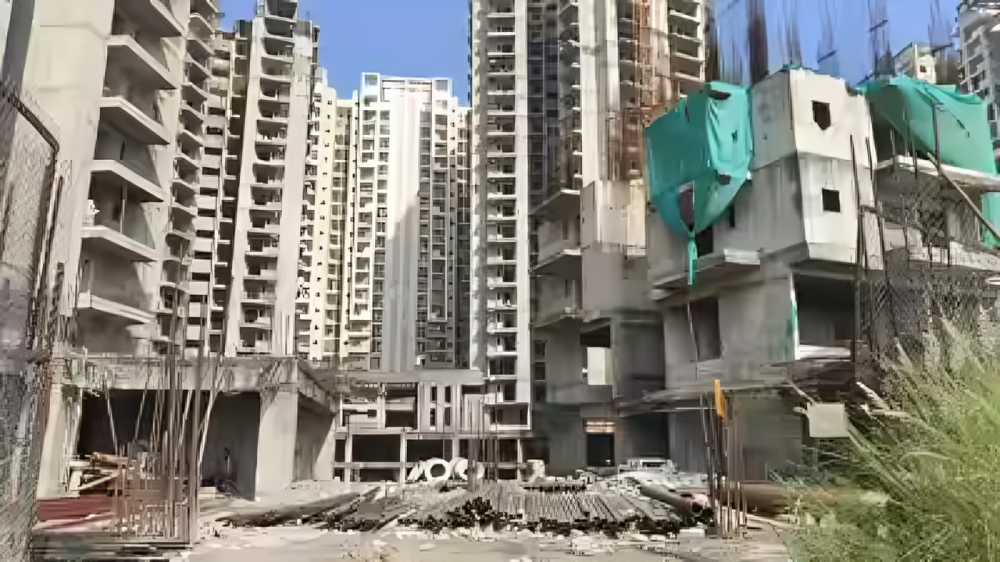

As ageing residential buildings across Indian cities continue to face structural deterioration, redevelopment has become an increasingly common solution to improve safety, upgrade infrastructure and meet modern construction standards. Older structures often fall short of current fire safety norms, earthquake-resistant design requirements and environmental regulations, making redevelopment a practical option for housing societies.
Unlike some sectors, residential redevelopment in India is not governed by a single national law. Instead, the process is regulated through a combination of state-specific legislation, municipal planning regulations and cooperative housing society rules, depending on the project’s location.
The redevelopment process generally begins with a structural audit to determine whether a building has reached the end of its service life or requires extensive repairs. If redevelopment is considered viable, the housing society convenes a general body meeting to discuss the proposal, appoint project management consultants where required, and invite bids from developers.
Once a developer is selected, a redevelopment agreement is executed between the developer and the housing society. The project then requires approvals from municipal corporations and planning authorities, which examine compliance with zoning regulations, Floor Space Index (FSI), fire safety norms, environmental requirements and applicable building by-laws before construction can begin.
Consent requirements vary across states. Maharashtra, which has the country’s largest number of cooperative housing societies, has one of India’s most structured redevelopment frameworks. Redevelopment is governed by the Maharashtra Cooperative Societies Act, 1960, the Maharashtra Cooperative Societies Rules, 1961, government resolutions issued by the Cooperation Department, and the Unified Development Control and Promotion Regulations (UDCPR).
In 2019, Maharashtra reduced the minimum consent required for redevelopment from 70% to 51% of society members. The state further amended the Maharashtra Cooperative Societies Rules in 2025 to simplify self-redevelopment procedures, introduce a more transparent developer selection process, require developers to furnish a bank guarantee equivalent to 20% of the project value, and strengthen disclosure norms for redevelopment-related documents.
In Delhi, redevelopment is regulated by the Delhi Development Authority (DDA) under the Master Plan for Delhi (MPD). The framework covers planned residential areas, neighbourhoods along Metro corridors, urban villages, unauthorised colonies, resettlement colonies, slum clusters and special heritage areas. Redevelopment proposals may be initiated by resident groups, cooperative housing societies, private developers, landowners or local authorities, subject to approval from the competent authority.
Tenant protection also forms an important part of redevelopment. Depending on the applicable state laws, tenants are generally entitled to temporary transit accommodation, rent compensation during the construction period, or restoration to equivalent premises after project completion.
In Maharashtra, the state government announced a separate redevelopment framework for pagdi buildings in 2025, proposing distinct FSI benefits for landlords and tenants, along with the use of Transferable Development Rights (TDR). However, the policy is yet to be implemented.
Source: The Times of India