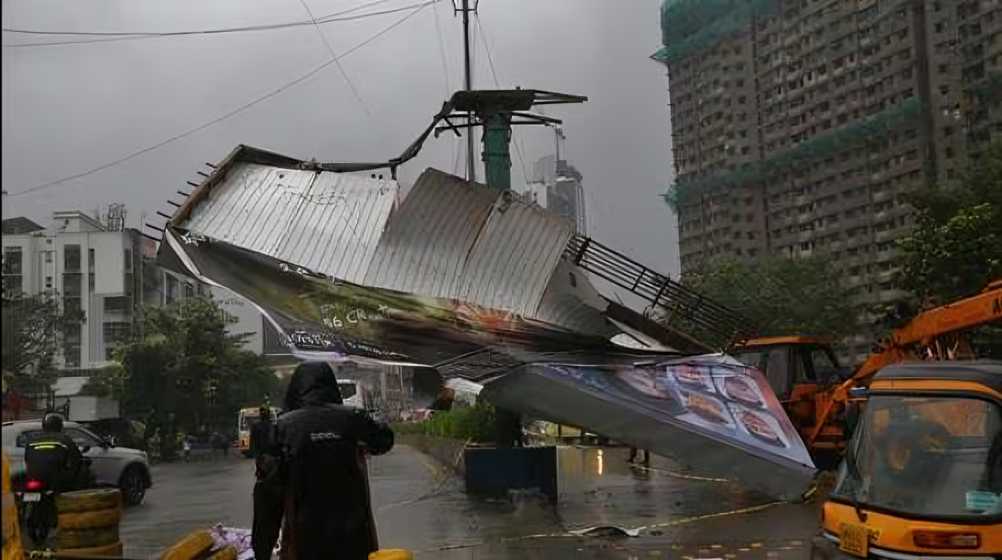

Mumbai’s annual monsoon disruptions have once again sparked debate over civic planning, infrastructure quality and governance, following a series of rain-related incidents ranging from waterlogging and open manholes to fallen trees, road cave-ins and structural failures. As the city deals with another spell of heavy rainfall, residents, activists and urban experts have called for stronger accountability and long-term planning.
Environmental activist Stalin Dayanand, Director of Vanashakti, attributed recurring civic failures to fragmented governance and inadequate coordination among agencies. “The city has been treated as a cash cow for money-making projects rather than a place where people live,” he says. He added that no single agency takes overall responsibility for Mumbai’s civic management. “Appoint a single nodal authority with the power to coordinate every major civic project in Mumbai and make that agency accountable.”
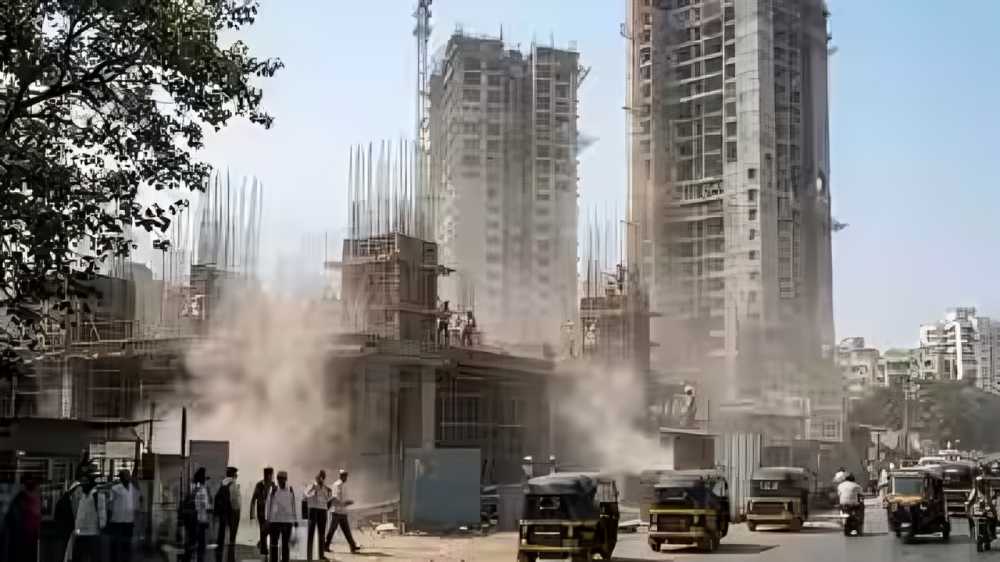
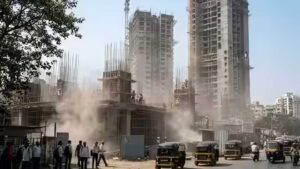
Dhaval Shah, Co-founder of the Lokhandwala Oshiwara Citizens Association, said redevelopment has outpaced supporting infrastructure. “Infrastructure is being built in pieces instead of as one integrated system,” he says. Shah also recommended extending defect liability periods for civic works to improve construction quality.
Prakash Paddikal, President of the Hillside Residents’ Welfare Association, Mulund, stressed the need to revive regular engagement between citizens and civic officials. He urged authorities to ensure that infrastructure keeps pace with redevelopment approvals.
Urich Kamath, Co-convenor of the Mumbai North Central District Forum, said complaint resolution should focus on permanent solutions rather than administrative closures. “Give Mumbai its footpaths back,” he said, calling for effective implementation of the BMC’s Pedestrian First policy.
Citizen groups also highlighted concerns over waste management, public transport and environmental planning. Mandeep Singh Makkar, Founder of the Chandivali Citizens Welfare Association, emphasised better garbage disposal to reduce flooding, while Rohit Joshi, Convenor-President of the Yeoor Environmental Society, advocated prioritising public transport, environmental conservation and practical infrastructure over large-scale projects.
The experts agreed that improved coordination, transparency and long-term planning remain essential to strengthening Mumbai’s resilience during the monsoon.
Source: Hindustan Times