
The Navi Mumbai Airport Influence Notified Area (NAINA), often referred to as Mumbai 3.0, is emerging as one of the Mumbai Metropolitan Region’s fastest-growing real estate corridors, supported by large-scale infrastructure projects, planned urban development and increasing investor interest.
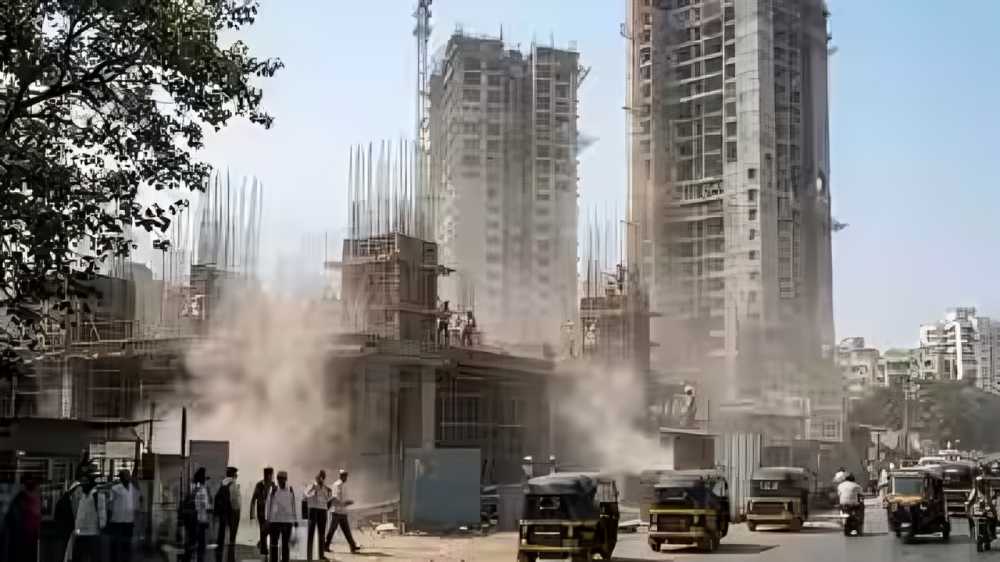
Real estate experts believe the region represents the next phase of Mumbai’s expansion, following the transformation of Navi Mumbai over the past few decades. Improved connectivity, integrated planning and growing employment opportunities are expected to drive residential and commercial development across the corridor.
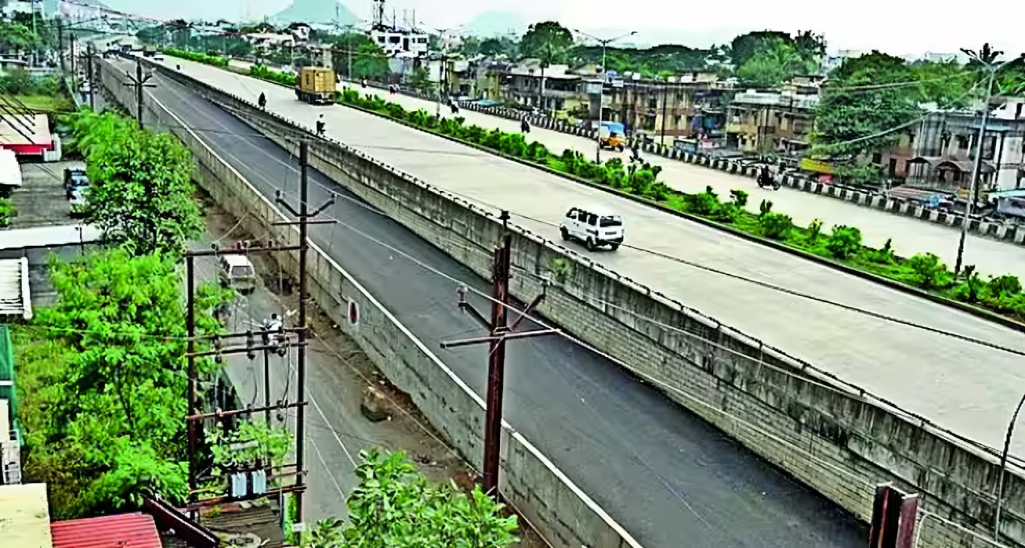
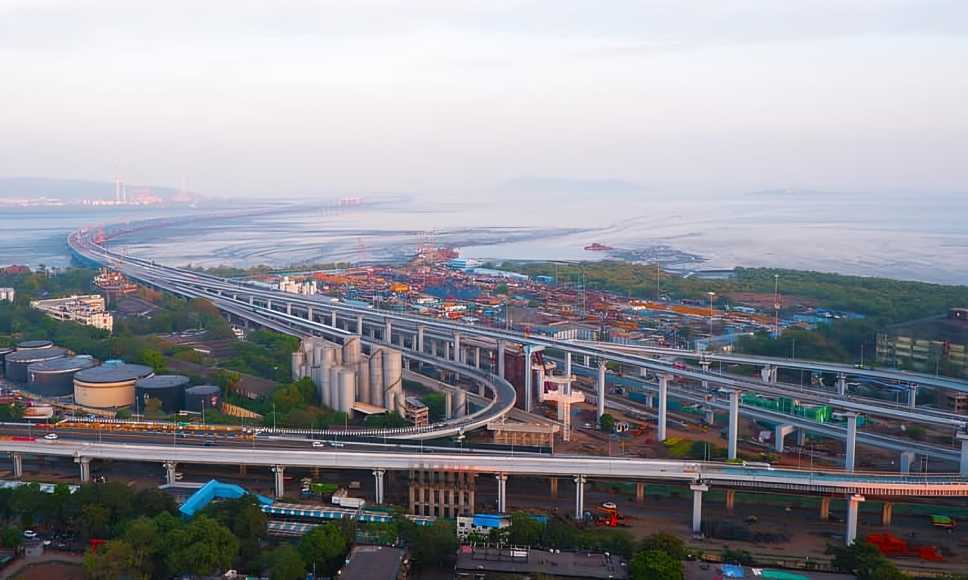
One of the biggest growth drivers is the region’s expanding transport network. Projects such as the Navi Mumbai International Airport, Atal Setu, metro corridors, new highways and upgraded rail connectivity are expected to improve accessibility and reduce travel time between Mumbai and emerging growth centres. Industry observers say improved connectivity has historically played a significant role in increasing land values and attracting investment.
Unlike older urban areas that evolved over time, NAINA has been planned as a greenfield development with wider roads, designated land-use zones, utility infrastructure and open spaces incorporated into its master plan from the outset.
The region is also expected to benefit from several upcoming infrastructure projects, including the Alibaug-Virar Multimodal Corridor, Panvel-Karjat rail line and proposed metro extensions. The Navi Mumbai International Airport, along with the planned Aerocity, is projected to generate employment across aviation, logistics, hospitality and warehousing sectors.
Apart from physical infrastructure, education and technology are expected to contribute to the area’s long-term growth. Proposed international educational institutions, along with investments in artificial intelligence, robotics and data centres, are likely to strengthen the region’s economic ecosystem.
Land parcels in and around Panvel, particularly in villages that have received development plan approvals, have witnessed growing investor attention due to improved planning frameworks and clearer land records.
Changing buyer preferences are also supporting demand. Homebuyers are increasingly looking beyond traditional city locations in search of larger homes, open spaces, privacy and wellness-oriented communities. Industry experts believe second homes are gradually evolving into year-round residences as remote working and lifestyle priorities continue to influence purchasing decisions.
With multiple infrastructure projects progressing simultaneously, market participants believe NAINA Mumbai 3.0 is well-positioned to emerge as a major residential and investment destination over the coming decade, driven by connectivity, planned urban growth and expanding economic activity.
Source: Magic Bricks