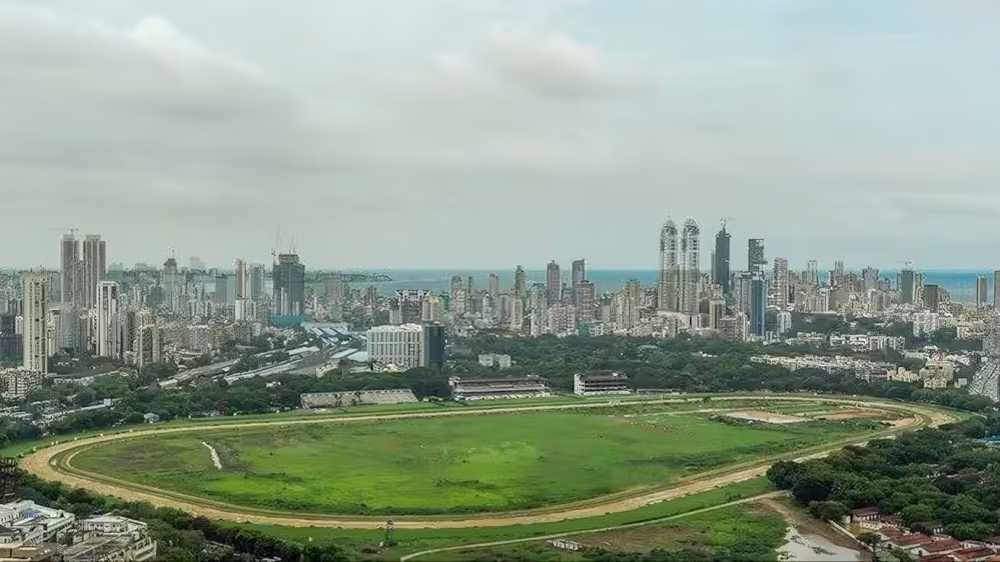

As Mumbai grapples with another intense monsoon that has exposed the city’s infrastructure vulnerabilities, concerns are growing over plans to redevelop the 225-acre Mahalaxmi Racecourse into a Central Park-inspired public space. Urban planners and architects warn that altering one of South Mumbai’s largest natural rainwater absorption zones could increase flooding risks in the future.
Unlike several northern suburbs that frequently experience prolonged waterlogging, parts of South Mumbai have historically drained more quickly during heavy rainfall. Experts attribute this, in part, to the Mahalaxmi Racecourse, a vast open tract that functions as a natural flood buffer by absorbing rainwater and reducing pressure on the city’s drainage system.
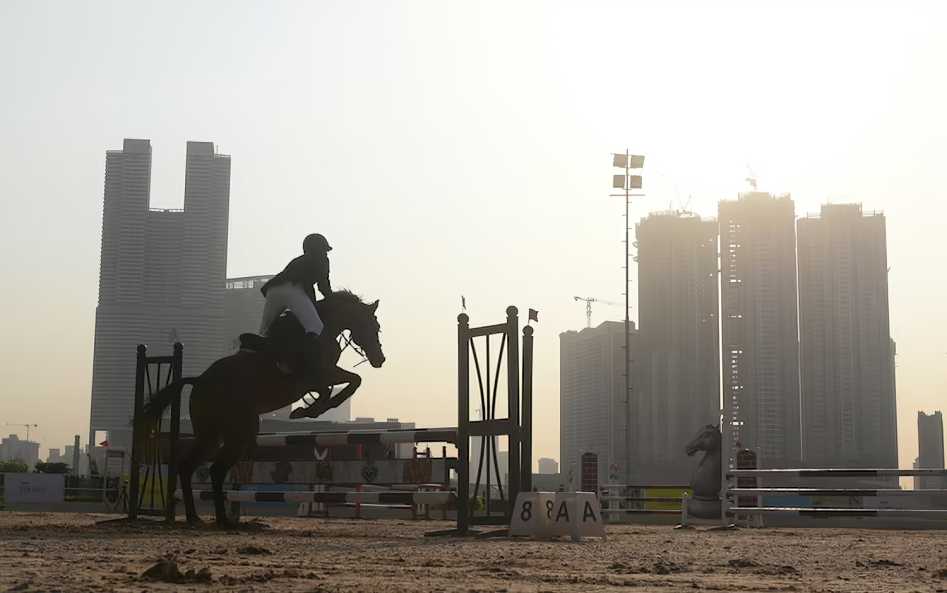
The racecourse, developed on reclaimed marshland, allows rainwater to seep into the ground, helping recharge groundwater while slowing surface runoff. According to urban planners, this natural function has become increasingly important as rapid concretisation has reduced permeable land across Mumbai.
Mumbai-based architect and urban planner Rahul Kadri has repeatedly emphasised the importance of preserving the site.
“Due to concretisation, there is no percolation of water,” the urban planner pointed out twice in conversations with India Today Digital over the last year, noting that the racecourse “actually acts as a sink for water from the monsoon and helps the area to not get flooded during the rains.”
The Brihanmumbai Municipal Corporation (BMC), along with the Maharashtra government, has proposed transforming portions of the racecourse into a large public park inspired by New York’s Central Park and London’s Hyde Park. The plan envisions integrating nearly 125 acres of the racecourse with around 170 acres reclaimed through the Mumbai Coastal Road project to create an approximately 295-acre green space.
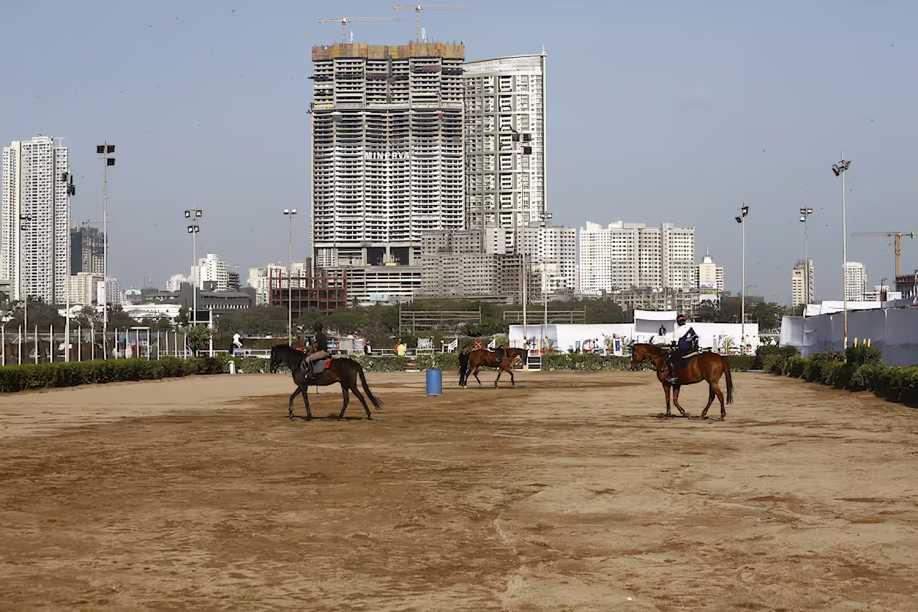
While the surface is proposed to remain largely landscaped, the redevelopment includes major underground infrastructure such as a 10 lakh sq ft sports complex, multi-level parking facilities, a convention centre, underground tunnels and other civic amenities.
Urban planning experts argue that extensive excavation and underground concrete structures could alter the site’s natural hydrology. They warn that deep foundations, piling and impermeable construction could reduce the soil’s capacity to absorb rainwater, increasing runoff into surrounding neighbourhoods during heavy rainfall.
The project has drawn opposition from more than 100 architects, planners and urban designers. Earlier this year, the Mumbai Architects Collective urged the state government and the BMC to reconsider the proposal, arguing that underground development would permanently affect one of Mumbai’s last remaining large open spaces.
The group maintained that the racecourse performs an important environmental role by supporting groundwater recharge and mitigating floods in a low-lying coastal city. “Any underground construction would permanently compromise these functions,” the collective stated in February this year.
The debate has also highlighted Mumbai’s shortage of public open spaces. According to research by the Observer Research Foundation (ORF), the city offers only about 1.24 square metres of open space per person, significantly below the 10–12 square metres recommended by the World Health Organization and national urban planning guidelines.
With extreme rainfall events becoming more frequent, experts say preserving natural flood buffers will be as important as expanding public recreational spaces. While the proposed park aims to improve public access and create a landmark green destination, critics argue that any redevelopment should carefully balance recreation with the site’s long-standing ecological and flood mitigation functions.
Source: India Today