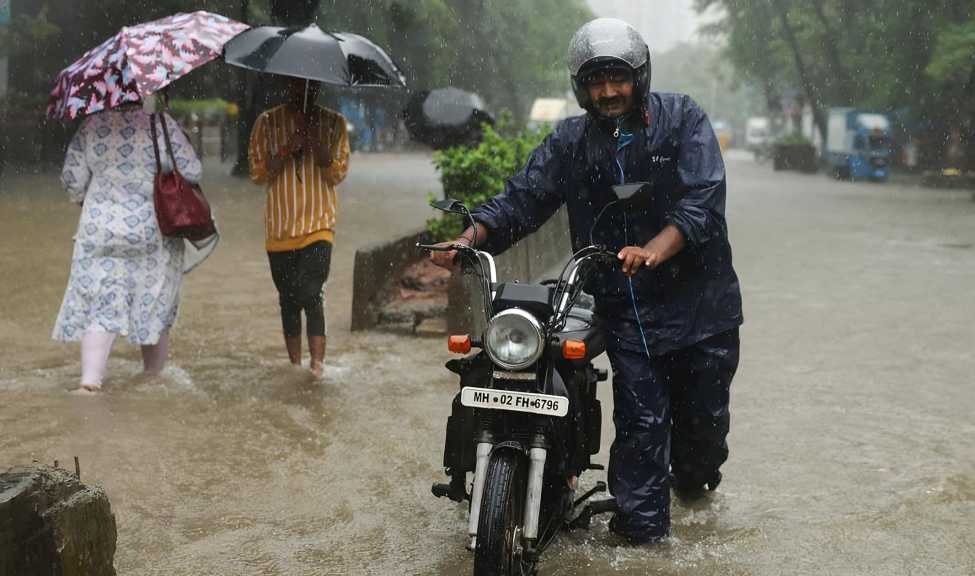

Mumbai’s recent spell of torrential rainfall has once again highlighted the growing impact of climate change on urban infrastructure and planning. The city recorded exceptionally heavy rain over the weekend, with the Colaba weather station registering 265.6 mm in 24 hours—the highest July rainfall in five decades—while the Santacruz station recorded 227.7 mm, its second-highest July rainfall in five years. The downpour claimed nine lives, with fatalities linked to house collapses and falling trees.
Amid the disruption, several voices on social media defended the city’s preparedness. One user wrote, “No infrastructure in the world is designed to handle so much rain, but life is on in Mumbai,” while another commented, “No country in the world can have a city unflooded with such huge [amount] of rain in a short spell. Mumbai does better than many despite all its faults.”
However, experts argue that such extreme rainfall events can no longer be viewed as rare occurrences. The Brihanmumbai Municipal Corporation’s Climate Action Plan, released in 2022, had already warned of a steady rise in extreme rainfall events across the city. A separate study by Azim Premji University projected that Mumbai’s monsoon rainfall could increase significantly by 2040, reinforcing concerns that climate risks are intensifying.
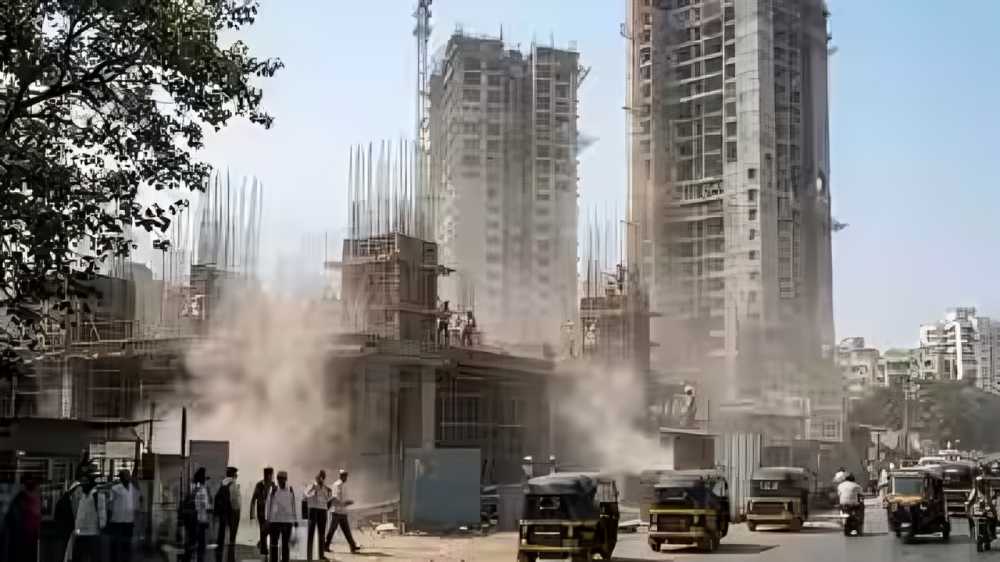
Despite these projections, recent development decisions have drawn criticism. The approval to remove thousands of mangroves for infrastructure projects and the conversion of salt pan land in Wadala for urban development have raised concerns, as both ecosystems play a vital role in absorbing floodwaters, protecting against tidal surges and storing carbon.
The city has also witnessed unusually high temperatures this summer. Mumbai recorded at least 38 days with temperatures above 35°C between March and June, while June 12 marked its warmest night in 57 years, with the minimum temperature staying above 30°C. Experts attribute this to the urban heat island effect, worsened by extensive concretisation and shrinking tree cover.
According to official data, Mumbai lost over 2,000 hectares of urban tree cover between 2016 and 2021. During the recent rains, hundreds of tree-fall incidents were reported, resulting in multiple casualties.
Urban planners and environmental experts have stressed that strengthening natural ecosystems, preserving green cover and aligning development with climate research will be essential for improving Mumbai’s resilience against increasingly frequent extreme weather events.
Source: Scroll