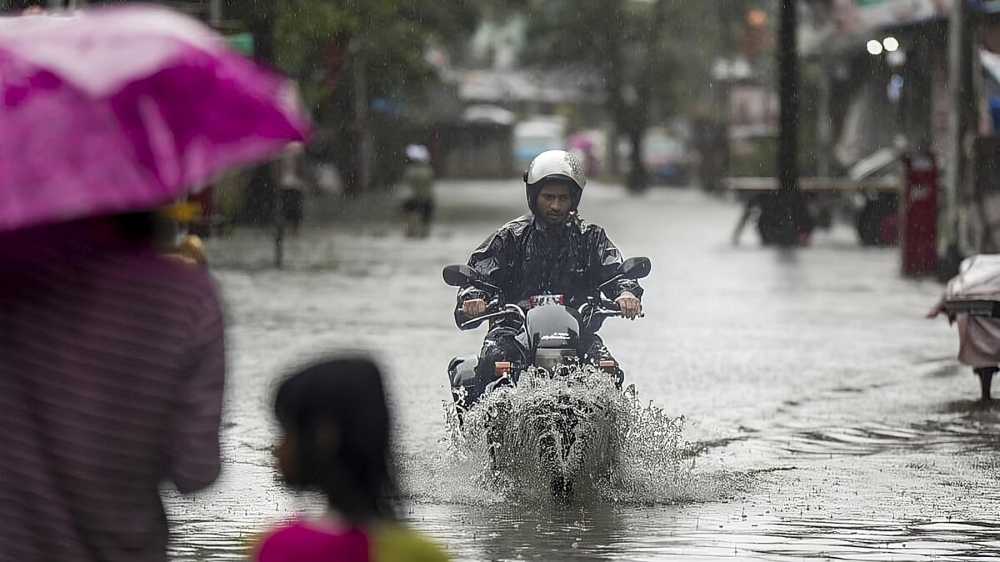

As the Mumbai Metropolitan Region (MMR) continues to grapple with heavy rainfall and recurring waterlogging, leading architect and urban planning expert Dikshu C. Kukreja has called for the restoration of blue-green infrastructure and the adoption of watershed-based planning to strengthen the city’s climate resilience.
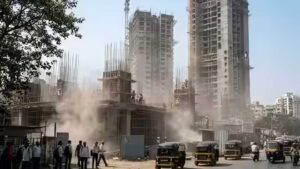
According to Kukreja, Mumbai’s flooding is no longer solely the result of inadequate drainage but reflects years of rapid urbanisation without sufficient ecological planning. “Mumbai’s annual monsoon flooding is no longer merely a drainage problem. It is the consequence of decades of urbanisation that have outpaced ecological planning. When extreme rainfall meets heavily paved surfaces, encroached floodplains, reclaimed wetlands and ageing storm water infrastructure, flooding becomes inevitable,” he said.
He noted that the city still depends largely on a drainage network designed for rainfall levels much lower than those now being experienced due to climate change. Although initiatives such as the Brihanmumbai Storm Water Drain (BRIMSTOWAD) upgrades have enhanced drainage capacity in some areas, he stressed that engineering solutions alone are insufficient if natural drainage systems continue to disappear.
Advocating a different approach, Kukreja said, “From an urban planning perspective, Mumbai requires a shift from conveying stormwater away as quickly as possible to managing water where it falls. This means treating rainfall as part of the city’s hydrological system rather than as waste to be evacuated.” He also highlighted the importance of protecting rivers, mangroves, wetlands, creeks and floodplains, describing them as natural sponges that help absorb excess runoff.
Kukreja recommended adopting sponge-city concepts, including permeable pavements, rain gardens, green roofs and detention parks, while urging authorities to design infrastructure based on future climate projections rather than historical rainfall data. He also called for flood-risk mapping, watershed-level planning, and the integration of technologies such as AI-enabled flood forecasting, digital twins and sensor-based drainage management.
Emphasising a holistic strategy, Kukreja concluded, “It is about redesigning cities where ecology, infrastructure and urban development function as one integrated system. Mumbai’s resilience will depend less on how quickly it removes water and more on how intelligently it accommodates it.”
Source: Deccan Herald