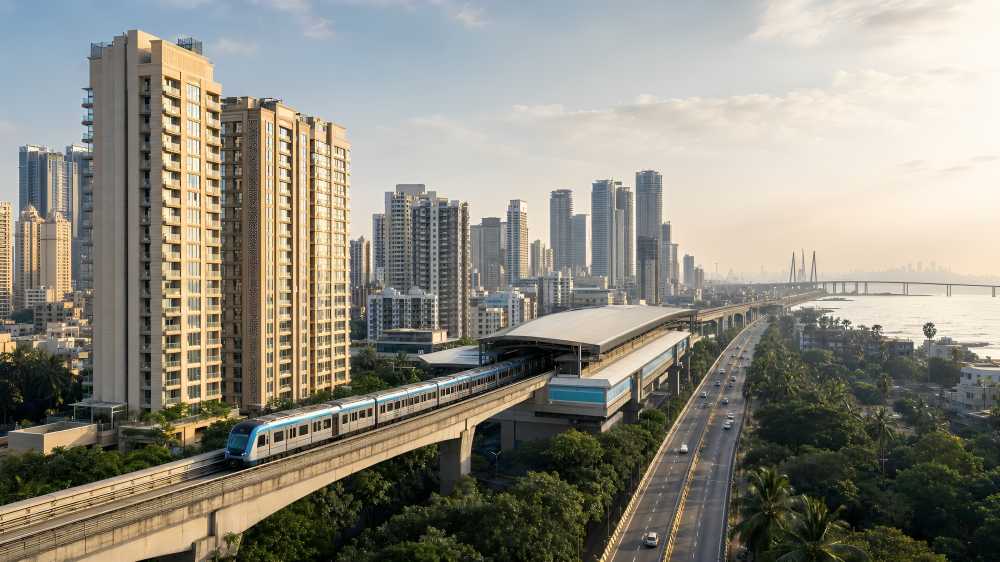

Mumbai’s residential property market is undergoing a significant transformation, with connectivity emerging as one of the most influential factors shaping home purchase decisions. While buyers continue to consider aspects such as location, developer reputation, carpet area and lifestyle amenities, seamless access to transport infrastructure is increasingly becoming a key determinant of long-term value.
According to real estate experts, homebuyers are no longer evaluating properties solely based on the locality. Instead, they are placing greater emphasis on how much time they can save through better connectivity to workplaces, schools, airports, hospitals, and other essential destinations.
Properties located close to metro stations, major highways, airports and commercial hubs are witnessing increased interest as they offer convenience, improved accessibility and stronger prospects for future appreciation.
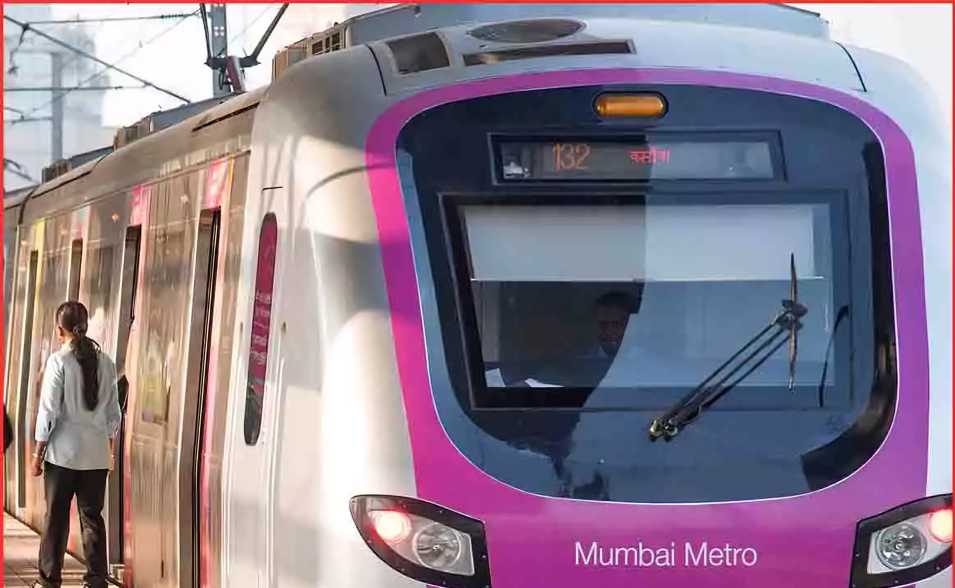
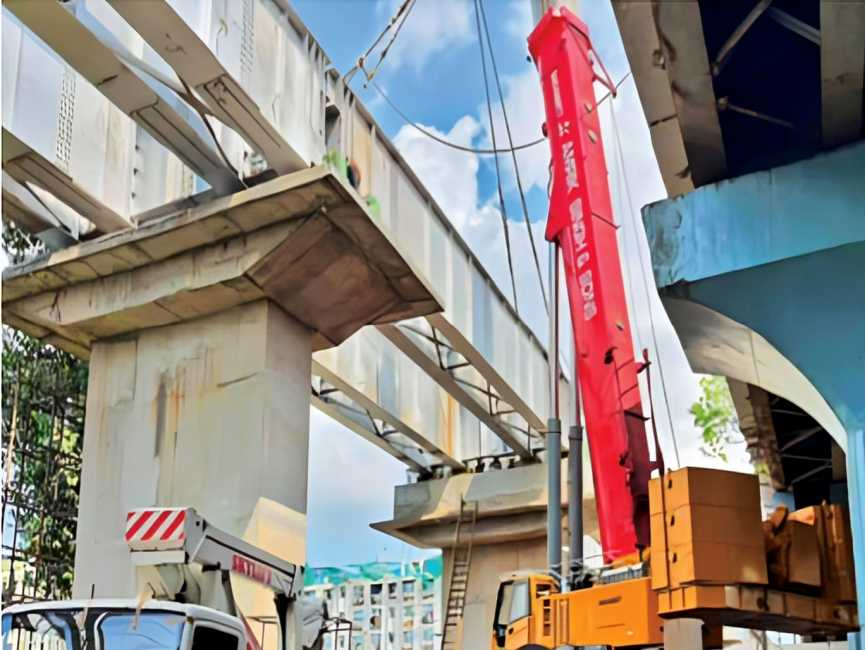
Mumbai’s rapidly expanding metro network has played a crucial role in this shift. Operational corridors such as Metro Lines 2A, 3 and 7 have significantly improved travel across the city, while upcoming routes including Metro Lines 2B, 4, 5, 6, 7A and 9 are expected to further reshape commuting patterns and unlock new residential micro-markets.
As a result, the traditional definition of a prime location is changing. Well-connected emerging neighbourhoods are increasingly competing with established premium addresses by offering faster access to employment centres and social infrastructure.
Infrastructure projects such as the Western Express Highway, Eastern Express Highway, Bandra-Kurla Complex (BKC) access roads, Mumbai Coastal Road, Atal Setu and the Navi Mumbai International Airport influence zones are also driving buyer interest across the Mumbai Metropolitan Region.
Reduced travel time has become one of the biggest advantages of infrastructure-led development. Saving even 30 to 60 minutes on a daily commute can improve work-life balance, reduce travel-related stress and enhance overall quality of life.
However, experts advise buyers not to rely solely on proximity to upcoming infrastructure. Factors such as the developer’s credibility, statutory approvals, actual walking distance to transit facilities, road connectivity, maintenance standards, parking availability, resale potential and rental demand should also be evaluated before making a purchase.
With transport infrastructure expected to shape Mumbai’s future growth, connectivity is no longer viewed as an added advantage. Instead, it is becoming one of the primary considerations influencing where people choose to buy a home, making infrastructure-driven planning central to the city’s next phase of residential development.
Source: Mumbai Property Exchange